The research highlights innovative molecular techniques used to uncover ancient Egyptian paint recipes, revealing a complex blend of traditional materials and unexpected organic compounds. Here’s a summary:
Ancient Egyptian Paints and Workshop Ingredients
-
Composition of Egyptian Paints:
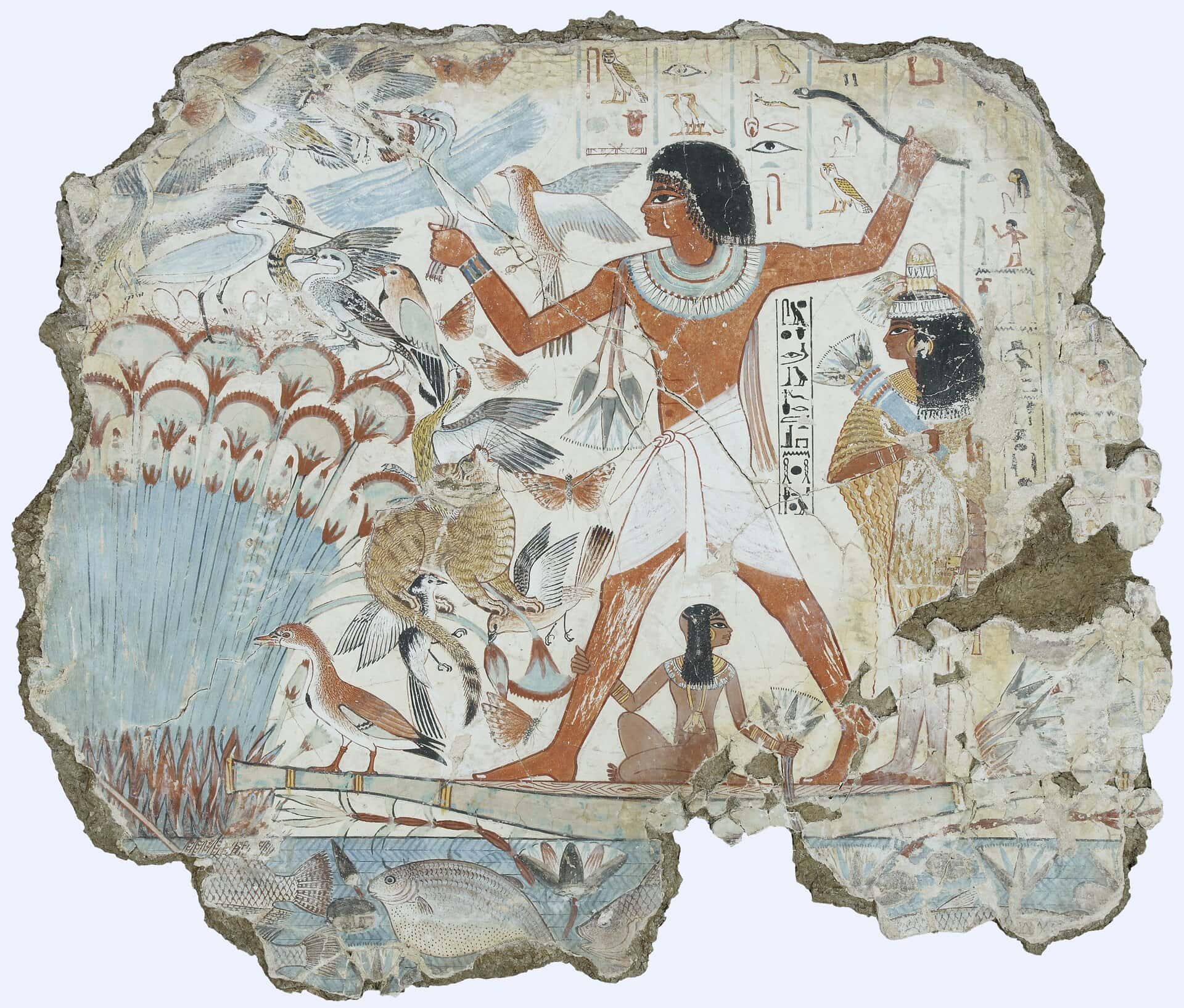
- Egyptian artists used earthly components such as boiled animal tissues, eggs, grains, and seeds to create durable paints.
- A recent study identified the use of glues from various animals alongside sesame and moringa, highlighting a connection to Ptah, the god of craftsmanship.
-
Methodology:
- Researchers analyzed 28 microsamples from 14 painted artifacts, employing mass spectrometry to break down proteins into identifiable peptides, essentially acting as biological fingerprints.
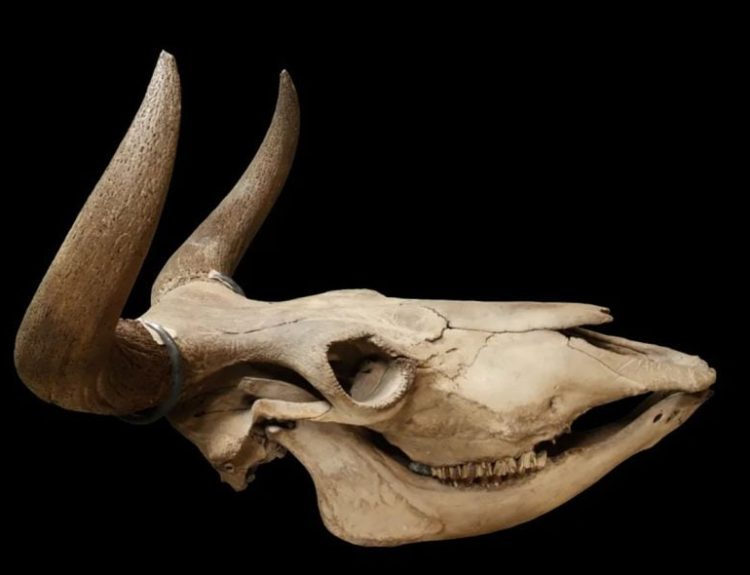
- The study demonstrated various animal sources, including cattle, horses, donkeys, sheep, and even some antelopes.
-
Unexpected Findings:
- Sesame and moringa proteins were detected in ancient artifacts, marking the first molecular evidence of their use.
- Rather than serving purely as paint binders, these plant materials might have been residues from the oil extraction process.
-
Cultural Significance:
- Moringa has deep symbolic connections to the god Ptah, prompting researchers to consider its presence in art as potentially meaningful or protective.
- The findings suggest workshops were integral to a larger economy, utilizing materials that had diverse applications beyond art.
-
Future Research Directions:
- Further testing is needed to explore the systematic use of moringa in specific contexts within Egyptian art.
- The ongoing studies offer insights into the cultural and practical interplay of ancient Egyptian craftsmanship.
This research bridges science and history, providing a fresh lens through which to view the artistry and material culture of ancient Egypt.