The United States has recently made strides in enhancing its space monitoring capabilities through a collaboration among Lawrence Livermore National Laboratory (LLNL), Rocket Lab, and the U.S. Space Force. This initiative aims to improve the speed and responsiveness of detecting activities in space, particularly in light of the growing complexity of the orbital environment due to an increase in the number of satellites.
### Mission Successfully Demonstrated a New Capability
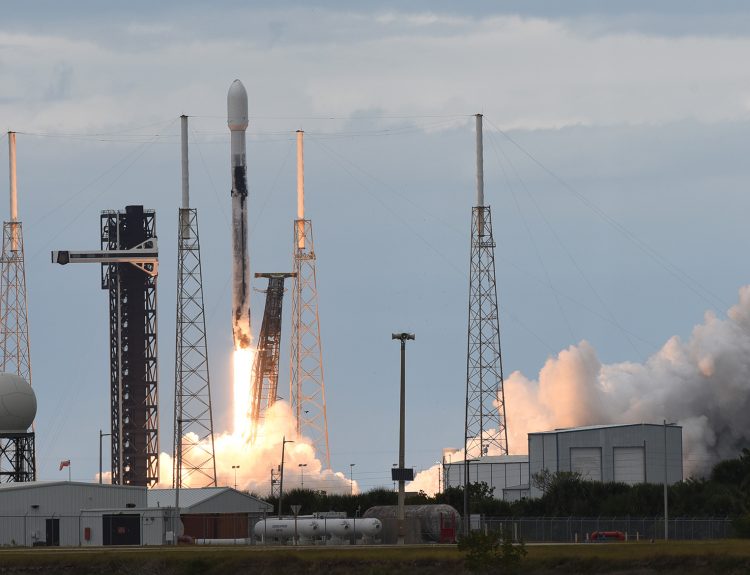
The recent demonstration was part of the VICTUS HAZE mission, which evaluates the U.S. ability to swiftly respond to potential space threats. This mission successfully showcased a new capability for Space Domain Awareness (SDA), which is crucial for detecting and tracking an increasing number of objects in orbit.
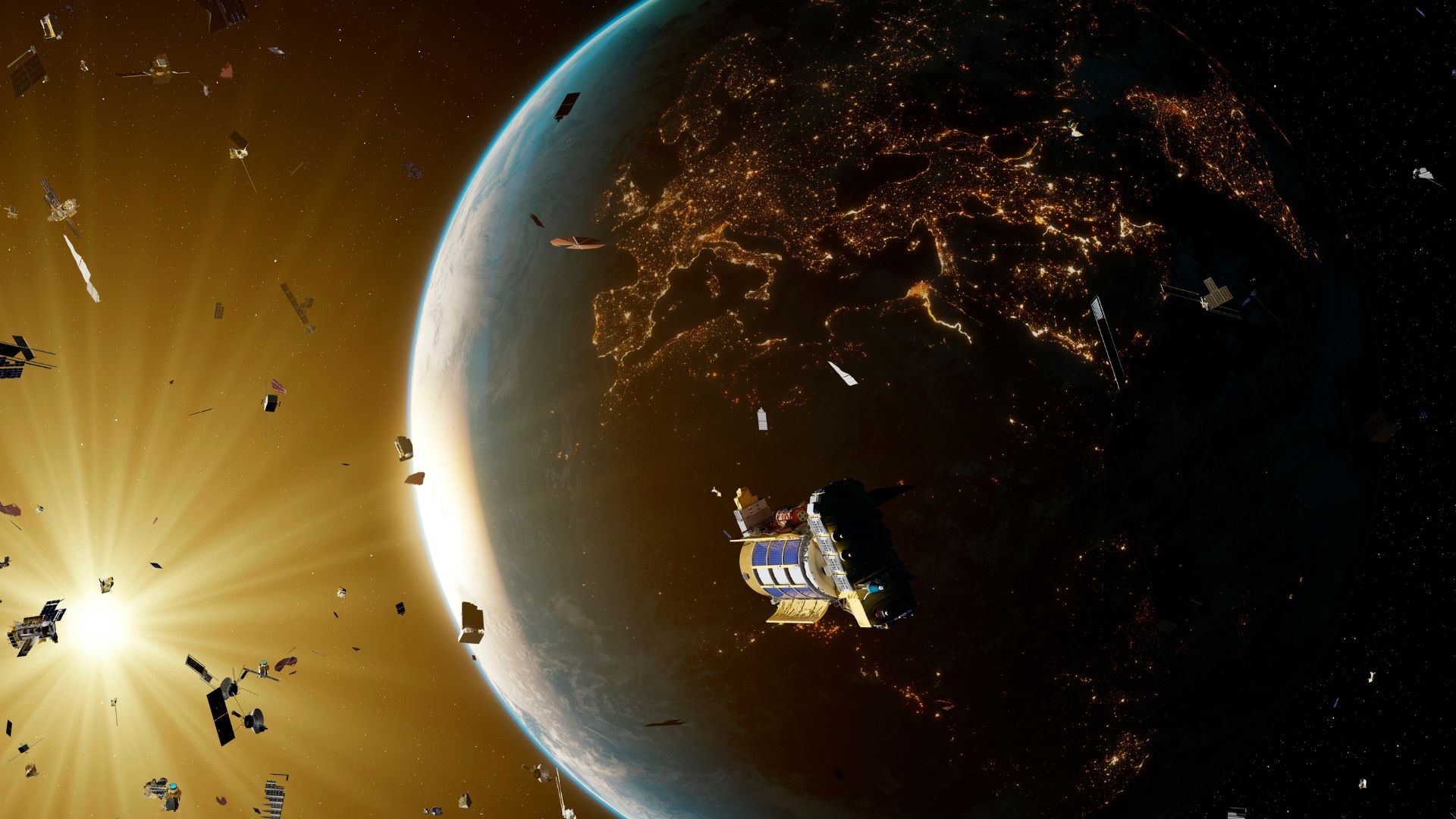
With more objects being launched into space than ever before, understanding their behavior is vital. Spacecraft displaying unexpected dynamics, like changing orbits or approaching other satellites, necessitate closer observation.
### Traditional Space-Monitoring Methods Can Provide Limited Information
While traditional monitoring techniques can gather data from the ground, they often lack the detailed insights that an inspector spacecraft could provide by approaching and imaging other objects. LLNL’s Ben Bahney emphasized the value of such innovations in the context of tactically responsive space operations.
The mission reflects a broader initiative by the U.S. Space Force to integrate commercial space advancements to enhance its security responses. Focused on speed and flexibility, the emerging threats in space require a rethinking of launch strategies and operational execution.
LLNL’s Space Program is uniquely equipped for this shift with advanced optical systems designed for quick deployment. The VICTUS HAZE optical payload, utilizing monolithic telescopes for mechanical stability, proved essential for this mission.
### Advancements and Real-Time Applications
Within 24 hours post-launch, the team successfully commissioned the optical payload, demonstrating its capability in facilitating rapid decision-making in space operations. The optical payload effectively showcased angles-only navigation utilizing real-time images and specialized algorithms, enabling a close loop between the payload and the spacecraft.
This mission not only tested the readiness of the launch but also highlighted the importance of quick data gathering and assessment in contemporary space operations.