The article discusses the importance of Earth observation through satellites, emphasizing the growing accessibility of satellite data and its implications for privacy, security, and trust. It references a report from the Organization for Economic Co-operation and Development (OECD), highlighting advancements in technology and the risks they pose.
Key points include:
-
Increased Accessibility: Advances in optical systems, cloud computing, and artificial intelligence (AI) have made satellite data more accessible.
-
Risks: The dual-use nature of satellite technology means that tools designed for beneficial purposes, like tracking illegal fishing, may also be used for military surveillance.
-
New Concerns: The growing prevalence of misinformation related to satellite data raises questions about trust and accuracy.
-
Sustainability: Countries aim for cost efficiency in Earth observation systems while maintaining sovereignty, often needing international cooperation for resource-sharing.
-
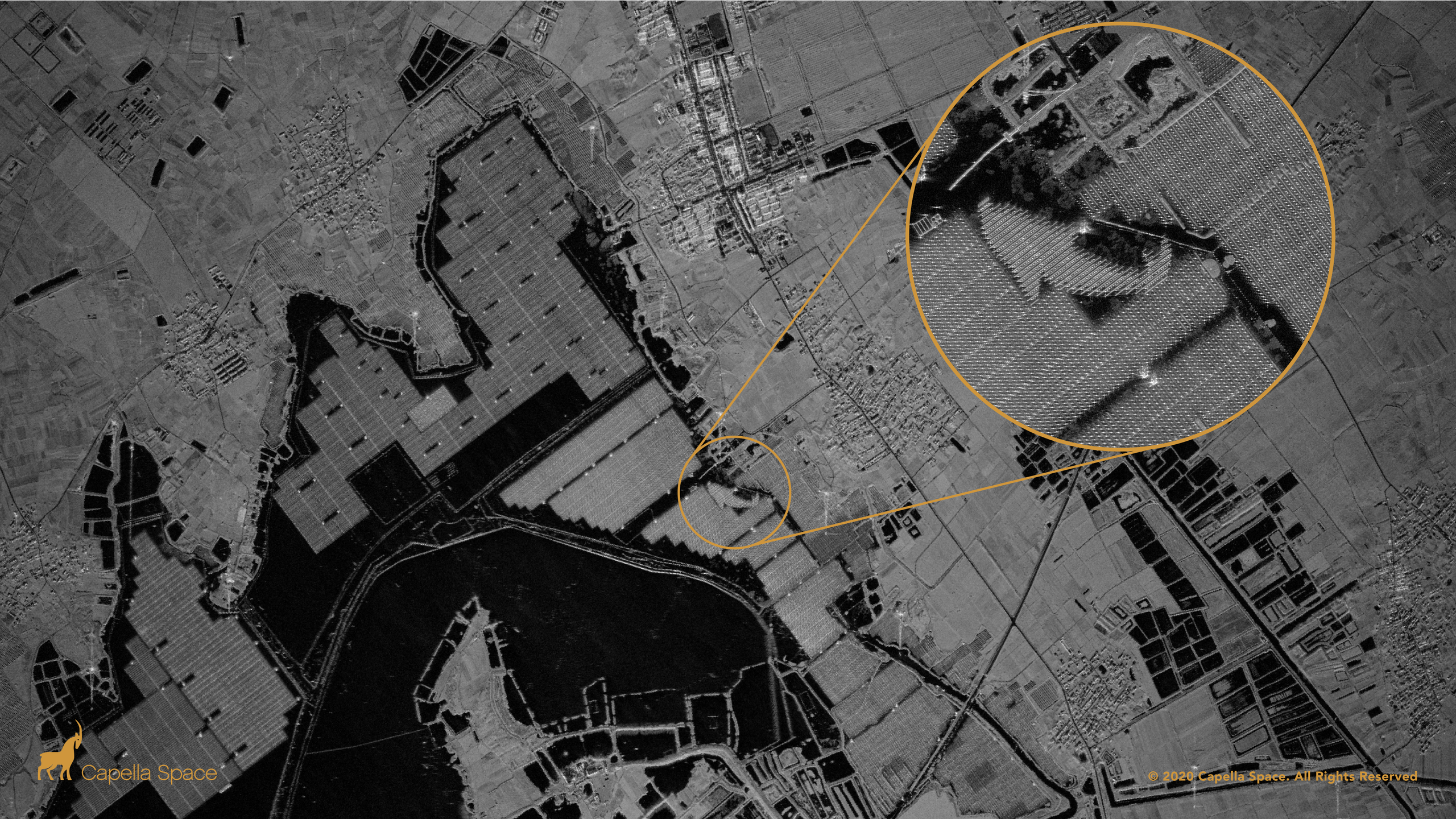
Technological Advances: A shift towards small, specialized satellites, particularly those using synthetic aperture radar (SAR), allows for imaging under various environmental conditions.
-
AI’s Role: AI assists in rapidly analyzing vast amounts of data from SAR satellites, which is essential for timely decision-making during emergencies.
-
Hybrid Models: The integration of commercial and military satellite capacities is shaping a hybrid model for Earth observation, enhancing responsiveness and operational effectiveness.
-
Education and Expertise: Training in remote sensing is increasingly important, focusing on critical thinking, data analysis, and the understanding of sensor limitations.
The article ultimately emphasizes the balance that must be struck between leveraging technological advancements for societal benefits while addressing the accompanying ethical and security challenges.