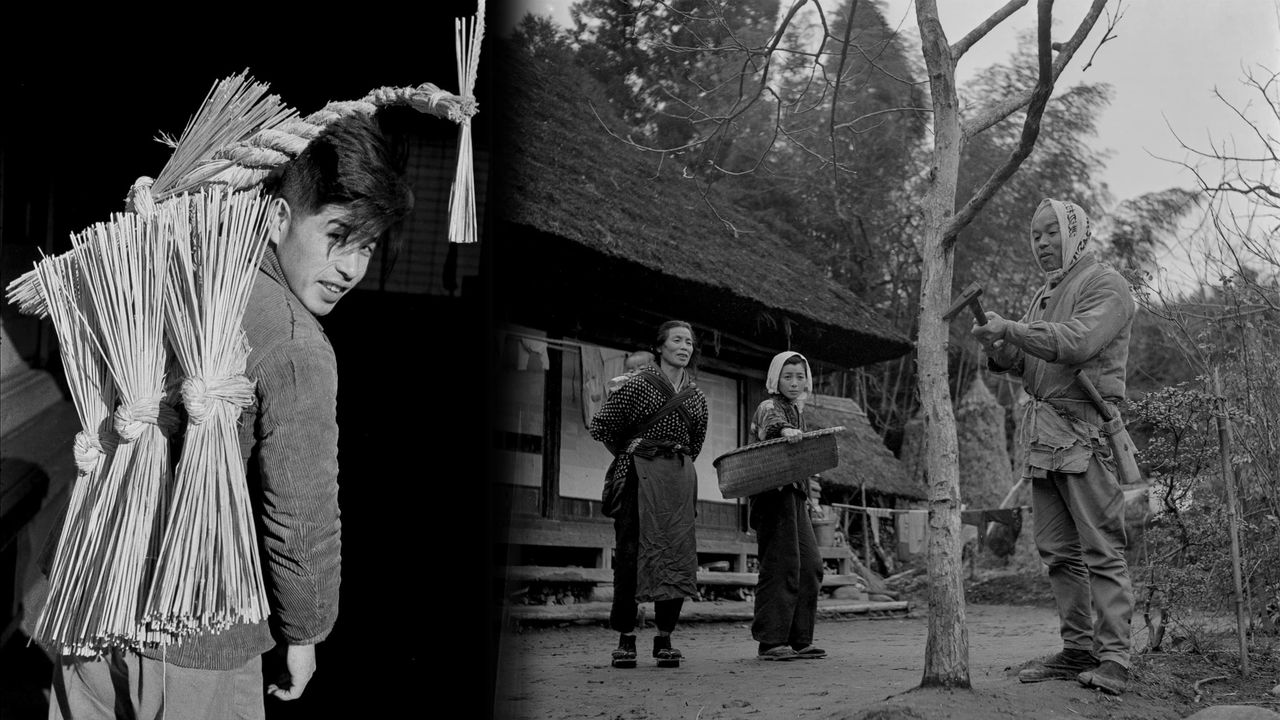
The work of Haga Hideo, a prominent folk photographer, resonates deeply within the cultural fabric of Fukushima Prefecture. In the 1950s, he captured the essence of traditional rituals, such as those honoring the rice deity, tanokami. His photographs serve as both historical documentation and an inspiring call to revive these fading customs.
Worshipping Tanokami: The Deity of Abundant Harvests
Before his photography career, Haga worked as a translator, but his journey into folklore began in Fukushima, where he witnessed unique New Year rituals. The tanokami represents an invisible spirit that brings prosperity, guiding rice cultivation rituals steeped in centuries-old beliefs. Haga’s lens turned towards these deity-welcoming ceremonies, highlighting the rich tapestry of spiritual culture and its intricate customs.
Passing On the Traditions of Iwaki
Haga’s poignant words in his foreword to Tanokami: Nihon no inasaku girei emphasize the connection between rice cultivation and Japanese customs. However, modernization threatens these traditions. Haga recognized the urgency to document these rites as they were becoming scarce. The Iwaki City Museum of Folklore and Traditional Housing leads efforts to preserve these dwindling traditions through exhibits and educational programs.
In 2026, Haga’s son, Haga Hinata, donated a vast collection of his father’s photographs to the Iwaki museum, enriching the local history curriculum and sparking renewed interest in folk traditions. The photos, documenting customs long forgotten, were used for educational purposes, fostering community pride in their cultural heritage.
Rich Folklore Traditions Live On
Haga also contributed significantly to the Fukushima Museum, where his extensive collection of photographs helps illuminate the rituals and practices of the region. Curators express that such visuals are essential in understanding the cultural context of these traditions. Through Haga’s work, local festivals regain their visibility and relevance, highlighting the importance of folklore in contemporary society.
His legacy encourages communities to recognize their heritage as an invaluable resource for connection and identity, urging future generations to take pride in and practice their traditional customs.