The Role of Ships in Antarctic Scientific Research
The Australian Antarctic Research Conference recently held in Hobart emphasized the significance of ships in gathering vital scientific data from Antarctica and the Southern Ocean. This year, the conference brought together 400 researchers from around the world to discuss findings and advancements in Antarctic science.
Key Contributions from Research Vessels
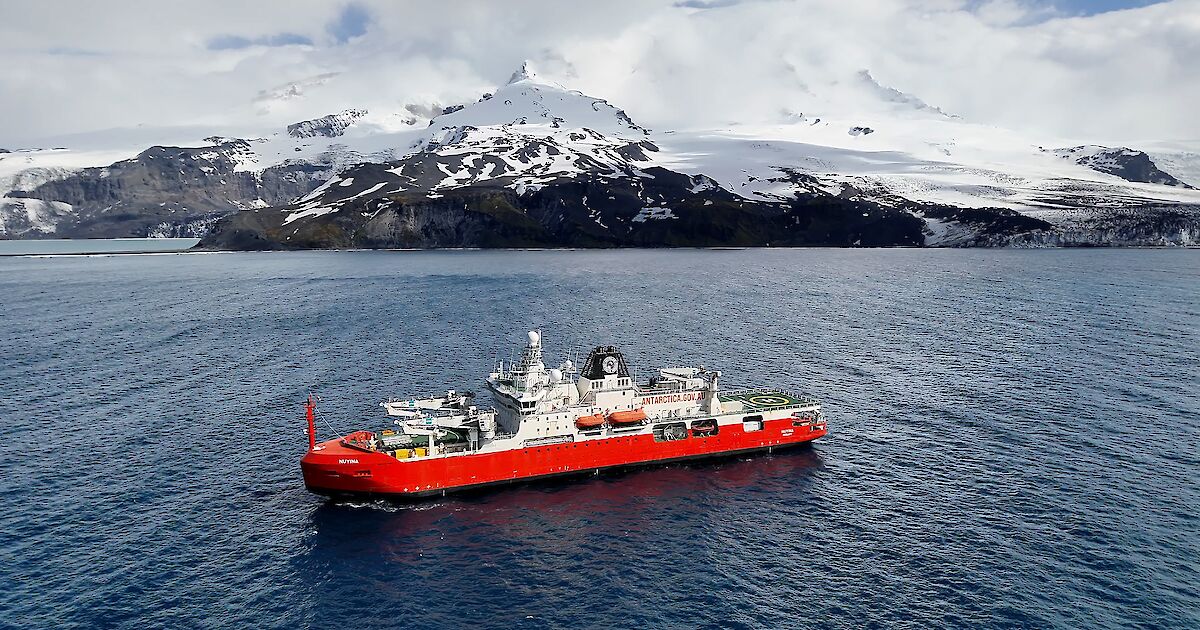
Dr. Patricia Miloslavich, who heads the Antarctic Monitoring Program at the Australian Antarctic Division, shared that between 1990 and 2026, several ships, including the Aurora Australis and RSV Nuyina, completed 379 voyages, covering nearly 2.5 million kilometers and collecting 137 million measurements. Data collected by the Aurora Australis from 1991 to 2020 has shown a close correlation with global climate data, with a noticeable increase in temperatures over the years.
- Air Temperature Trends: Over 30 years, air temperatures around 50°S have risen, indicating climate change.
- Sea Surface Temperatures: Significant increases were mainly observed north of 50°S, reflecting a delayed response of ocean temperatures around Antarctica to human-induced climate change.
Continuous Plankton Recorder (CPR)
An additional monitoring method, the Continuous Plankton Recorder (CPR), has been towed by ships since 1931 and implemented in the Southern Ocean starting in 1991. Dr. Miloslavich highlighted how CPR data indicates:
- A shift towards smaller zooplankton.
- Some species moving further south.
- A decline in pteropods in specific areas.
Advancements in Ship Design
Improvements in ship design, such as the wet well feature on the RSV Nuyina, enhance data collection capabilities. Unlike the Aurora Australis, which used nets that could harm delicate marine specimens, the new design allows scientists to study organisms like the pteropod clio pyramidata intact.
Future Research Initiatives
Dr. Miloslavich outlined upcoming campaigns as part of the Antarctica InSync program, aimed at coordinating observations across ice, ocean, atmosphere, and ecosystems from 2027-2029. This program, supported by major scientific organizations, will gather comprehensive evidence to address climate change and biodiversity loss.
Upcoming campaigns include:
- Million Year Ice Core (MYIC) Project
- KaKE (krill and krill ecosystems) Campaign (2027/28)
- Marginal Ice Zone (MIZ) Voyage (2028/29)
- ECCO Voyage (2029/30)
These initiatives will support biodiversity assessments and help establish Marine Protected Areas (MPAs) in East Antarctica.
Conclusion
The insights shared at the conference underlined Australia’s leadership in Antarctic research, showcasing the crucial role of maritime technology and long-term monitoring programs in understanding and responding to global environmental changes.
The Australian Antarctic Research Conference is expected to reconvene in 2028, continuing the dialogue on Antarctic and Southern Ocean science.