The Unexpected Predator-Prey Dynamics of Pleasant Island
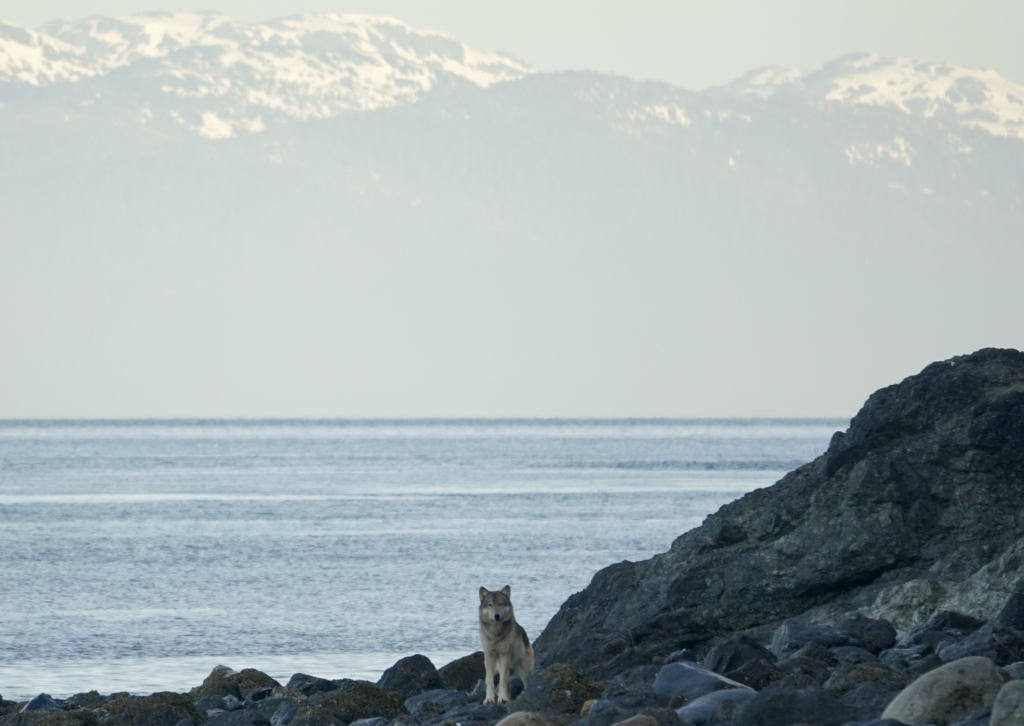
Pleasant Island in Alaska, despite its name, is a frigid, uninhabited area spanning 20 square miles. Home to a rich ecosystem, it was notably affected when wolves colonized the island in 2013, sparking a natural experiment into predator-prey dynamics.
The Impact of Wolves on Deer Populations
Initially, the introduction of wolves led to the anticipated decline in the deer population, which fell from approximately 120-200 individuals. Sustained predation since 2013 was found to be the primary cause of this sharp decline. However, what researchers did not expect was that instead of leaving the isolated island, the wolves would adapt their diet to primarily include sea otters.
Unique Predator Interactions
Interestingly, wolves, usually considered apex terrestrial predators, began preying on sea otters, which are marine apex predators. Taal Levi, an associate professor at Oregon State, highlighted this unusual food dynamic, describing the surprising scenario of land predators hunting marine ones.
Through tracking and analysis of wolf diets over the years, researchers noted a significant shift: in 2015, deer constituted 75% of the wolves’ diet, but by 2017, sea otters made up 57% of their intake while deer dropped to only 7%. This pattern persisted through 2020.
Shoreline Behavior of Wolves
Research indicated that wolves would patrol Pleasant Island’s shorelines, investigating rocky areas, likely ambushing otters during their time on land or in shallow waters. This behavior reflects a level of adaptability not commonly observed in terrestrial predators.
Consequences for Sea Otters
With sea otters often hauling out on land for energy conservation, they become particularly vulnerable to wolf predation. The ongoing interaction between these predators has highlighted a novel aspect of ecosystem dynamics.
Contaminant Exposure and Health Implications
However, this dietary shift comes with unexpected challenges. A 2025 study revealed that wolves heavily reliant on marine prey, such as sea otters, experienced significantly elevated mercury levels—a dire consequence of the marine food chain. Pleasant Island wolves showed mercury concentrations nearly eight times higher than average Arctic wolf levels, raising concerns about their long-term health.
Broader Ecosystem Implications
The findings illustrate an intricate web of ecosystem interactions where wolf populations do not merely depend on traditional prey like deer, allowing them to persist even as herbivore populations decline. This has broader ecological implications, including potential impacts on vegetation and other species dependent on those environments.
Researchers continue to study these dynamics, noting that the behavior observed on Pleasant Island is not isolated; instances of wolves consuming sea otters have been documented elsewhere along Alaska’s coast.
Future Research Directions
Ongoing research aims to delve deeper into these interactions and their ecological consequences. The study emphasizes the necessity of continuous investigation to understand how terrestrial predators adapting marine diets may affect wildlife and ecosystems as whole, particularly with the anticipated increase in sea otter populations in the future.