The recent ruling by Chief Judge Brenda Sannes in favor of the Trump Justice Department against New York’s Climate Change Superfund Act marks a significant legal victory regarding state-level climate policies and their implications for federal law.
New York’s law, which sought to compel fossil fuel companies to contribute to a fund based on their greenhouse gas emissions, was deemed an overreach as it imposed a liability regime on emissions governed by federal law. This ruling echoes a previous decision in City of New York v. Chevron Corp., reinforcing the idea that such legal actions are preempted at the federal level.
The potential upcoming case, Suncor Energy v. Boulder County, will test these waters further, as Boulder seeks damages from energy companies based on alleged local climate harms. Critics argue the basis of Boulder’s claims is legally fragile and is essentially an attempt to regulate emissions from afar through local tort claims, which could set a troubling precedent.
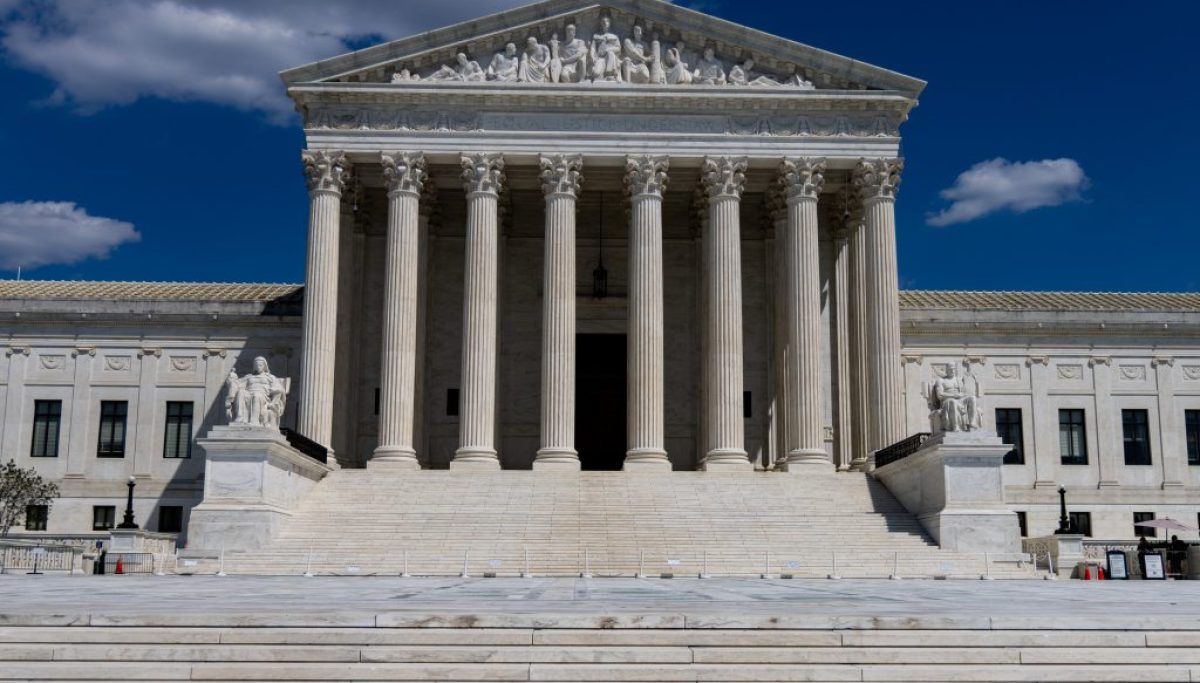
As the Supreme Court prepares to hear this case, the implications are vast: allowing states to extend their climate policies through litigation could lead to a chaotic patchwork of regulations. This would ultimately affect consumer prices, as companies may raise costs to cover these regulatory burdens.
In conclusion, the Supreme Court’s decision could reaffirm the necessity for a cohesive federal climate policy, preventing local entities from economically destabilizing energy producers through multitude of lawsuits driven by varying state regulations.