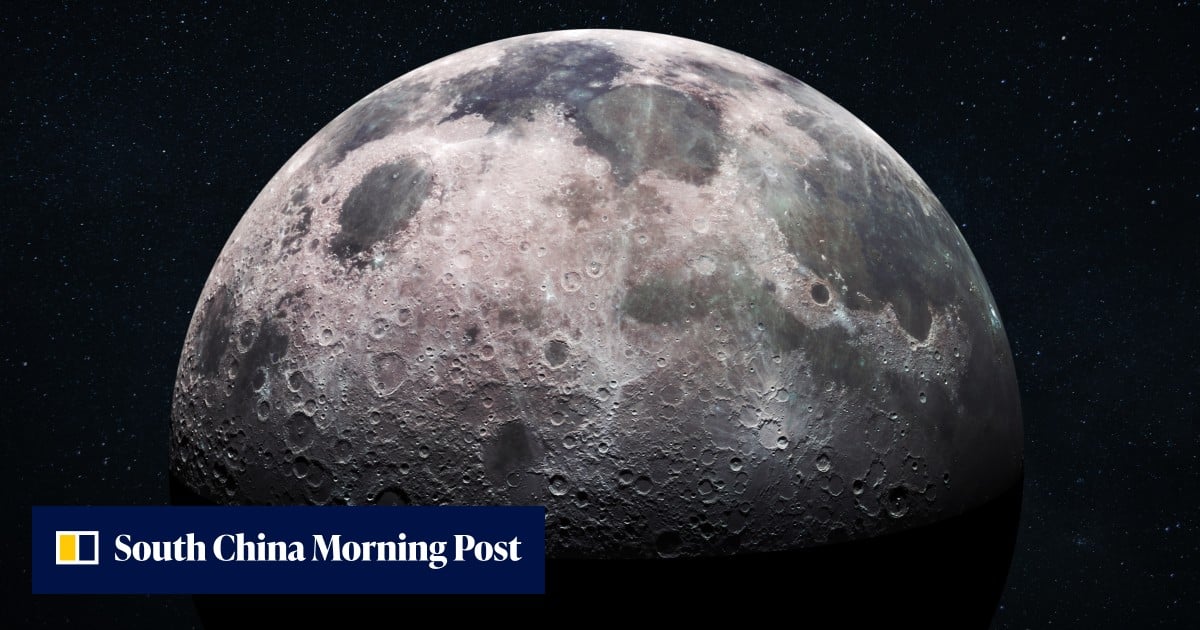
In a groundbreaking study, Chinese aerospace researchers from Northwestern Polytechnical University in Xi’an examined the potential for conflict extending into cislunar space, the region between Earth and the moon. They suggest that rival spacecraft could maneuver within the moon’s complex gravitational environment, making their movements difficult to predict. This allows for strategic advantages, such as hiding near important travel routes, known as “choke points,” where they could intercept adversaries and influence their movements.
The researchers propose that by positioning spacecraft to block or reroute competitors, a country could impose strategic delays or increase costs without direct confrontation. Lead author Dang Zhaohui emphasizes that the focus is on controlling access to space and deterring adversaries, rather than individual spacecraft or routes.
Cislunar space allows for intricate trajectories influenced by both Earth’s and the moon’s gravity, offering tactical opportunities distinct from those available in closer orbits.