Mercury’s Mysteries Unveiled: The BepiColombo Mission
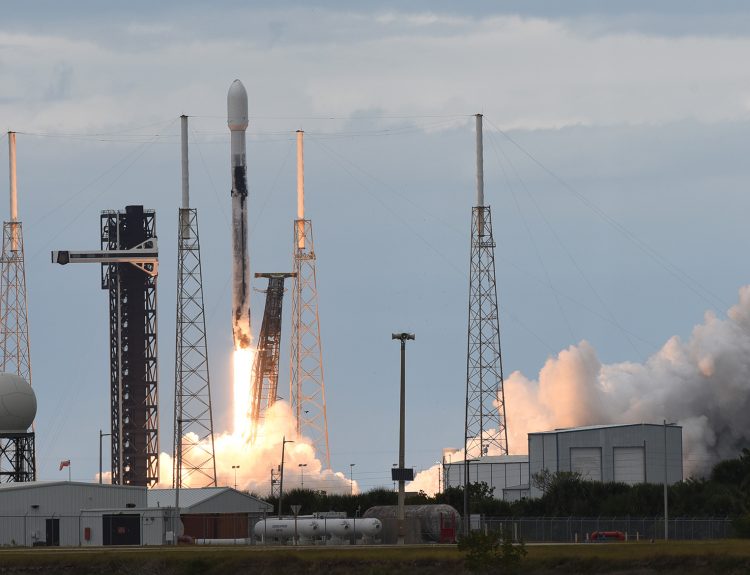
Mercury, the smallest and least-explored planet in our solar system, holds secrets that researchers are eager to unravel. Thanks to the collaborative BepiColombo mission by the European Space Agency (ESA) and the Japan Aerospace Exploration Agency (JAXA), two spacecraft are on their way to sift through Mercury’s enigmas. Launched in October 2018, BepiColombo has been traversing the inner solar system and is set to conduct critical maneuvers, marking the beginning of its scientific journey.
By April 2027, the mission aims for its two probes to gather extensive data on Mercury, potentially shedding light on not just this enigmatic planet, but also the solar system as a whole. Planetary geologist Rachel Klima from Johns Hopkins University expressed excitement regarding the anticipated insights into Mercury, describing it as “weird and beautiful.”
A Planet of Many Secrets
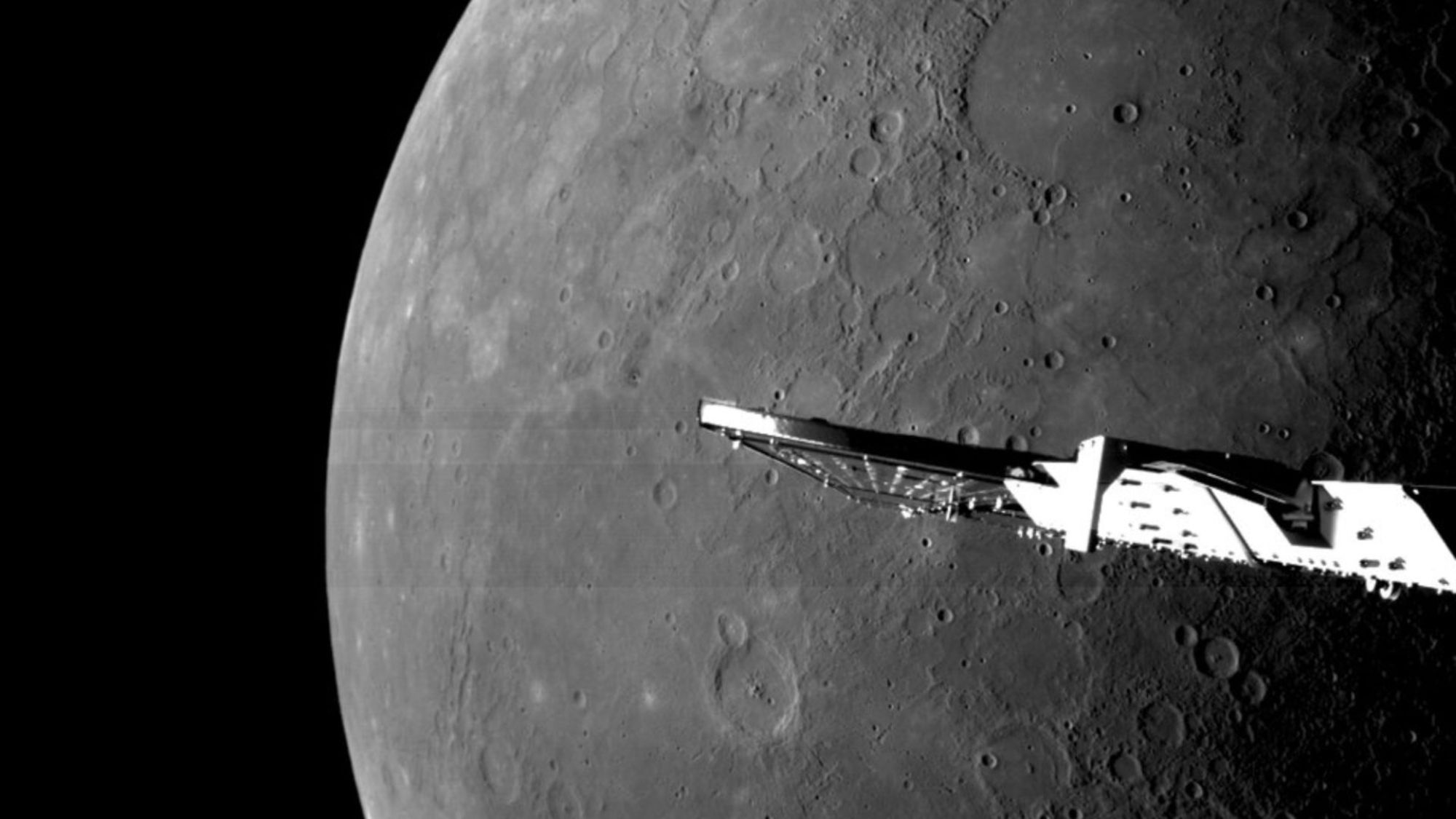
Mercury is the least-explored inner planet, having seen minimal exploration efforts compared to Mars or Venus. The first glimpses of Mercury came from NASA’s Mariner 10 mission in the mid-1970s, which offered valuable data on its surface, atmosphere, and magnetic field but left many questions unanswered. Decades later, MESSENGER provided further insights, revealing detailed imagery of Mercury and discovering features like the unique “hollows,” but questions about Mercury’s formation remained.
The Promise of BepiColombo
The BepiColombo mission aims to address the mysteries left by past missions. The mission comprises two spacecraft:
-
Mercury Planetary Orbiter (MPO): This European probe will investigate Mercury’s surface, mapping its terrain, mineral composition, gravity field, and observing geological features like volcanic deposits.
-
Mercury Magnetospheric Orbiter (Mio): This Japanese orbiter will focus on Mercury’s magnetosphere and atmospheric conditions, including the dust surrounding the planet.
Both spacecraft will provide comprehensive observations of Mercury’s magnetic field from multiple angles, enhancing our understanding of this little-explored planet.
Future Endeavors
The mission has already yielded some preliminary results during its journey, but the real discoveries are anticipated post-separation of the probes in December. Experts like Sean Solomon anticipate a surge in scientific findings once the spacecraft enter orbit.
Klima is particularly hopeful for the MPO’s ability to map the planet’s mineral and elemental composition, which remained elusive in previous missions. The detection of water ice in the polar craters, which remain perpetually shaded from the sun, also stands as an exciting prospect for future studies.
With BepiColombo’s arrival at Mercury, scientists are looking forward to expanding our understanding of this celestial body, which too often remains overshadowed in favor of its larger planetary counterparts. The mission is poised to elevate Mercury’s status in planetary science, making it an object of both intrigue and affection.