Traditional Automakers Embracing Intelligent Driving
Current Landscape of Intelligent Assisted Driving
As the automotive industry gears up for Level 3 autonomous driving, it’s essential to look beyond the popular new energy vehicle (EV) startups and luxury brands that dominate the narrative about intelligent driving technologies. Traditional independent brands and joint-venture automakers are also making significant strides in this area, yet their advancements often go unnoticed.
Traditional Brands and Intelligent Transformation
Historically, many consumers perceive traditional fuel vehicles as lacking intelligence, often equating high-spec features with basic functionalities like cruise control and lane assistance. While new EV startups accelerated their R&D for intelligent driving, traditional automakers remained within the comfort zones of their well-established fuel vehicle lines.
However, the landscape is changing. Brands like Hongqi are transforming their approach, equipping both electric and fuel models with advanced driving assistance systems. For instance, the Hongqi H7 includes a collaboration with Zhuoyu for intelligent driving, featuring cutting-edge navigation aids for urban and highway scenarios.
Similarly, Volkswagen has quickly adopted intelligent driving systems across various models, including the Passat Pro and Tiguan L Pro, which come integrated with advanced navigation assistance functions.
The Role of Zhuoyu in Traditional Brands’ Transformation
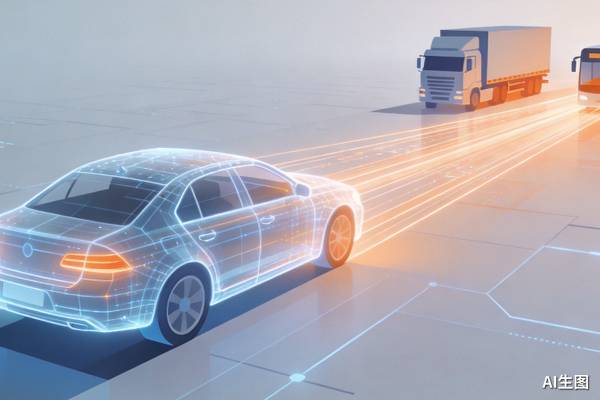
Zhuoyu, though less publicly visible, plays a crucial role in the intelligent transformation of traditional automakers. By partnering with various brands, it provides the technological backbone that many traditional manufacturers lack. Zhuoyu’s approach focuses on “intelligentizing all mobility,” aiming to turn vehicles into components of a cohesive physical AI system rather than isolated entities.
The goal is to enhance the “autonomous mobility capability” across different transport categories through a unified technical framework that leverages shared principles governing physical movement. This not only speeds up the deployment of intelligent driving systems but also enhances the overall performance and safety of vehicles equipped with Zhuoyu’s solutions.
Future Outlook
As traditional automakers continue to develop their intelligent driving capabilities, there is an urgent need for technological partnerships to bridge their gaps in expertise. Numerous automotive brands, including Chery and Great Wall, are incorporating Zhuoyu’s advanced systems into their entry-level and mainstream models.
The shift towards more intelligent driving capabilities signals a broader industry trend that is dramatically changing consumer experiences. As advanced features like highway navigation and urban driving assistance become standard in more affordable vehicles, traditional brands are positioned to reclaim market shares previously dominated by EV startups.
Conclusion
Embracing intelligent driving technology is a pivotal move for traditional fuel and new energy vehicles. With the support of technology providers like Zhuoyu, traditional brands can transition from basic automotive functions to advanced navigation and assisted driving solutions. As the industry progresses, the dream of a future where all forms of transport can utilize intelligent driving technologies becomes increasingly attainable, marking a new era of physical AI.