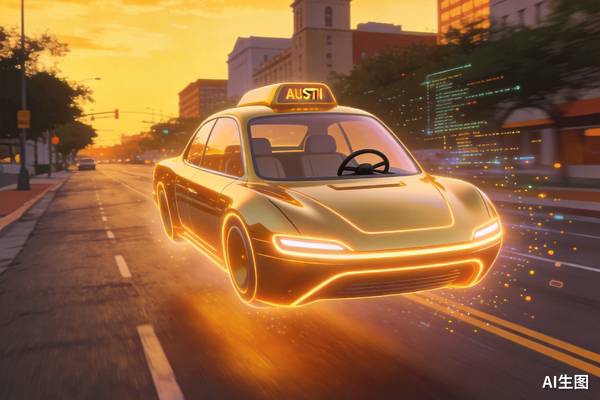
Tesla has officially launched the production version of the Cybercab robotaxi in Austin, USA, marking a significant milestone in the autonomous driving sector. This vehicle uniquely forgoes traditional driving components like the steering wheel and pedals, positioning itself as the world’s first mass-produced vehicle designed exclusively for fully autonomous operation.
Notably, Tesla opted not to broadcast the launch live, enforcing a social media ban on attendees, yet images and details of the vehicle had already surfaced ahead of the event. The Cybercab can be seen operating throughout Austin, reflecting an early rollout of the service.
The design targets exclusively passenger use, diverging from previous autonomous vehicles that were dual-purpose for both drivers and passengers. The Cybercab’s innovative structure and operational model challenge century-old automotive conventions.
Features of the Cybercab
-
Design and Layout: The Cybercab features a minimalist interior with two seats and a 22-inch central control screen for interactions. Doors open automatically upon detecting a passenger’s mobile device and can close autonomously after seatbelt fastening.
-
Passenger Experience: It offers entertainment options like movies and music streaming. With a focus on accessibility, the vehicle has a low entry threshold and substantial trunk space for luggage.
-
Safety and Comfort: The cabin includes numerous airbags, maintains cleanliness through self-inspection capabilities, and ensures data privacy by clearing personal information post-trip. Each passenger has control over their air-conditioning and charging ports.
-
Autonomous Technology: Equipped with nine high-definition cameras and a unique hardware system, the Cybercab provides comprehensive situational awareness, achieving Level 4 autonomy without requiring human intervention.
Economic Implications
Tesla claims the Cybercab’s production cost is impressively low, estimated between $23,000 and $25,000, with a retail price potentially under $30,000. This competitive pricing strategy is expected to disrupt traditional ride-hailing models by eliminating the human driver expense.
Regulatory Challenges
Despite its innovations, widespread adoption of the Cybercab faces obstacles, especially concerning regulations requiring manual control devices. Tesla aims to navigate these challenges through self-certification methods, though it may have to adapt to varying regional laws concerning autonomous vehicle operation and sensor requirements.
Conclusion
The Cybercab signifies a bold step towards a future characterized by driverless, cost-effective, and fully autonomous transportation services. However, achieving universal acceptance will take time, primarily due to regulatory hurdles and production capacity challenges. This launch indicates a pivotal moment in the ongoing evolution of urban mobility and robotics in transportation.