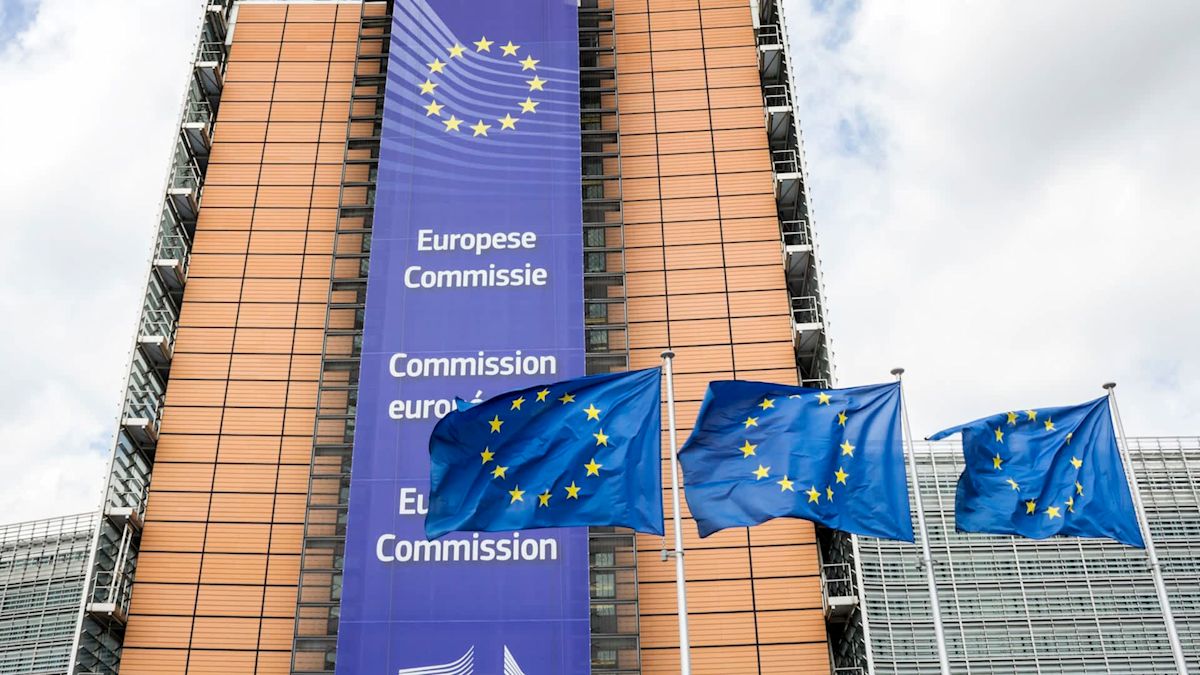
The European Union is considering a significant shift in its clean-energy policies post-2030, focusing more on enhancing existing systems rather than introducing new mandates. As Europe expands its wind and solar energy capacity, it continues to face challenges in distributing low-cost electricity effectively.
Key Points
-
Framework Updates: The EU is revising its renewable-energy framework due to the realization that current regulations alone won’t achieve the 2040 target of a 90% reduction in net greenhouse gas emissions from 1990 levels. A new proposal is expected from the Commission.
-
Renewables Growth: In 2025, renewables represented 26.2% of final energy consumption, projected to reach only 41% by 2030—below the required 42.5%. The Commission expresses concerns that even 41% might not be attainable with current efforts.
-
Investment Over Mandates: Instead of enforcing additional requirements, Brussels is emphasizing the need for investment and effective implementation of existing regulations. Stakeholder feedback suggests that improving regulatory stability is crucial.
Background Issues
-
Grid Challenges: The European power grid struggles with congestion, limited storage capabilities, and a fixed demand that restricts efficient energy distribution. In 2025, renewables accounted for nearly half of EU electricity generation, yet constrained grids wasted significant renewable energy.
-
Costly Generation: When renewable energy cannot be efficiently delivered, more expensive energy sources are utilized, costing the EU billions annually. Projections indicate these costs could escalate significantly by 2030 without proactive measures.
Proposed Solutions
-
Improved Practices: Suggestions for addressing these issues include better tracking of energy curtailment, enhanced rules for renewable-storage projects, and stronger incentives for flexible energy use.
-
Legislative Support: EU lawmakers are already pushing for legislation focused on grid improvements, which aim to reduce electricity price disparities across member states.
Future Focus
The EU’s efforts beyond 2030 will likely center on infrastructure development, coordinated energy management, and implementing strategies to convert ambitious renewable energy goals into reliable power systems. The outcomes will depend on national contributions and adherence to clear targets and compliance mechanisms.
For further insights, additional discussions around electricity access, new energy strategies in different regions, and updates on EU’s renewable energy policies can be found in related articles and resources.


