On September 3, 2006, the European satellite SMART-1 intentionally crashed into the moon, concluding its mission in a controlled manner. Launched in 2003, SMART-1 was the first European spacecraft to reach the moon and was part of a program by the European Space Agency (ESA) to test advanced spaceflight technologies. Its primary objective was to demonstrate solar electric propulsion using a solar-powered electric engine.
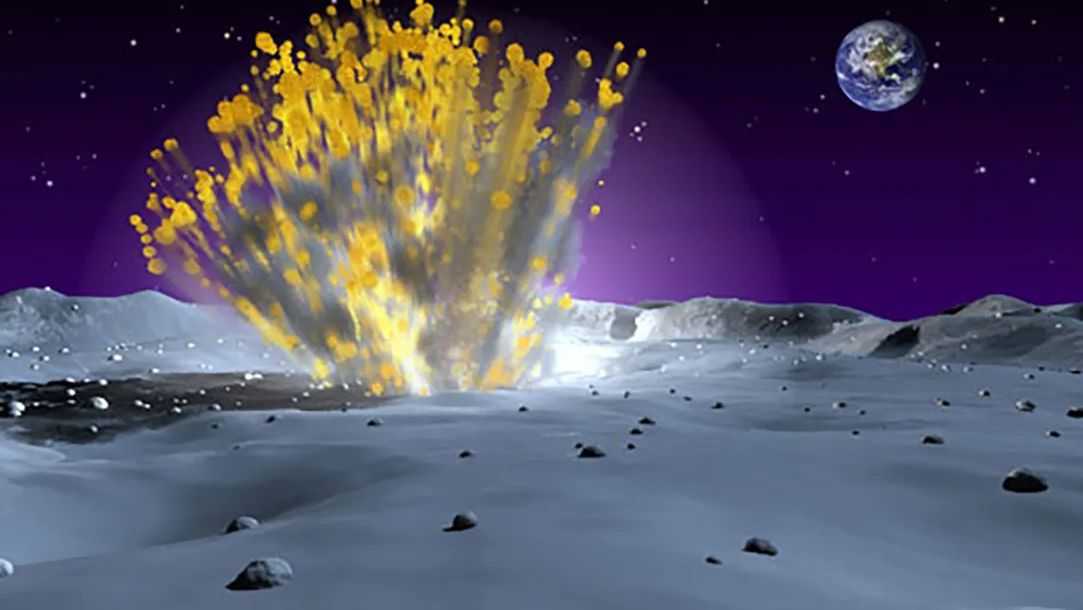
While orbiting the moon for nearly two years, SMART-1 conducted scientific investigations, including searching for water ice and mapping the lunar surface. The controlled crash was observed by astronomers on Earth, who aimed to gather insights into how meteor impacts affect the lunar surface.
The impact created a crater over 13 feet wide and a gouge more than 65 feet long in the lunar surface. Despite its initial six-month mission projection, SMART-1 lasted about three years, significantly exceeding expectations due to successful maneuvers that extended its operational life.
The mission’s technological achievements paved the way for future space exploration, including new missions to Mercury and asteroids, employing similar solar electric propulsion systems.