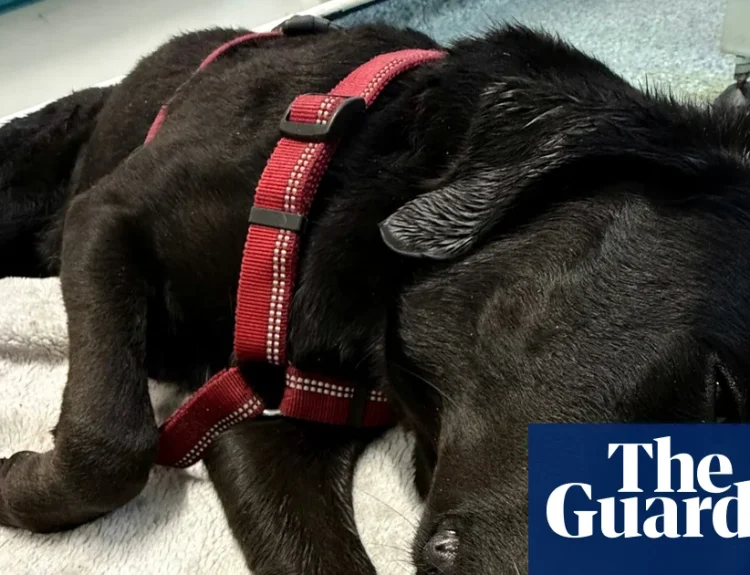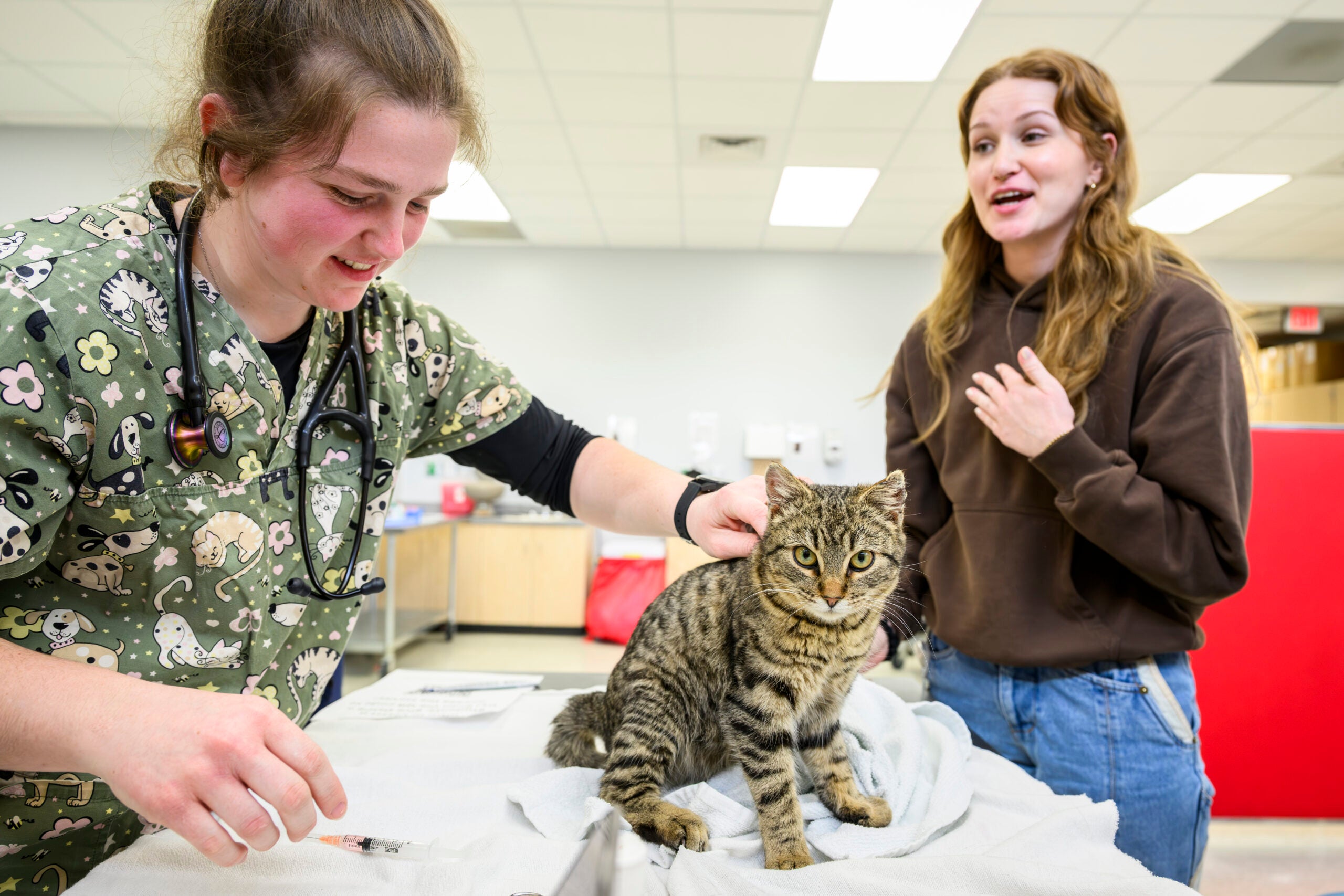
The shortage of veterinarians in rural Wisconsin is a pressing issue, particularly impacting farmers and pet owners who struggle to access timely animal care. A report highlighted that residents in areas like Door County often travel over an hour to reach the nearest emergency veterinary clinic. This situation became painfully real for pet owner Jessica Chase, who lost her dog due to an inability to reach veterinary assistance during a severe snowstorm.
In 2022, the USDA identified 243 rural veterinary shortage areas nationwide, with 16 in Wisconsin, primarily in the northern and northwest regions. Factors contributing to this issue include increased demand for pet care, exacerbated by a surge in pet adoptions during the COVID-19 pandemic. The number of veterinarians entering the field has not kept pace with this rising demand, leading to heavy caseloads for existing practitioners.
The University of Wisconsin-Madison’s School of Veterinary Medicine, the only accredited veterinary school in the state, admits only 100 students annually. Although the program seeks to expand, it’s currently limited by space constraints. Efforts are underway to improve conditions and potentially increase enrollment.
In a bid to address the crisis, Wisconsin recently enacted a bipartisan law establishing a veterinary loan repayment program aimed at incentivizing graduates to work in rural areas. This initiative could alleviate the financial burden on new veterinarians, making rural practices more attractive.
Challenges persist, however, as rural veterinarians often face lower pay and demanding schedules, including on-call hours and emergency duties. Many find it difficult to strike a work-life balance in these environments. Recruitment for roles involving agricultural animals is particularly tough, as fewer veterinary students have farming backgrounds or are interested in rural living.
The struggle is real for those who choose rural practices, with many opting for higher-paying urban positions. The situation underscores the critical need for sustainable solutions to ensure that rural communities have access to veterinary care.