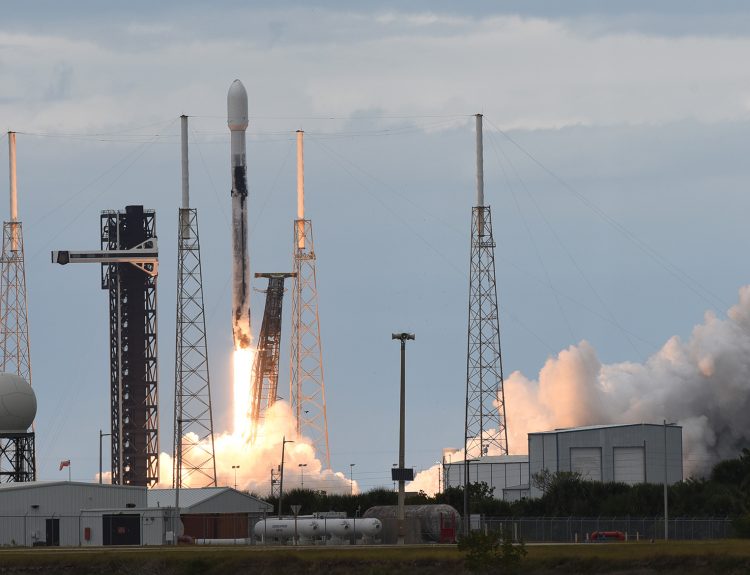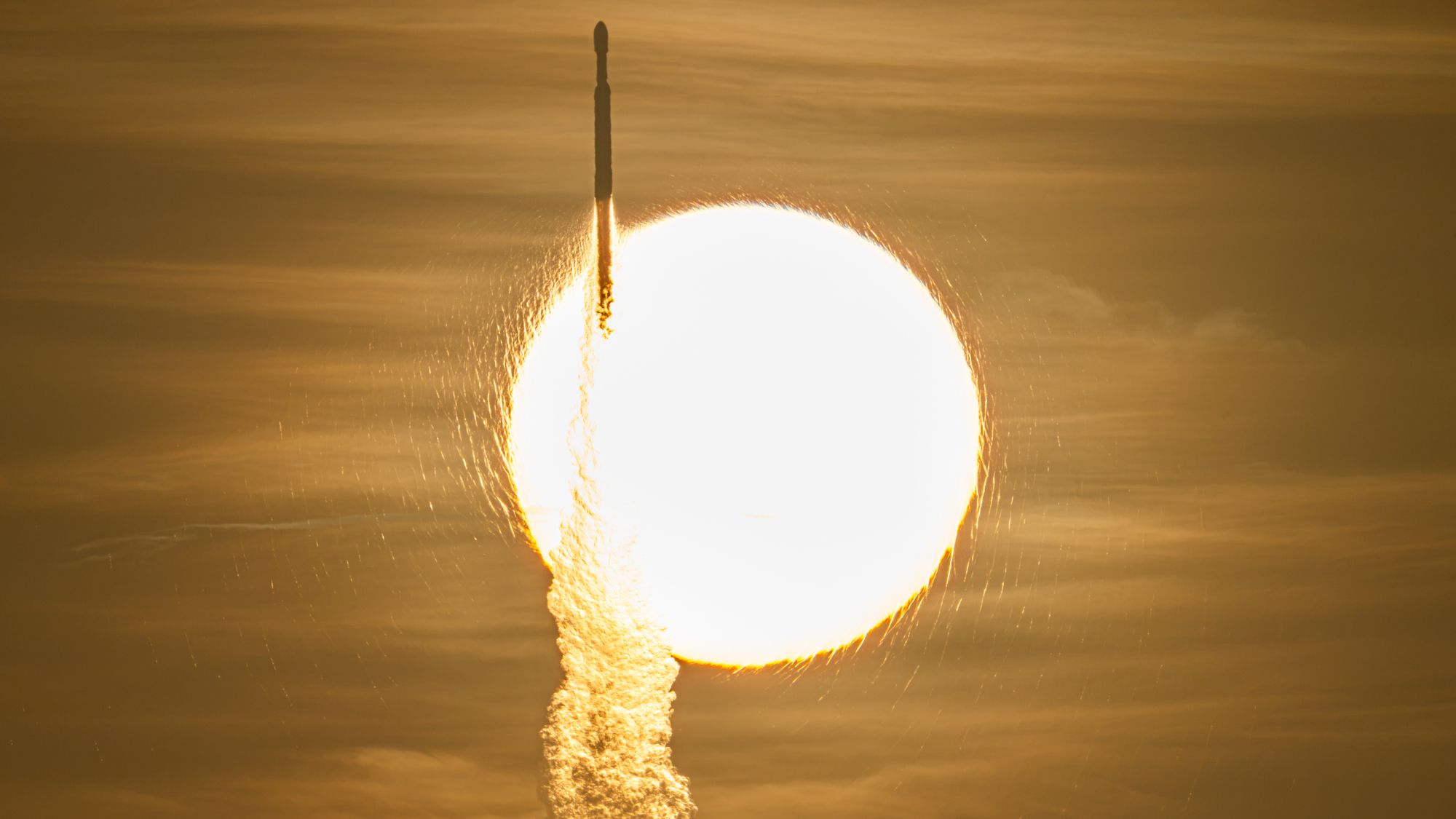
NASA launched its Nancy Grace Roman Space Telescope aboard a SpaceX Falcon Heavy rocket, initiating its mission to survey billions of galaxies and search for thousands of new exoplanets. This telescope will help scientists explore fundamental cosmic questions, including the possibility of life beyond Earth.
Shortly after launch, the telescope successfully separated from the Falcon Heavy, deploying its solar panels. Ground controllers at NASA’s Goddard Space Flight Center confirmed that all systems were operating normally as it headed towards Lagrange Point 2, nearly one million miles from Earth.
One of Roman’s standout features is its remarkably wide field of view, which is at least 100 times larger than that of the Hubble Space Telescope. This capability allows Roman to scan vast areas of the sky much faster than previous instruments. It is expected to identify more than 100,000 new exoplanets and map billions of galaxies, furthering the study of dark matter and dark energy—two of astrophysics’ biggest mysteries.
The mission received a congratulatory call from the White House, highlighting the telescope’s successful launch and its potential impact on space exploration.
In addition to its technical achievements, Roman aims to address whether humanity is alone in the universe. Its coronagraph instrument will block out light from stars, enabling scientists to study the atmospheres of orbiting planets in detail and assess their habitability.
The Roman Space Telescope’s mission extends beyond just exoplanet research; it will also enhance understanding of dark matter and dark energy. NASA officials view the launch as both a culmination of engineering efforts and the dawn of a new era in scientific discovery. After approximately 90 days of preparation, Roman is expected to deliver its first images, promising unprecedented views of previously inaccessible parts of the universe.