University of Rhode Island Researchers Explore Leopard Seal Biology Through Museum Collections
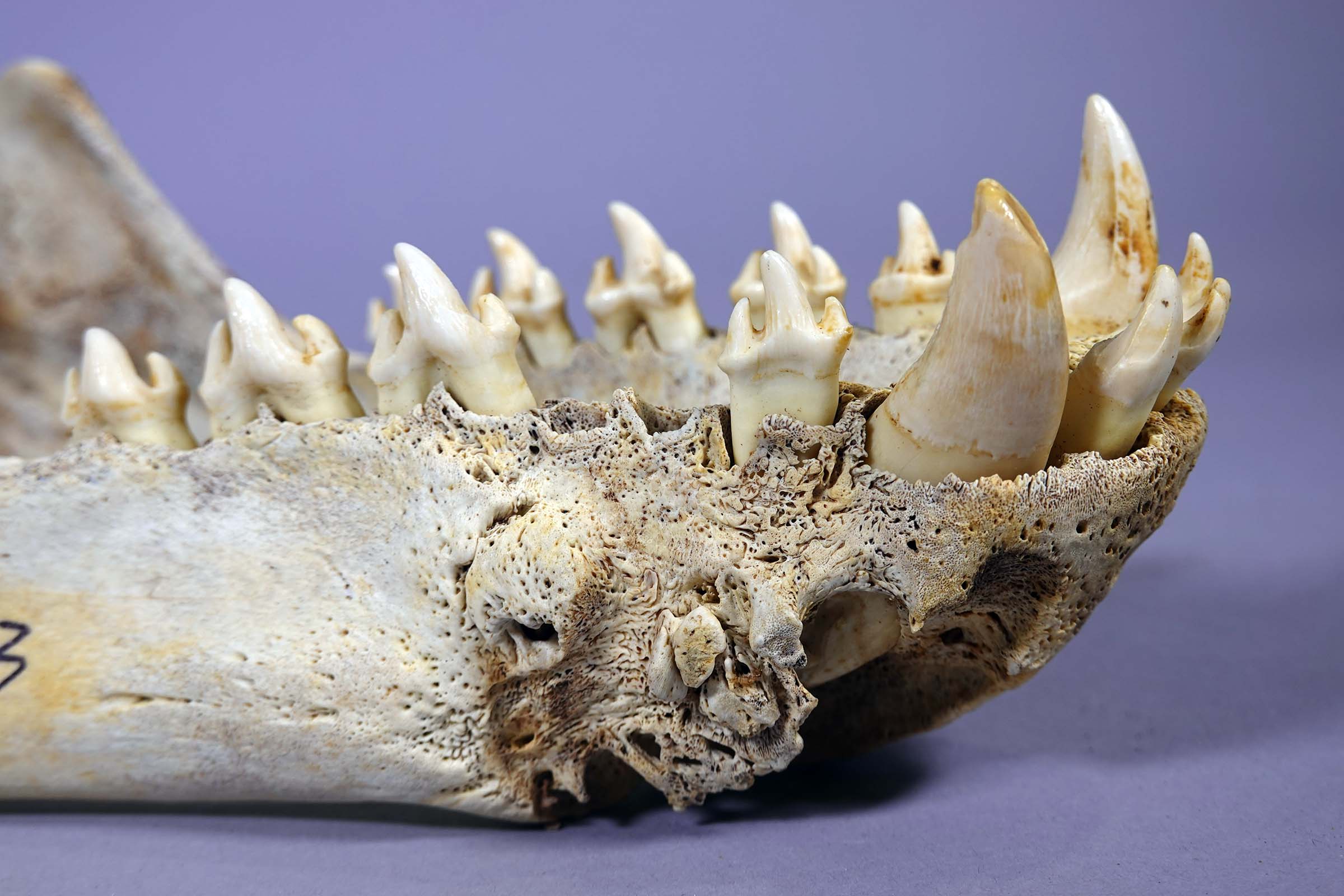
KINGSTON, R.I. – Aug. 17, 2026 – Long-preserved within museum shelves, century-old leopard seal skulls are providing new insights into the biology of these Antarctic predators. Collected in the late 1800s and early 1900s, these specimens carry historical tags that offer clues about their origin, including details on age, diet, and sex.
This summer, Emily Sperou, Ph.D., and Sarah Kienle, Ph.D., from URI’s Comparative Ecophysiology of Animals Lab (CEAL), visited four museums in Australia. Their goal: to photograph, scan, and collect samples from approximately 100 leopard seal skulls.
The initiative aims to fill existing knowledge gaps about leopard seals, an important species in their ecosystem. To achieve this, the researchers collaborated with major museums worldwide, a process that took years of planning and coordination.
During their Australian visit, they worked at the Queen Victoria Museum, Tasmanian Museum and Art Gallery, Melbourne Museum, and Australian Museum, setting up temporary labs with their equipment. This included dental tools, 3D scanners, and sampling vials.
Each specimen underwent a thorough examination: high-resolution photos for measurements, detailed 3D scans, and careful extraction of bone powder and canine teeth. These samples will shed light on vital life history aspects like age, dietary habits, and sexual maturity of leopard seals.
Beyond scientific outcomes, the skulls hold rich narratives. Many feature handwritten notes from early collectors, allowing researchers to connect with historical data and original scientific naming conventions.
The findings will not only enhance current knowledge about leopard seals but also enrich museum collections, providing missing information regarding each specimen’s age and sex. This project emphasizes the significance of museum collections as irreplaceable time capsules that can enhance our understanding of species’ adaptations over time and inform conservation efforts amid climate change.
Ultimately, the research aims to build a foundational understanding of how leopard seals may adjust to their changing environments.
This story was written by Anna Gray in URI’s College of the Environment and Life Sciences.