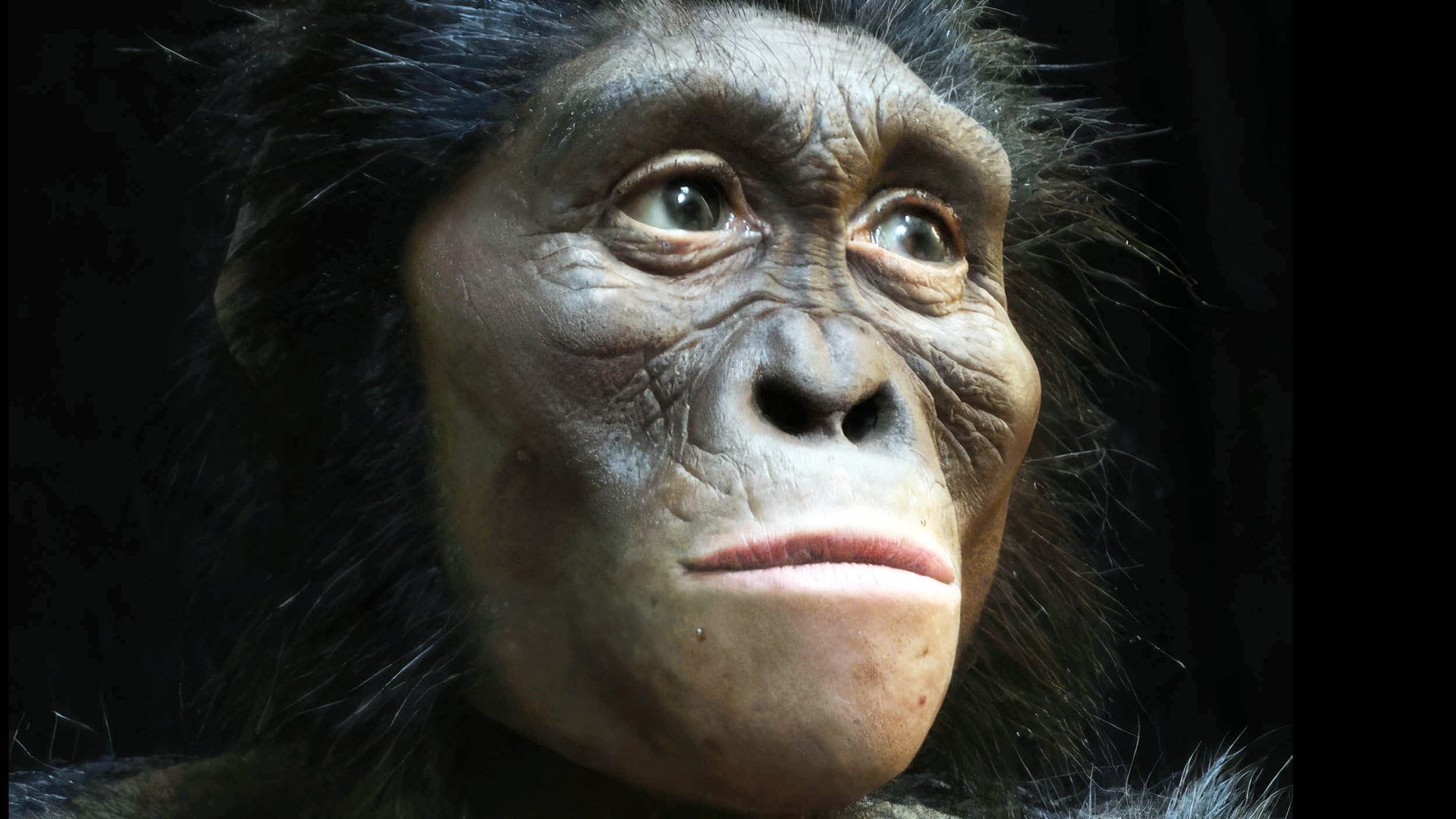
Human Brain Evolution: The Role of Fruit and Honey
Recent research suggests that the evolution of the human brain may be attributed to the consumption of fruit and honey, alongside meat. This theory challenges the long-held belief that meat was the primary driver of brain development.
The Brain’s Energy Demand
The human brain constitutes about 2% of body weight but consumes roughly 20% of the body’s energy at rest. In young children, this energy demand can be even higher. Jennie Brand-Miller, a professor of human nutrition at the University of Sydney, investigated the glucose needs of our ancestors.
The Importance of Glucose
Glucose is vital for brain function. Without carbohydrates, the body resorts to fat for energy, producing ketones, which can only partially meet the brain’s needs. Adults require about 160 grams of glucose daily, and while the body can derive some glucose from protein, it’s insufficient for the brain’s requirements.
Greater Needs for Pregnant Women
Pregnant women have an even higher demand for glucose—about 230 grams daily—due to the energy needs of both the fetus and placenta. As pregnancy advances, the body adjusts to ensure that more glucose reaches these critical areas, which can sometimes lead to gestational diabetes.
Dietary Sources: Honey and Fruit
Brand-Miller’s model suggests a diet evolution progressing from fruit to honey and eventually to cooked starch. Most of a wild chimpanzee’s energy comes from carbohydrates, primarily ripe fruits and honey, both of which are energy-dense. Fossil evidence indicates that primates consuming more fruits had larger brains compared to those that did not.
The Limitations of Refined Sugars
While the findings advocate for the consumption of natural sugars from fruits and honey, Brand-Miller emphasizes that refined sugars and empty calories are detrimental to health. Therefore, a diet rich in whole fruits and natural sweeteners like honey is encouraged.
Implications for Low-Carb Diets
The discussion around diet and human evolution is complex. Brand-Miller acknowledges that low-carb diets may benefit specific groups, such as individuals with type 2 diabetes. However, her model is based on existing data, leaving room for further exploration and testing.
Conclusion
The role of fruits and honey in human evolution offers new insights into dietary needs and brain development, emphasizing the importance of these natural sugars over processed alternatives. The full study is published in the journal Science.