Summary of the Study on Sulforaphane Supplementation and Exercise
Objective:
Researchers from Waseda University in Japan investigated the effects of sulforaphane (SFN) precursor supplementation on exercise-induced muscle damage and oxidative stress in healthy individuals.
Study Design:
- Type: Double-blind, placebo-controlled crossover study.
- Participants: 14 healthy, recreationally active individuals aged 21-30.
- Methods: Participants underwent two intervention periods of two weeks each: one with SFN supplementation and one with a placebo, separated by a three-week washout period.
Supplement Details:
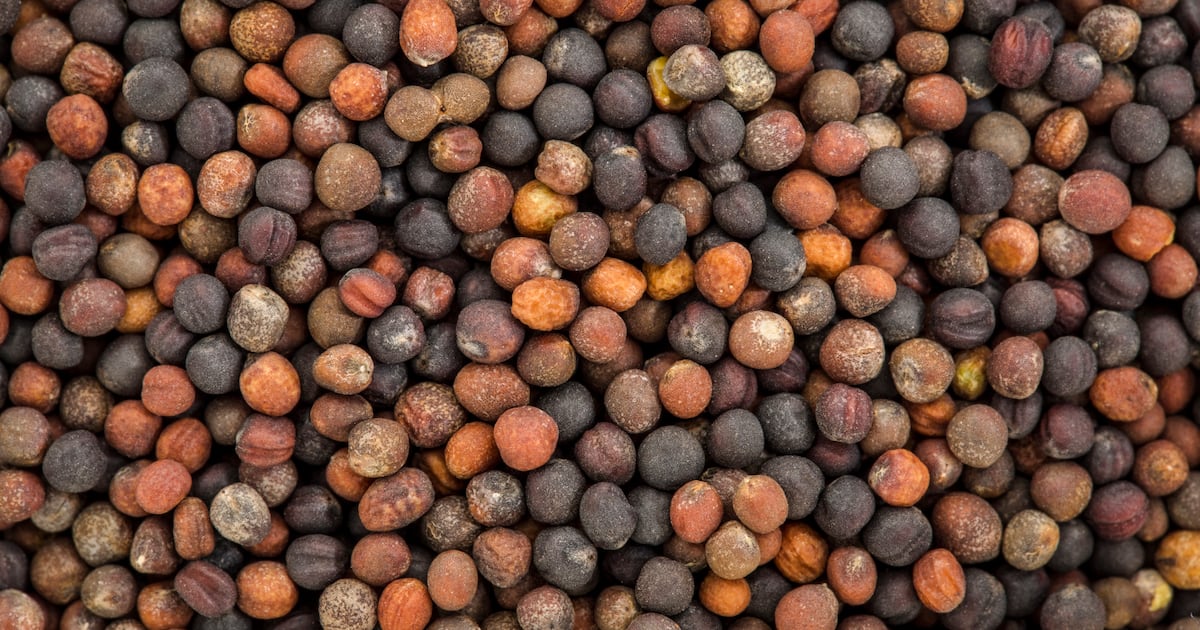
- The supplement contained TrueBroc broccoli seed extract standardized to 13% glucoraphanin, with mustard seed powder to enhance SFN conversion.
Findings:
-
Muscle Damage & Oxidative Stress:
- SFN supplementation significantly reduced serum creatine kinase (CK) activity and myoglobin (Mb) concentration post-exercise, which are indicators of muscle damage and oxidative stress.
- Some beneficial changes were noted in reactive oxygen metabolites and antioxidant markers, suggesting a modulation of the oxidative response to exercise.
-
Endurance Capacity:
- No significant changes in endurance capacity or blood cell counts were observed between the SFN and placebo groups.
-
Implications:
- Short-term SFN supplementation may help mitigate exercise-induced muscle damage and oxidative stress, indicating potential as a non-invasive strategy to support recovery.
Conclusion:
While promising, the results are preliminary, and further research with larger participant numbers and extended follow-up is necessary to fully understand the benefits and mechanisms of SFN in exercise-related contexts.
Source:
Nutrients 2026, 18(16), 2617; Study Link – “Proof of Principle: Short-Term Sulforaphane Precursor Intake Alters Selected Circulating Oxidative Stress and Muscle Damage Biomarkers Following Maximal Exercise: A Double-Blind Crossover Trial.” Authors: R. T. Ruhee et al.