The Philippines faces a significant challenge in achieving its goal of 24/7 carbon-free electricity, with an estimated investment gap of US$165 billion (₱10 trillion) in renewable energy needed beyond 2028. This is crucial for providing reliable power to data centers and industries reliant on continuous electricity, according to the Global Renewables Alliance (GRA).
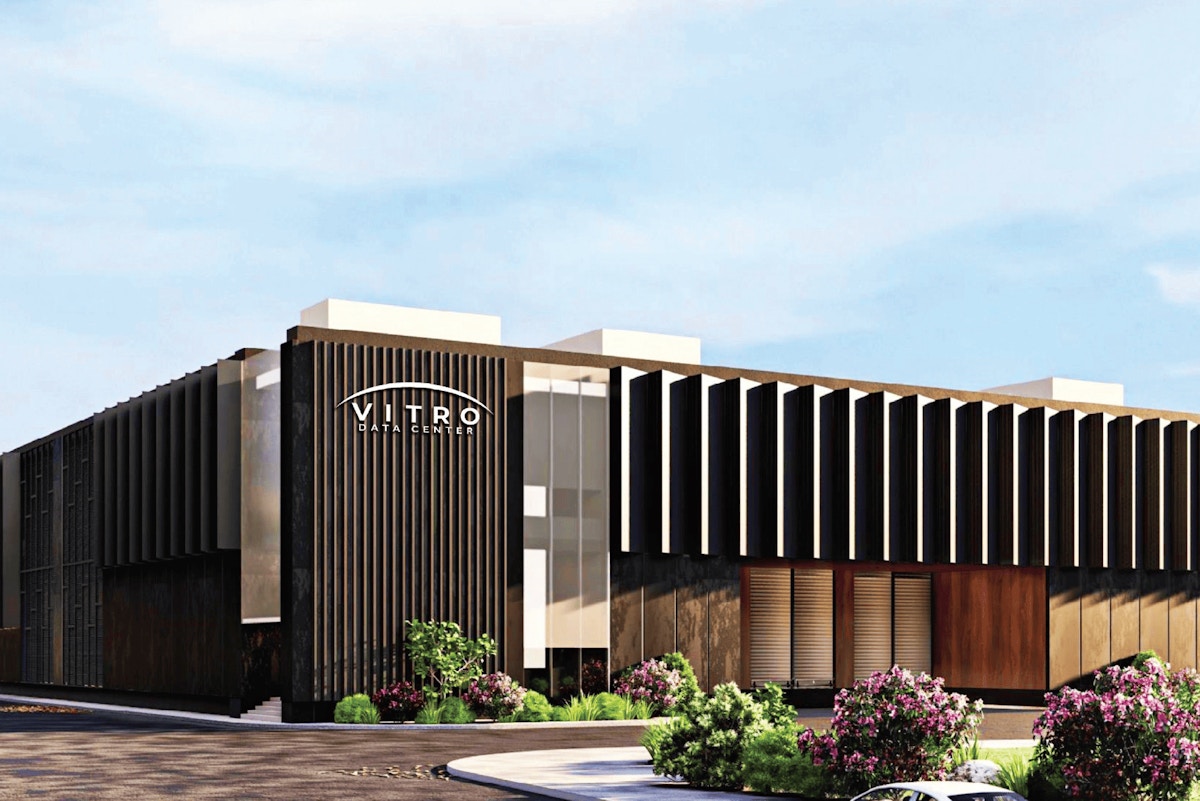
While the investment requirement is hefty, GRA’s Trigya Singh suggests it’s achievable if investment, grid development, and policy reforms progress in tandem. There’s growing demand for reliable electricity, especially with the Philippines’ data center sector expanding rapidly due to increasing cloud and AI service needs. By 2025, the country has 73 MW operating capacity, with projections nearing 500 MW by 2028.
The government aims for 1.5 GW of AI-ready data center capacity by 2033, but this will test its commitment to sourcing 35% of power from renewables by 2030 and 50% by 2040. Insufficient clean energy sources and grid capacity could lead to greater dependence on fossil fuels.
GRA emphasizes that the Philippines’ unique geography, with over 7,641 islands, complicates the integration of renewable energy. Many areas remain poorly connected, leading to significant electricity outages.
Investment in grid infrastructure is crucial to make clean power accessible. While initiatives like the Green Grids Initiative’s Climate Finance Principles can help attract funds for grid development, they won’t provide direct financing or project approvals. The real challenge lies in transforming renewable potential into reliable electricity access for businesses.