The discussion around nutrient-dense foods has heightened as the Trump administration advances its Make America Healthy Again (MAHA) initiative, which emphasizes whole, minimally processed proteins and updated federal dietary guidelines.
Nutrient Density Comparisons
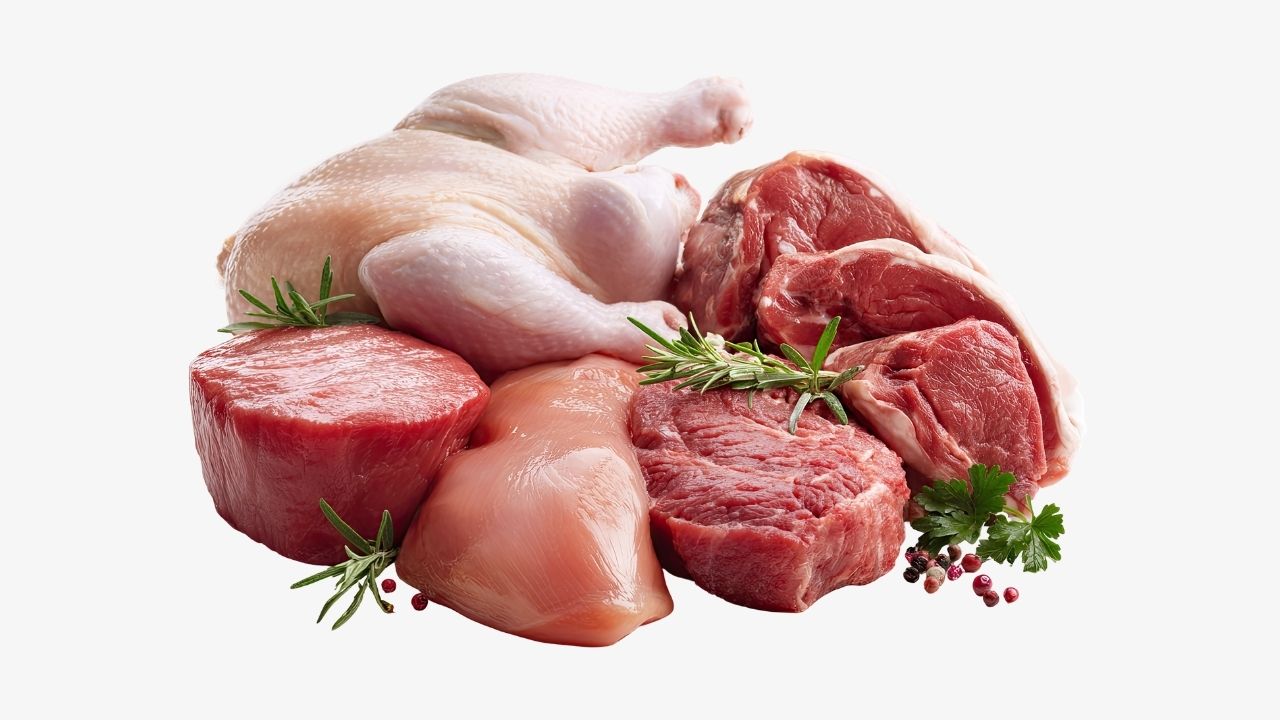
Research indicates that chicken, often regarded as a healthy protein choice, has a lower overall micronutrient density per calorie compared to beef, lamb, and bison. Analyses from USDA databases and nutrient scoring systems reveal that while chicken is high in lean protein, it provides fewer micronutrients compared to ruminant meats.
Key Findings:
- Beef: Especially grass-fed, is rich in protein, zinc, and iron.
- Lamb: High in minerals and healthy fats.
- Bison & Venison: Often rank high in protein and mineral density.
- Fatty Fish: Good sources of omega-3 fatty acids.
- Pork: Solid protein and minerals.
Ranking Sources: USDA databases track vitamins and minerals, indicating that organ meats, in particular, lead in nutrient density, while chicken ranks lower for nutrients like iron and zinc.
Historical Context and Marketing Influence
Chicken consumption surged in the mid-20th century, largely due to marketing by companies like Tyson Foods. Historically considered a seasonal item, chicken was promoted as an affordable healthy protein, leading to significantly increased consumption since the 1950s.
Previous dietary guidelines emphasized lean proteins like chicken to reduce saturated fat intake. In contrast, the current MAHA initiative focuses on nutrient-dense whole foods.
Ties to MAHA Initiative
Led by HHS Secretary Robert F. Kennedy Jr., the MAHA initiative aims to reduce chronic disease by promoting high-quality proteins and healthy fats while minimizing ultra-processed foods. The new Dietary Guidelines for Americans 2025–2030 advocate for whole foods, moving away from previous carbohydrate-heavy recommendations.
Key Actions:
- Promoting local procurement for school meals.
- Supporting diverse protein production.
- Educating on whole-food nutrition.
While some critics raise concerns about affordability and supply chain issues, the initiative aims to restore science-based dietary advice.
Impacts and Considerations
Certain meats with higher nutrient density may support satiety and micronutrient intake, aiding metabolic health goals. However, specialty meats like grass-fed beef or bison can be expensive, and chicken remains a widely available and affordable source of complete protein.
Overall, USDA data confirms that all listed meats provide valuable nutrients, and choices should be based on individual dietary needs, preferences, and budgets—no single meat can satisfy all nutritional requirements alone.