The German government’s initiatives to modernize and expand the Bundeswehr are facing challenges due to slow procurement processes. Critics argue that the urgency created by the wars in Ukraine and Iran highlights the need for efficient military spending. Despite significant increases in defense budgets, including a €100 billion special fund, doubts persist regarding the effective allocation of resources.
A notable setback was the cancellation of the costly Franco-German fighter jet project, which raised concerns about the effectiveness of existing military strategies. Experts believe that without structural changes in military planning and procurement, monetary investments won’t yield better outcomes.
Some politicians view the lessons of the Ukraine conflict as transformative, indicating a shift in warfare tactics. Germany’s previous focus on heavy weapon systems is challenged by Ukraine’s need for modern technology such as drones and efficient communication systems.
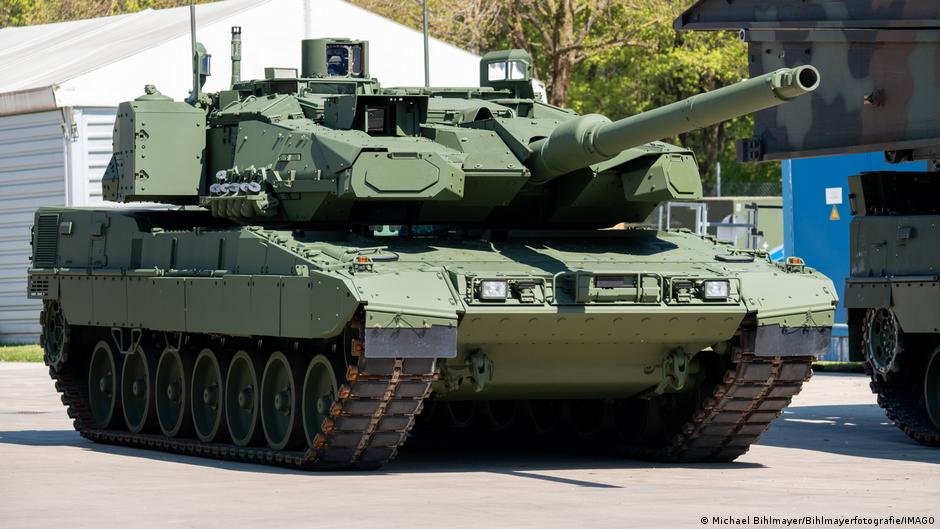
While there is debate about the necessity of legacy weapons like tanks, many still see their value alongside newer technologies. The recombination of drone technology with traditional systems is deemed essential to maintain effective military capability.
Bureaucratic hurdles remain a significant issue in German defense procurement, which has been historically slow. The introduction of the Military Procurement Acceleration Law aims to streamline processes but faces resistance from an established arms industry.
Experts advocate for innovative procurement strategies that adapt to rapid technological changes, emphasizing the need for infrastructure that can support quick production of essential military equipment. Despite recruitment challenges, there is a recognition that skilled human resources remain vital for operating advanced military technology.