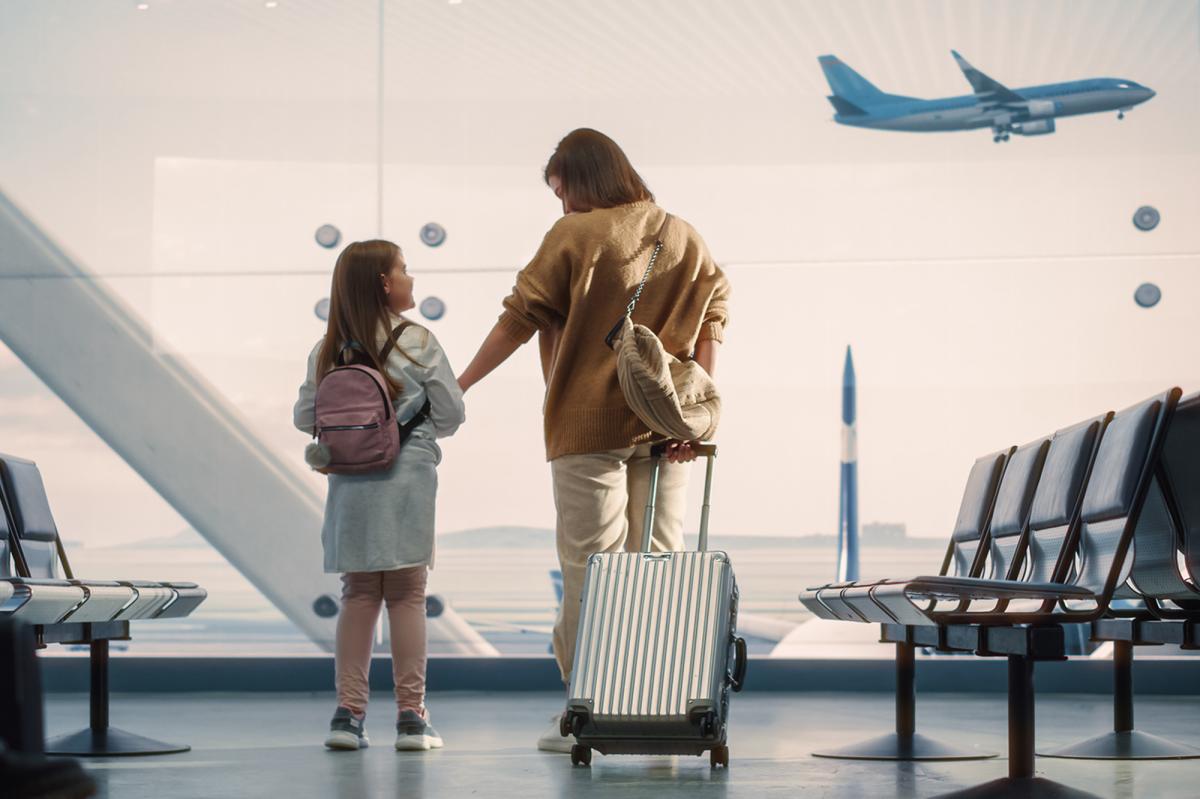
Traveling with kids can be a stressful experience, especially when flight anxiety kicks in. Young children often can’t articulate their fears, which can lead to behaviors like irritability or excessive crying. Anxiety is heightened by the chaos of airports and the unpredictability of flying, leading to physical reactions like increased heart rates or stomachaches.
Understanding Anxiety
Dr. Katie Hurley and Sara Chana Silverstein emphasize that these reactions stem from anxiety, not misbehavior. It’s crucial for parents to recognize that kids may not express fear verbally but through their actions. Validating their feelings and maintaining routines can help them feel more secure.
Preparation and Coping Strategies
-
Explain the Process: Describe the travel experience step-by-step in age-appropriate language, possibly even doing a “practice run” at home with dolls or stuffed animals.
-
Create an “Anxiety Toolkit”:
- Touch: Stress balls, fidget spinners.
- See: Mini coloring books, toys.
- Smell: Essential oils.
- Hear: Playlists, audiobooks.
- Taste: Snacks with positive memories.
-
Use Distraction Techniques: Silverstein suggests using “love notes” to uplift children or engaging in games during the flight.
-
Practice Breathing Techniques: Teach kids methods like square breathing or “teddy bear breathing” to help them calm down when feeling anxious.
-
Nourishment and Hydration: Ensure kids are well-fed and hydrated before traveling to help with emotional regulation.
During the Flight
Acknowledge kids’ feelings about turbulence, reassuring them that it’s a normal part of flying. Focus on keeping yourself calm as kids often pick up on parent emotions.
Conclusion
By preparing adequately and implementing these strategies, parents can help children navigate flight anxiety, transforming traveling into a more manageable experience.