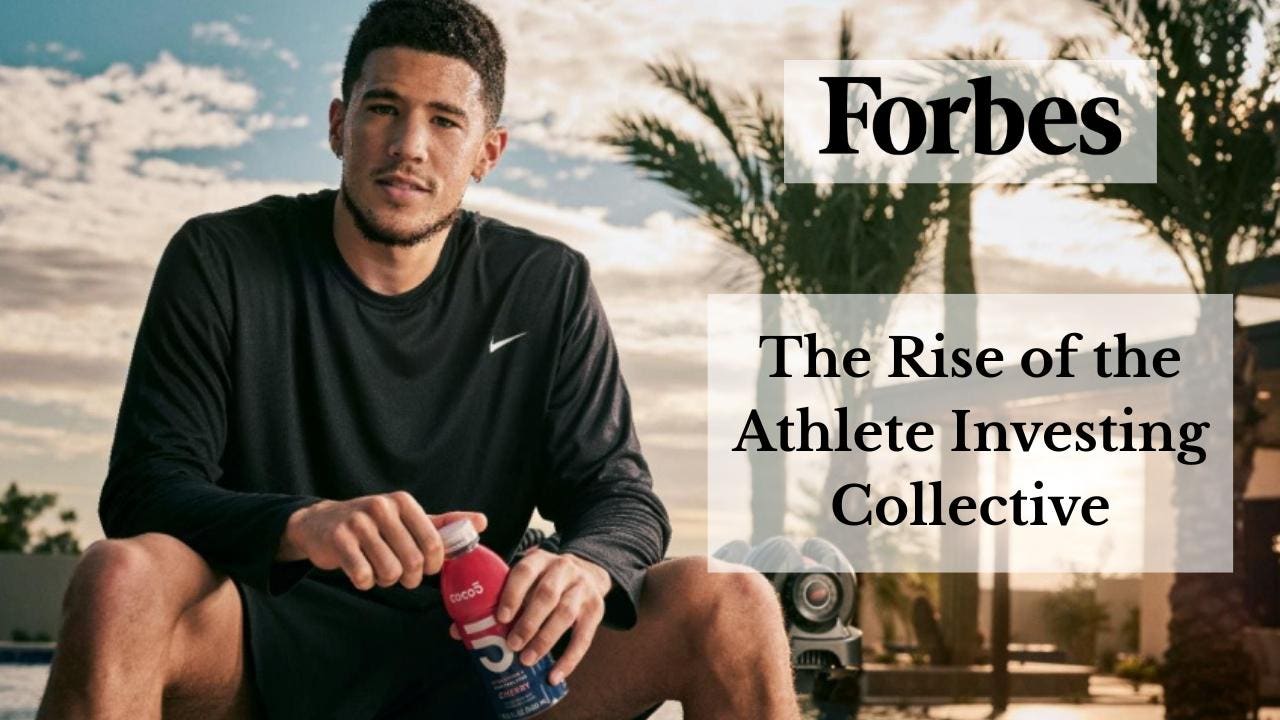
The landscape of athlete investment is evolving, with athletes moving from traditional endorsement deals to becoming meaningful co-owners in consumer brands.
Key Highlights:
-
New Investment Model: Athletes are now pooling capital through funds like CHAMP—designed for collective investment—allowing them to secure stakes in companies while also leveraging their public influence to enhance brand visibility.
-
Successful Examples: CHAMP’s inaugural investment in Rhoback and Loop Capital’s involvement with Coco5 demonstrate the potential for athletes to shape businesses they believe in, beyond mere endorsements.
-
Coco5’s Origin & Growth: Born from the Chicago Blackhawks’ training environment, Coco5 has expanded aggressively from a small presence to thousands of retail locations, fueled by both consumer demand and athlete investments.
-
Long-Term Engagement: Athlete co-ownership fosters deeper commitment to brands. Their ongoing support can generate authentic marketing moments, as seen with athletes like D’Angelo Russell during the NBA playoffs.
-
Economic Models for Women in Sports: The ATHLOS initiative exemplifies a similar approach, providing women athletes with equity and a stake in a newly formed league, thus reshaping compensation and involvement in track and field.
-
The Collective Advantage: These emerging models highlight the strength of collective capital. By organizing collectively, athletes can access better investment opportunities that they may not achieve individually.
Conclusion: This shift signifies a transformation in how athletes engage with brands—moving from being brand ambassadors to being integral stakeholders, thereby potentially redefining the landscape of sports marketing.