Europe is increasingly recognizing that proactive crisis management involves minimizing exposure to risks. However, discussions about the EU’s upcoming budget often overlook this principle. During a recent summit in Brussels regarding the 2028-2034 Multiannual Financial Framework (MFF), divisions emerged once again, with wealthier countries advocating for budget cuts and others defending cohesion spending.
The recent energy crisis highlighted a critical lesson: competitiveness extends beyond productivity to include resilience against vulnerabilities. Europe, which still imports about 57% of its energy, has spent significantly on fossil fuel imports since the crisis began. As a result, investments in clean energy and infrastructure are now seen as vital for both resilience and security.
Despite this shift, the ongoing debates around the MFF do not adequately prioritize these investments. For instance, proposed cuts to the Competitiveness Fund and Horizon Europe contradict the European Parliament’s broader conception of competitiveness, which encompasses aspects like energy security and strategic autonomy.
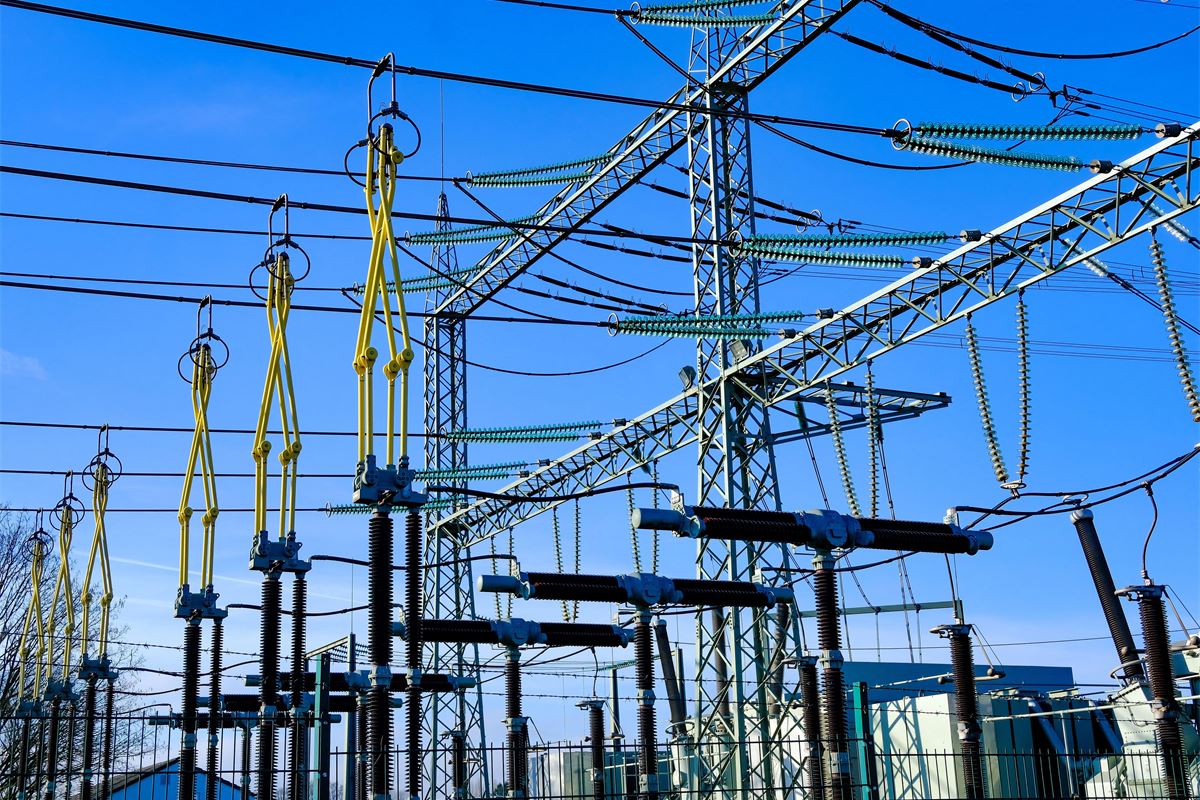
In contrast, other economies, particularly China, have prioritized energy investments to enhance their competitive edge. China aims for substantial investments in grid infrastructure, positioning electricity as a strategic asset. The U.S. is similarly focusing on grid modernization to promote industrial competitiveness.
The EU has identified a need for approximately €600 billion in grid investments by 2030, yet budget discussions are still bogged down by national interests. As the Irish presidency takes on the challenging task of budget negotiations, it faces the important challenge of shifting the conversation from distributional concerns to collective investments that reduce vulnerability across Europe.