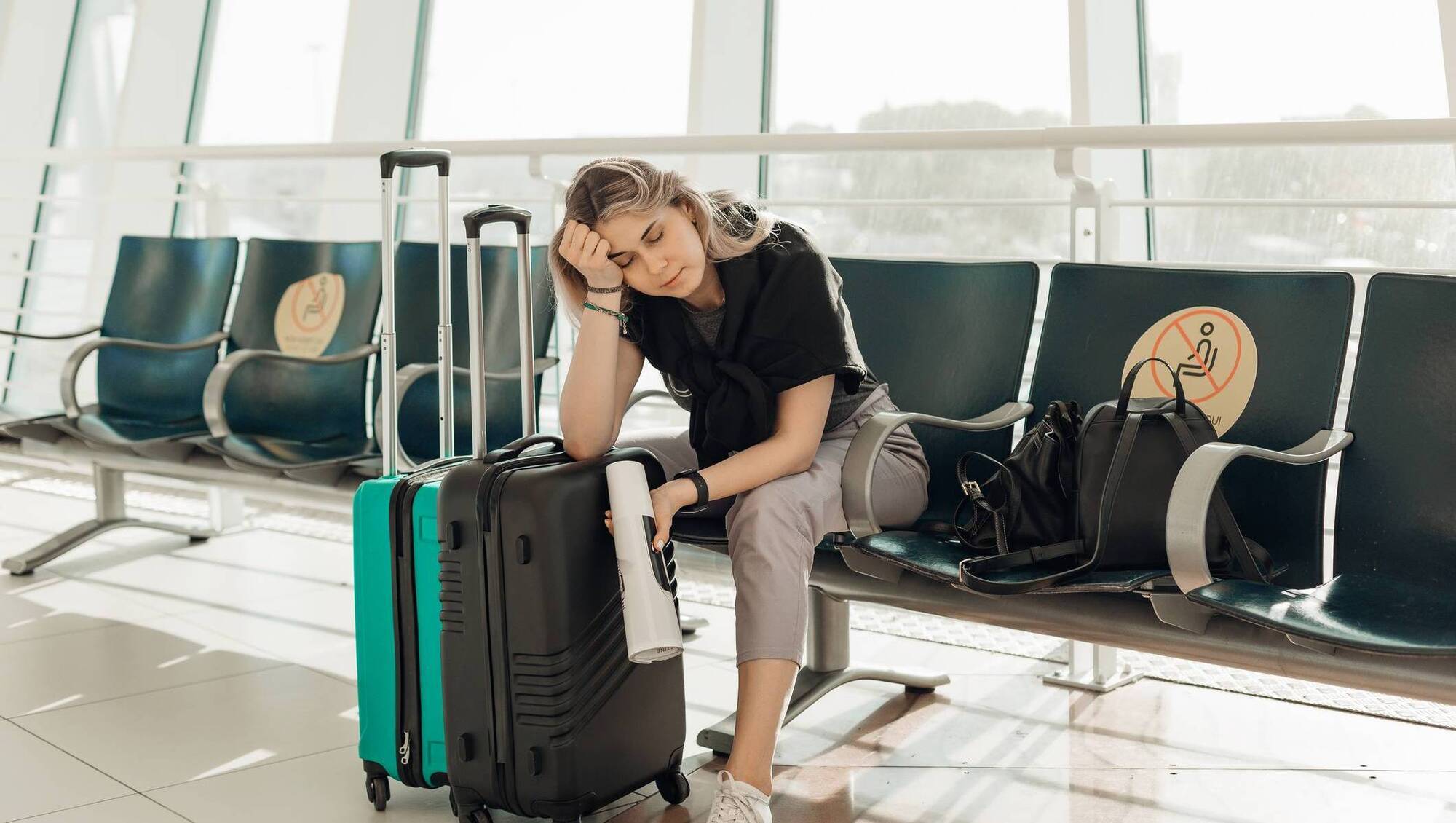
Understanding Jet Lag vs. Travel Fatigue
The summer holiday season brings a surge of travelers through airports like Dublin and Cork. With this increase, many may confuse what they’re feeling post-travel: jet lag or travel fatigue.
What is Jet Lag?
Jet lag occurs when your sleep pattern is disrupted after a long flight, particularly when crossing multiple time zones. Common symptoms include:
- Difficulty sleeping
- Exhaustion
- Trouble concentrating
- Some may also experience digestive issues and mild anxiety.
Jet lag usually subsides within a few days as your body adjusts to the new time zone.
What is Travel Fatigue?
In contrast, travel fatigue arises from the stresses of travel itself, not necessarily linked to time zones. Factors include:
- Early wake-up calls
- Airport stress
- Disrupted routines
- Dehydration
- Poor sleep
- Overly packed itineraries
According to Dr. Elisabetta Burchi, travel fatigue can occur even on short flights, as the cumulative stressors of travel affect the nervous system, leading to symptoms like brain fog and exhaustion.
The Impact on the Body
Both conditions share overlapping symptoms but originate from different sources. Jet lag stems from a disconnection between your circadian rhythm and the new environment, while travel fatigue results from the physical and psychological strains of traveling.
Dr. Burchi notes that these disruptions can impact your autonomic nervous system, affecting functions like sleep, digestion, and alertness. The adjustment isn’t instant; travelers must give their bodies time to recover, especially as trips grow shorter.
Preventing Travel Fatigue
To help combat travel fatigue, Dr. Burchi recommends:
- Prioritizing sleep in the days leading up to your trip
- Staying hydrated before, during, and after flying
- Exposing yourself to natural daylight upon arrival
- Keeping your first day unscheduled
- Incorporating real rest into shorter trips
By recognizing the symptoms and implementing preventative measures, travelers can better enjoy their holidays and achieve the restorative experiences they seek.