Pet Travel Tips To Ensure a Stress-Free Journey with Your Animal Companion
Introduction
As summer travel season approaches, many families are gearing up to travel with their pets. The American Veterinary Medical Association (AVMA) stresses that careful planning is crucial to ensure both the owner’s and pet’s well-being during these journeys.
Background and Context for Pet Owners
Dr. Michael Q. Bailey, AVMA President, highlights the importance of preparing for summer travel responsibilities. Consulting with a veterinarian before your trip can ensure your pet is up-to-date on vaccinations and has the necessary medical documentation. Assessing your pet’s health and temperament is essential, as some animals may experience stress during travel.
Impact on Travelers and Animal Welfare
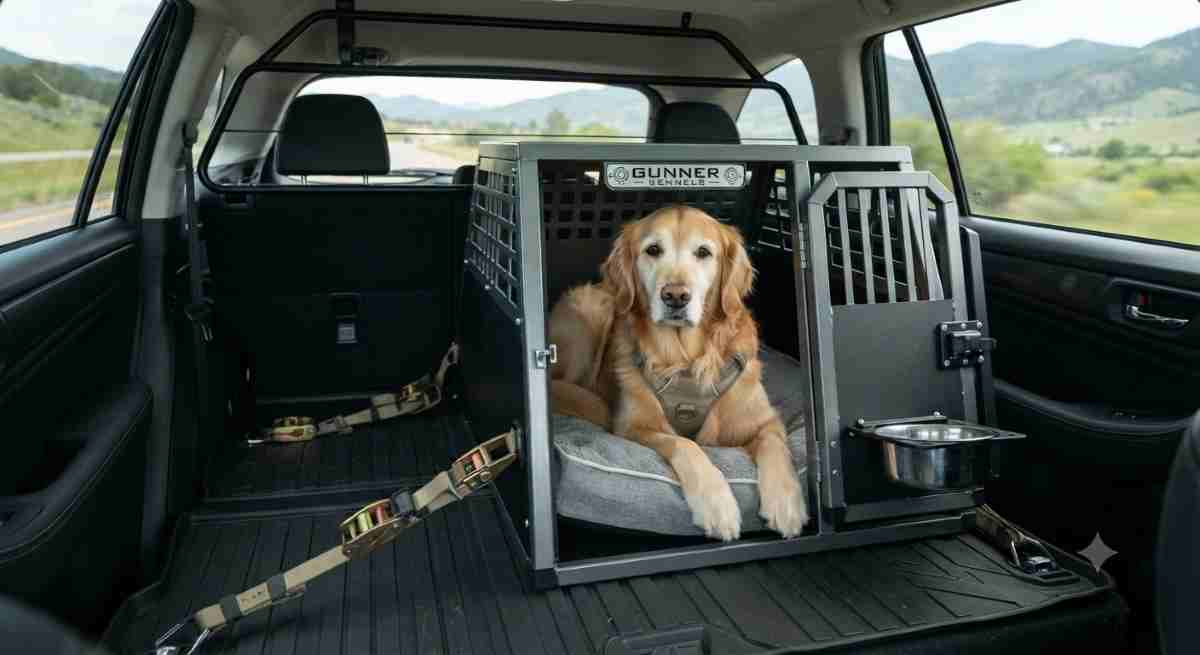
Traveling with pets means adapting your itinerary to include breaks for hydration and exercise. Pets often reflect their owners’ emotional states, and maintaining a calm environment is vital. Using appropriate restraint systems like crash-tested harnesses or travel carriers can prevent injuries.
Industry Insights and Expert Veterinary Advice
Veterinarians recommend familiarizing pets with carriers or harnesses ahead of time to create a positive association. Keeping their diet consistent helps avoid digestive issues. These measures are part of maintaining pets’ health during travels.
Practical Information and Travel Tips
Here are essential tips for a smooth journey:
- Documentation and Identification: Ensure your pet is microchipped and that all vaccinations are documented. Carry a recent photograph for identification.
- Travel Kit: Pack a designated bag with a leash, portable water dish, waste disposal supplies, and familiar toys or blankets to comfort your pet.
- Logistics Planning: Research emergency veterinary clinics near your travel destination. Confirm pet-friendly policies at your accommodations.
- Safety Protocols: Never leave a pet unattended in a parked vehicle, even briefly, as temperatures can rise quickly.
Comparison with Previous Policies and Developments
Older practices relied on physical tags for identification. Today, microchip registration is crucial. Regulations around carrier dimensions and health certificates have also become more stringent, reflecting a deeper understanding of animal behavior and welfare.
Conclusion
By prioritizing your pet’s needs and following these professional insights, you can significantly reduce travel-related stress, ensuring a safer, more enjoyable experience for both you and your animal companion. Planning and logistics are key to successful pet travel.
Additional Information
For further details on travel safety for pets, consult resources available from the AVMA and local veterinary professionals.