Summary of the Research on Oxalate and Inflammatory Bowel Disease (IBD)
Research Overview
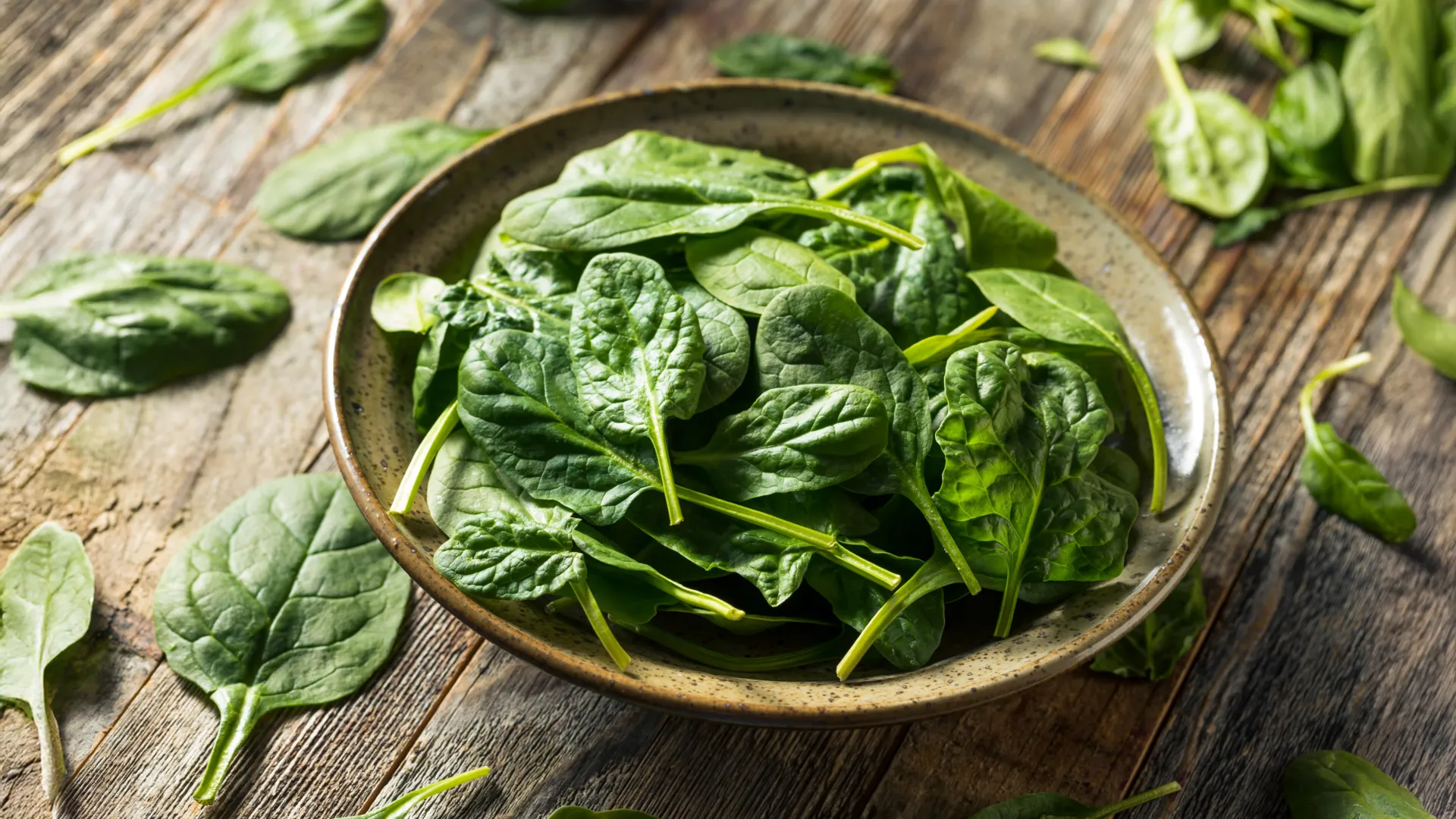
Recent findings from the UNC School of Medicine reveal that oxalate, a naturally occurring compound in plant-based foods (like spinach, almonds, and sweet potatoes), may exacerbate intestinal inflammation in individuals with inflammatory bowel disease (IBD). This study was published in Cellular and Molecular Gastroenterology and Hepatology by Dr. Anna Salvador and her team.
Key Findings:
-
Reduced Oxalate Transporters:
- Patients with IBD displayed significantly lower levels of two oxalate transporter proteins (SLC26A2 and SLC26A3) in their intestinal tissues. This reduction was noted irrespective of active inflammation.
- A correlation was observed: as inflammation increased, transporter levels decreased.
-
Enhanced Oxalate Levels in Crohn’s Disease:
- Individuals with Crohn’s disease excreted higher levels of oxalate despite having similar plant-based diets as healthy individuals.
- This was confirmed using both dietary questionnaires and DNA metabarcoding to analyze stool samples.
-
Animal Model Insights:
- Mice given an oxalate-rich diet showed significantly higher mortality when subjected to colitis-inducing substances.
- The addition of oxalate led to earlier onset and increased severity of colitis in genetically predisposed mice, mirroring human IBD patterns.
-
Inflammatory Responses:
- Cell culture studies indicated that oxalate heightened inflammatory responses in key immune cells, contributing to gut inflammation.
-
Potential Marker for Disease Progression:
- Low expression of the transporter SLC26A6 was associated with stricturing Crohn’s disease, indicating that oxalate transporter activity could help identify patients at greater risk of severe disease.
Implications for Patients with IBD:
-
Dietary Considerations:
- The findings suggest that while it may not be necessary to eliminate plant foods, individuals with genetic susceptibility to IBD might want to monitor their oxalate intake.
- There is potential for microbiome-based treatments to enhance oxalate breakdown, offering alternatives to dietary restrictions.
-
Future Research Needs:
- More extensive studies are needed to establish clear dietary guidelines regarding oxalate for IBD patients, focusing on the relationship between diet, oxalate processing, and gut inflammation.
Conclusion:
This research provides a fresh perspective on the role of dietary components in IBD, pointing toward new strategies to personalize dietary interventions and enhance treatment options by linking nutrition with gut health. The study highlights the need for further investigation into the mechanistic relationship between oxalate processing and inflammatory responses in IBD patients.


