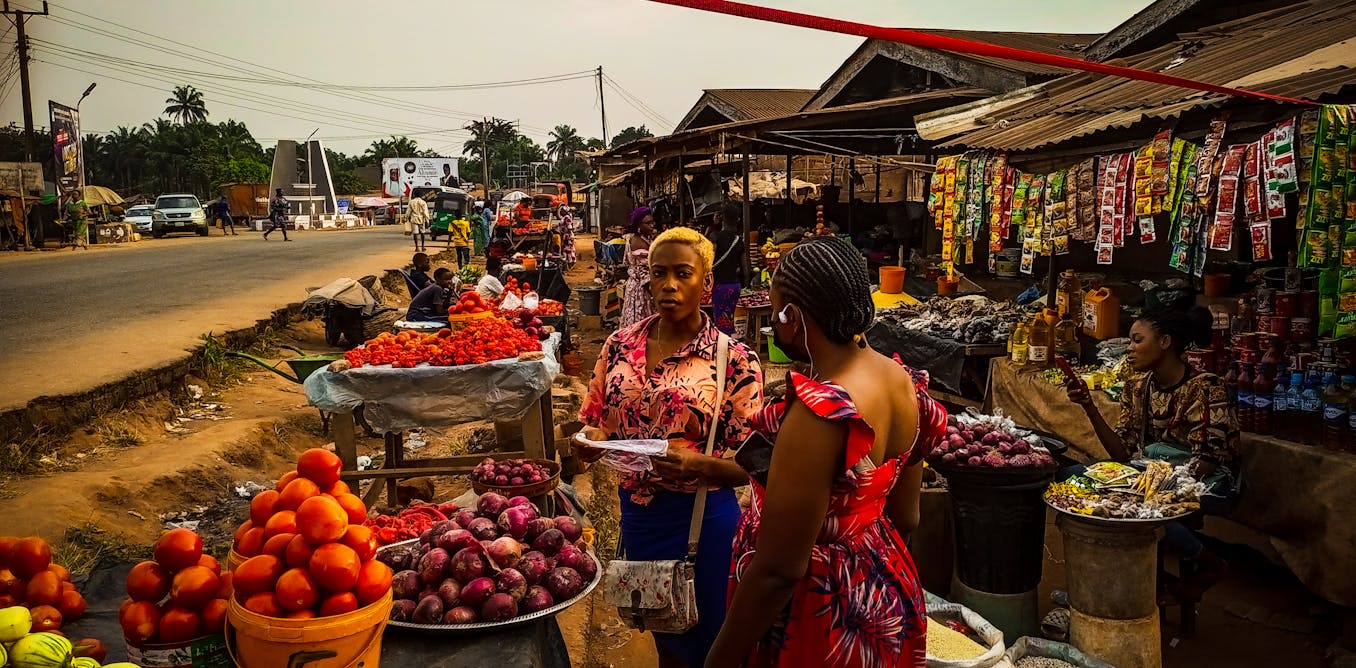
The Burden of Malnutrition on Women
Worldwide, women bear the greatest burden of malnutrition. Over two-thirds of women of childbearing age lack sufficient micronutrients, essential vitamins and minerals that are vital for health. This situation is often referred to as “hidden hunger,” as women may consume enough calories but still lack necessary nutrients.
Despite decades of interventions, the prevalence of anemia, mainly impacting women and children, has increased from 28% to 31% since 2012. This condition, caused by iron deficiency, highlights a significant public health issue.
The Gender Gap in Food Insecurity
The gender gap in food insecurity is widening, especially in sub-Saharan Africa, where 80% of women of reproductive age experience micronutrient deficiencies. A systematic review by experts identified 143 factors influencing women’s diets across 125 low- and middle-income countries. Surprisingly, they found that women’s agency—defined as their ability to make decisions about food, financial control, and mobility—is the most critical factor influencing dietary quality, rather than food availability or household income.
Who Decides What a Woman Eats?
In many low-resource settings, nutritional choices are often controlled by men or senior women, depriving younger women, who may have lower social status, of adequate access to nutrition. Programs have primarily focused on educating women about healthy eating, neglecting the deeper, systemic barriers that influence their diet.
Implications Beyond Nutrition Science
Advising women to diversify their diets without empowering them to make choices or access resources places the responsibility for change on those with the least power. Women’s diets are influenced not only by personal preferences or nutritional knowledge but also by broader structural and sociocultural factors. Conditions like climate change and global food systems exacerbate these issues, making women the first to experience negative consequences during crises.
Recommendations for Change
To effectively improve women’s nutrition, interventions should focus on enhancing women’s agency. Here are some recommendations:
-
Policy Changes: Agricultural policies should address barriers to decision-making and financial control for women.
-
Contextual Understanding: Recognize that barriers to nutrition vary based on geography and culture, necessitating community-specific solutions.
-
Evidence Gathering: Invest in data collection to fill in gaps about marginalized women, particularly in remote and conflict-affected areas.
-
Utilize Technology: Innovative methods, like mobile surveys, can help reach women in isolated locations.
-
Reassess Funding: In light of shifts in global nutrition funding, it is vital to prioritize credible evidence that addresses the constraints on women’s diets.
Conclusion
Nutrition isn’t merely about instructing women on healthy eating; it also involves empowering them to translate that knowledge into action. Until these structural barriers are addressed, progress in women’s nutrition will remain stunted.