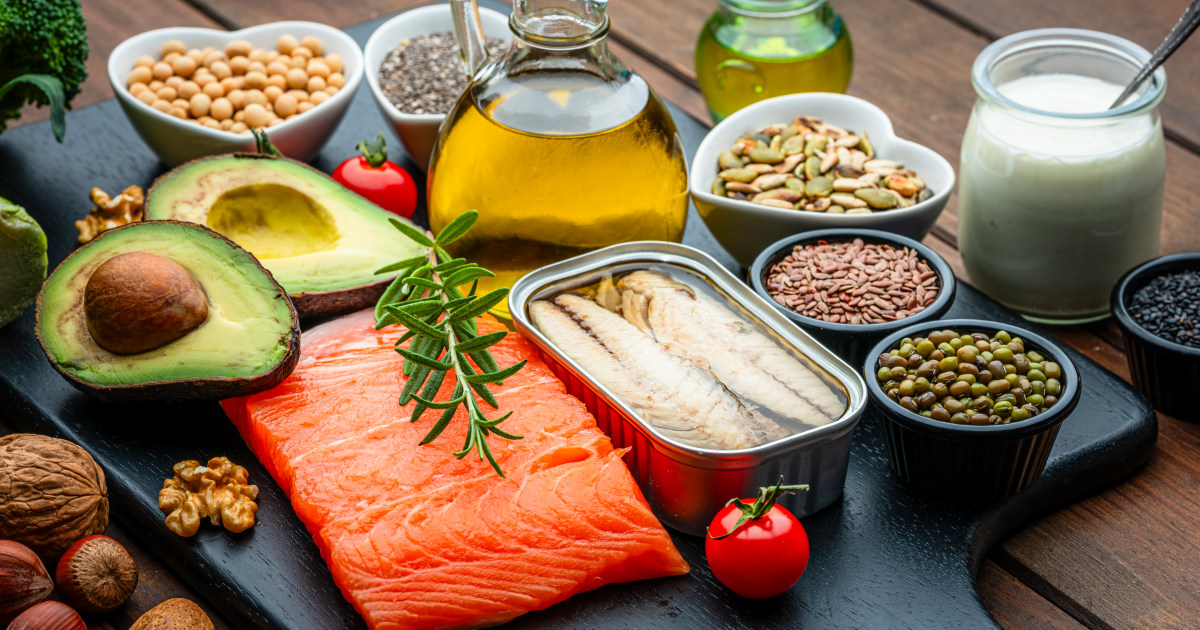
The perception of dietary fat has evolved significantly. For many years, people associated fat-free or low-fat foods with weight loss and health, often shunning fats altogether. However, recent findings highlight the importance of healthy fats and the detrimental effects of refined carbohydrates, sugars, and ultraprocessed foods on obesity.
Key Points on Fat Consumption:
-
Nutritional Benefits of Fats:
- Healthy fats are essential nutrients that aid in the absorption of fat-soluble vitamins (A, D, E, K), support hormone production, and provide lasting energy.
- Unsaturated fats from sources like nuts, seeds, avocados, olive oil, and fatty fish are linked to heart health.
-
Portion Control:
- While healthy fats are beneficial, they are calorie-dense. Registered dietitian Lisa Young emphasizes the importance of portion control to avoid digestive discomfort.
-
Timing Matters:
- Dietitians recommend spreading fat intake throughout the day, with breakfast being a particularly beneficial time to incorporate healthy fats, which can enhance satiety and control cravings.
- Large, high-fat meals late at night can be problematic, as fats slow down digestion, leading to potential discomfort, acid reflux, and poor sleep quality.
Recommendations for Incorporating Healthy Fats:
- Breakfast: Add nut butter, avocado, or seeds to meals to boost satiety.
- Lunch: Include avocados in salads or sandwiches.
- Dinner: Use olive oil for cooking or dressings.
- Snacks: Consider combinations like apple slices with peanut butter for sustained energy.
Avoiding Late-Night Fatty Meals:
Eating heavy, high-fat meals before bed can disrupt digestion and sleep. If you crave something at night, opt for lighter snacks that include healthy fats without being overwhelmingly heavy.
Conclusion:
Incorporating healthy fats mindfully throughout the day can lead to improved health outcomes. Focus on quality fats and be aware of portion sizes and meal timing for optimum benefits.