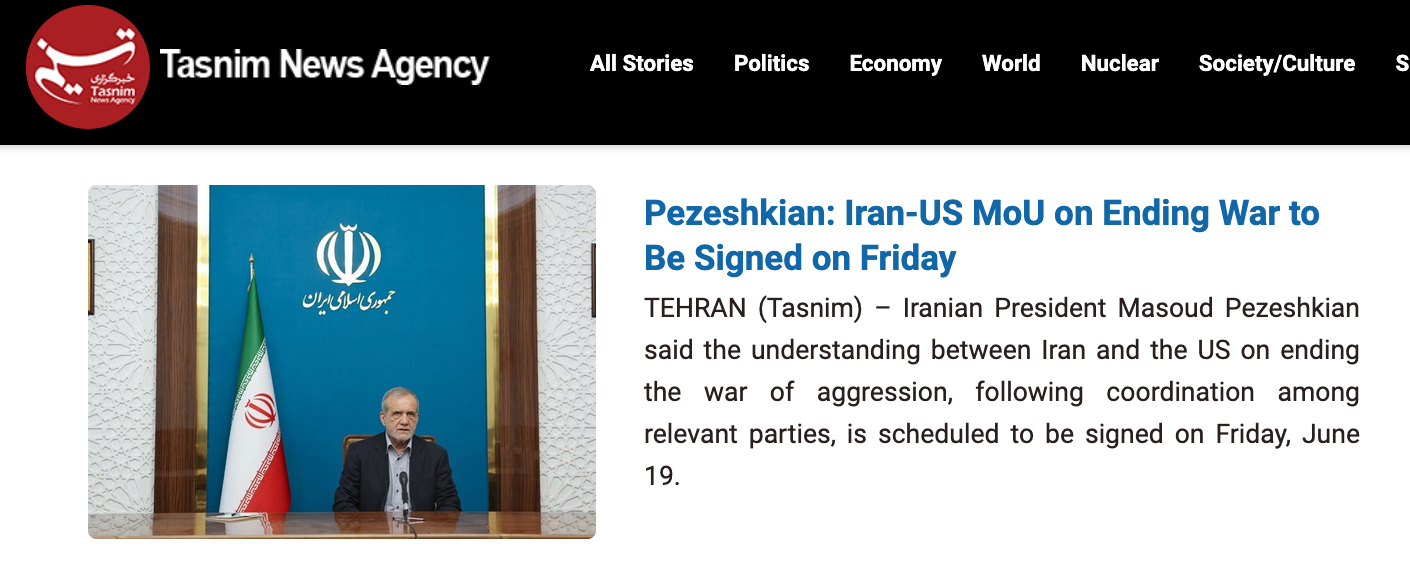
As tensions remain high, the upcoming Memorandum of Understanding (MoU) between Iran and the United States is generating significant debate among analysts. The document, set to be signed on Friday, has yet to be finalized, leading to conflicting statements from both parties. This article dives into the complexities surrounding the agreement and the potential implications for the region.
Conflicting Perspectives on the MoU
Recent discussions, especially on platforms like YouTube, have highlighted the disparity between what the U.S. and Iran claim has been agreed upon. Some commentators speculate that the text is still subject to negotiation, with both sides struggling to align their positions.1 The American narrative presents a stark contrast to Iranian assertions, raising skepticism about the reliability of the information being shared.
Financial Commitment Questions
A particularly contentious point involves claims about a proposed $300 billion for Iran’s reconstruction efforts. During a recent statement, Trump declared that the U.S. would not be investing any money in Iran, labeling such rumors as “ridiculous”.2 Previous discussions suggested that the U.S. would never allocate such a substantial sum, underscoring doubts even within Iran about the feasibility of this financial commitment.
However, Vice President Vance indicated there could be access to this fund if Iran meets the conditions outlined in the agreement:
Vice President Vance on Potential Funding:
“Well, Ed, that’s the sort of thing they could have access to, funded by the Gulf Coast Coalition, so long as they honor their end of the obligation.”
Many speculate that this $300 billion figure is merely a placeholder, potentially used by Iran as leverage on oil transit fees through the Strait of Hormuz.
The Nature of the Agreement
While some are optimistic about the potential benefits of the MoU, others remain cautious. Former diplomat Aurelien pointed out that the MoU may primarily serve as a collection of unilateral commitments rather than a legally binding agreement. He emphasized that differences between on-the-ground realities and written documents could undermine any asserted progress. The existence of the MoU alone will not shift the balance of power established by military conflicts in the region.
“Iran has won militarily, and has the economic upper hand. Any further assault by the U.S. and Israel on Iran would be less successful than previous encounters.”
Regional Dynamics
Amidst these discussions, tensions between the U.S., Iran, and Israel continue to evolve. Trump’s response to Iranian threats towards Israel provides insight into the ongoing pressures faced by the U.S. administration in this high-stakes geopolitical landscape. Trump’s recognition of the significant fallout from the Iranian oil scenario has heightened the urgency surrounding negotiations.
Energy Considerations
The global energy market is significantly intertwined with the developments in the Strait of Hormuz. Recent insights suggest that, even with an agreement, energy shipments through this critical route will remain below pre-crisis levels for an extended period. Analysts predict it may take time for vessel traffic to stabilize, and logistical challenges could further delay any movement towards normalcy.
“Full Hormuz flows within a week or two is optimistic,” noted one market intelligence firm.
Conclusion
The unfolding situation surrounding the MoU between the U.S. and Iran exemplifies the intricate play of regional and global interests. As negotiations progress, the balance of power may shift, but significant challenges remain on the horizon. Monitoring these developments will be crucial as they have the potential to reshape alliances and impact economic stability well beyond the Middle East.
1 Opinions regarding the credibility of Trump’s claims have been challenged, particularly his assertion that the text was signed electronically.
2 Reports of the U.S. financial commitment to Iran are met with skepticism from various corners, including inside Iran, reflecting a complex negotiation landscape.


