
Boosting productivity is not about adopting trendy apps or quirky hacks; there’s no single solution to transform you into an efficiency powerhouse overnight. If there truly were a simple trick to eliminate procrastination, the digital landscape would have checked off every task on its to-do list long ago.
However, there are effective methods to enhance your work without intensifying your efforts. It’s not about setting alarms for 5 a.m. or showcasing your busy schedule on LinkedIn. Instead, it involves optimizing your workflow in a manner that allows you to accomplish significant tasks without being sidetracked by your inbox, phone notifications, or the lure of completing trivial tasks instead of what’s truly important.
The best advice for productivity often comes across as mundane because it’s proven to be effective: create clearer lists, guard your focus, take the right breaks, ensure sufficient sleep, and curate your surroundings to support your work rather than hinder it. While these tips may seem elementary, their value is akin to that of maintaining dental hygiene—neglect can lead to significant issues.
Below are straightforward productivity practices you can adopt to enhance your workday.
Write A Better List

Many to-do lists simply reflect anxiety; they are frantic scribbles capturing everything daunting that requires your attention, rather than a structured plan. The goal isn’t to lengthen your list but to refine it. Embrace methods from productivity experts like David Allen and Francesco Cirillo, and start treating your to-do list as a strategic plan instead of a repository for all that worries you.
Begin by assessing whether your list can be trimmed down. Chances are, it can. Distinguish between what needs to be completed today and what just feels urgent because it’s been occupying your mind.
Break larger tasks into smaller, actionable steps—”Write report” isn’t helpful. Instead, break it down into “Draft introduction,” “Gather sales figures,” “Verify sources,” and “Send to Sarah.” Each task should have a clear start and finish.
Consider using a tickler list for items that hold importance but don’t require immediate attention, allowing you to declutter your to-do list and alleviate mental strain.
A well-structured list should reduce stress, not foster a new set of administrative challenges. If your list feels overwhelming, it’s time for a reset.
Protect Deep Work
Deep work encompasses the tasks that genuinely advance your life or career: crafting proposals, solving complex problems, formulating strategies, or developing new skills. Engaging in deep work requires concentration, whereas many modern distractions can easily pull you into superficial busyness.
Prioritize and defend your time for deep work. Schedule it in your calendar, silence your inbox, and disable unnecessary notifications. Inform others of your unavailability when necessary, and start with manageable time blocks—perhaps 60 to 90 minutes—dedicated solely to a single task.
In a world that constantly fragments our attention, deep work is vital for reclaiming our focus.
Take Regular Breaks
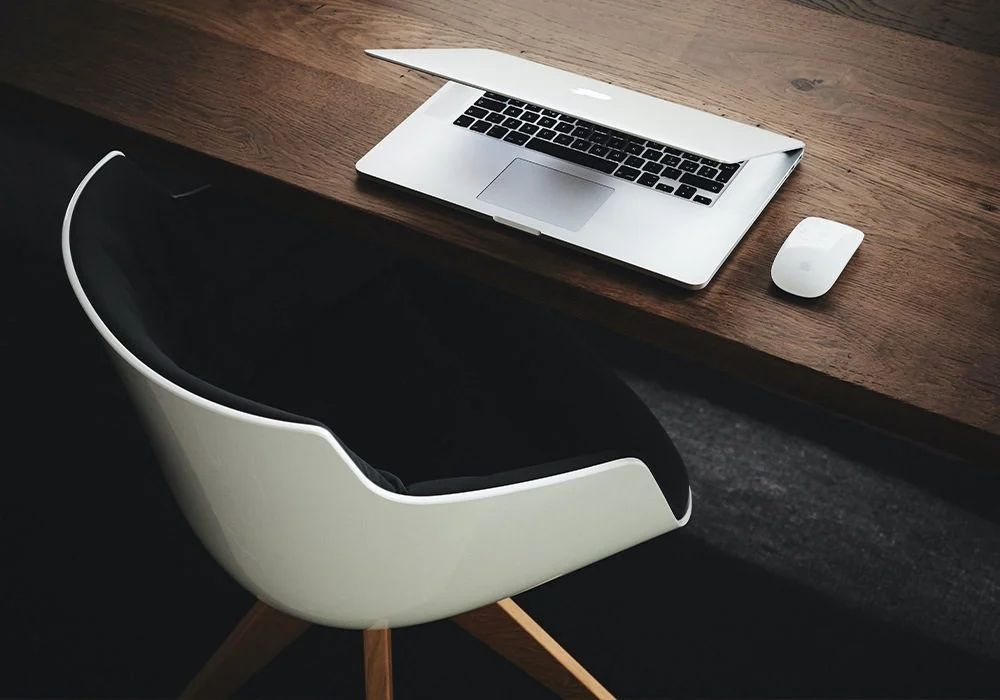
In many workplaces, taking breaks can be seen as unproductive. However, being at your desk doesn’t equate to achieving results. Often, you might find yourself staring blankly at a screen, stuck in a cycle of re-reading the same text. While you may be present, real productivity is lacking.
Working in focused sprints is far more effective. The Pomodoro Technique recommends 25 minutes of concentrated effort followed by a five-minute break. The exact duration isn’t as significant as the intent behind it—work purposefully and rejuvenate regularly to maintain focus.
Make sure your breaks provide real mental recovery, avoiding mindless scrolling on social media. Use these moments to stretch, grab a drink, step outside, or shift your focus away from screens.
Regular breaks facilitate cognitive processing and rejuvenation, making a substantial difference in your productivity levels.
Stop Worshipping Busy
Filling your day with activity is easy; achieving meaningful results is a greater challenge.
Contemporary work culture often prizes visible busyness—meetings, calls, and constant updates—that can give the illusion of productivity without substantial results.
Instead of asking, “What can I accomplish today?”, shift to “What truly matters today?” This subtle switch can lead you to prioritize significant wins over minor, time-consuming tasks.
Before agreeing to another meeting or diving into tasks, assess their necessity and potential impact. Focus not on being busy but on being effective: recognize what tasks require your best effort and what can be delegated or omitted altogether.
Being busy may seem cost-effective, but producing genuine value is invaluable.
Email Can Wait

Email can be one of the most significant distractions; it often feels like work but can lead to constant reactivity to others’ priorities rather than focusing on your own objectives.
With the explosion of communication platforms, interruptions are more frequent than ever—a mix of emails, messages, and project updates competing for your attention.
To regain control, allocate specific times for checking and replying to emails. Try dedicating time mid-morning after tackling your primary task, another round post-lunch, and a final review toward the end of the day to address any urgent issues.
Limit unnecessary notifications, utilize filters, and organize your inbox effectively so tasks and priorities are easier to manage.
While striving for “inbox zero” can turn into a futile venture, maintaining “inbox control” is the true goal.
Use AI Without Letting It Use You
Artificial intelligence has altered the productivity landscape, often prompting questions about efficiency. Used correctly, AI can be a valuable asset, but misused, it may become another distraction preventing deeper thinking.
Leverage AI to summarize notes, structure ideas, draft preliminary versions, identify gaps, and generate options—utilizing it to enhance your productivity rather than relying on it entirely.
Always apply your own judgment when reviewing AI-generated content. Having a solid framework paired with your unique touch will significantly enhance the outcome.
Use AI to clear away the mundane aspects of your workload, creating more space for tasks that necessitate human discernment and innovation.
Sleep

Productivity begins not when you open your laptop, but the night before through responsible habits. Quality sleep is foundational, impacting focus, memory, mood, and critical decision-making.
Strive for consistency in your sleep schedule—aim to wake and sleep at the same times daily. Ensure your sleep environment is conducive to rest: keep it dark, cool, and quiet while avoiding electronic distractions.
Establish a calming wind-down routine to signal to your body that it’s time to relax, such as reading, stretching, or jotting down the next day’s priorities to prevent your mind from racing as you try to sleep.
For those working from home, short naps can enhance midday productivity, but keep them brief to avoid disorientation.
Regardless of how sophisticated your productivity methods are, they won’t be effective without proper rest.
Make Meetings Earn Their Place
Meetings are notorious for stifling productivity, often devolving into lengthy discussions with little to show for it. Yet, not all meetings are futile; effective ones resolve issues and drive decisions.
Before agreeing to any meeting, ask essential questions about its purpose, attendees, decisions to be made, and agenda. If there’s no clear rationale, that meeting is likely unnecessary.
Status updates are typically better conveyed in writing, while brief queries can often be handled asynchronously. Anything requiring discussion should have a designated leader, a clear agenda, and an expected outcome to ensure efficiency.
Short, focused meetings save time and resources. Start promptly, keep them on track, and find the courage to decline unnecessary meetings confidently.
Eat The Frog

Mark Twain famously noted that if you tackle your most challenging task first thing in the morning, the rest of your day becomes more manageable. This ‘frog’ is the task you most want to avoid—the difficult email, significant proposal, or challenging conversation that propels progress but feels daunting.
Many mistakenly fill their mornings with trivial tasks like replying to easy emails or performing administrative chores, which provides the illusion of productivity but often serves as procrastination.
Brian Tracy popularized the concept of “eating the frog” in his time management guide. Focus on your most valuable task and complete it early before distractions deflect your attention.
Conquer the frog first, and you’ll feel a sense of accomplishment that carries through the day.
Control Your Calendar Before It Controls You
Your calendar can either work for you or against you. Without conscious effort, it can easily become a cluttered space filled with others’ priorities rather than your own.
Start by blocking off time for significant work—not just meetings. Prioritize tasks like strategy development, writing, or creative planning during your peak hours while saving lower-value tasks for times when your energy is lower.
Batch meetings together when possible and create blocks of uninterrupted time. Ensuring some open space in your calendar allows for flexibility, preventing your day from feeling like an unending sprint.
Your calendar should reflect your priorities, not merely those of colleagues or clients. Regaining control over your schedule will enhance your productivity significantly.
Prepare The Night Before

A productive day often starts the night before. Spend just five minutes assessing priorities for the following day, clearing your workspace, shutting down irrelevant tabs, and creating a tangible list of immediate tasks.
James Clear’s “Atomic Habits” emphasizes how environment design can facilitate good habits. For instance, layout your gym clothes for a workout or place a book nearby to encourage reading. A well-arranged workspace sets you up for success.
Preparation may not attract media attention, but it’s an essential practice that yields results.
Single-Task Properly
Though multitasking may seem impressive, it often leads to subpar results. Flitting between various responsibilities—like answering emails while listening to a meeting—typically diminishes the quality of your work.
The brain doesn’t transition seamlessly between tasks; instead, it incurs a mental tax each time it switches gears. This erratic focus can lead to exhaustion without real progress.
Single-tasking, while less glamorous, is much more effective. Zero in on one task, minimize distractions, and dedicate your full attention until it’s completed or the allocated time ends.
This approach doesn’t necessitate a silent work environment all day, but it does encourage your most valuable tasks to receive the full force of your focus.
Separate From Your Phone
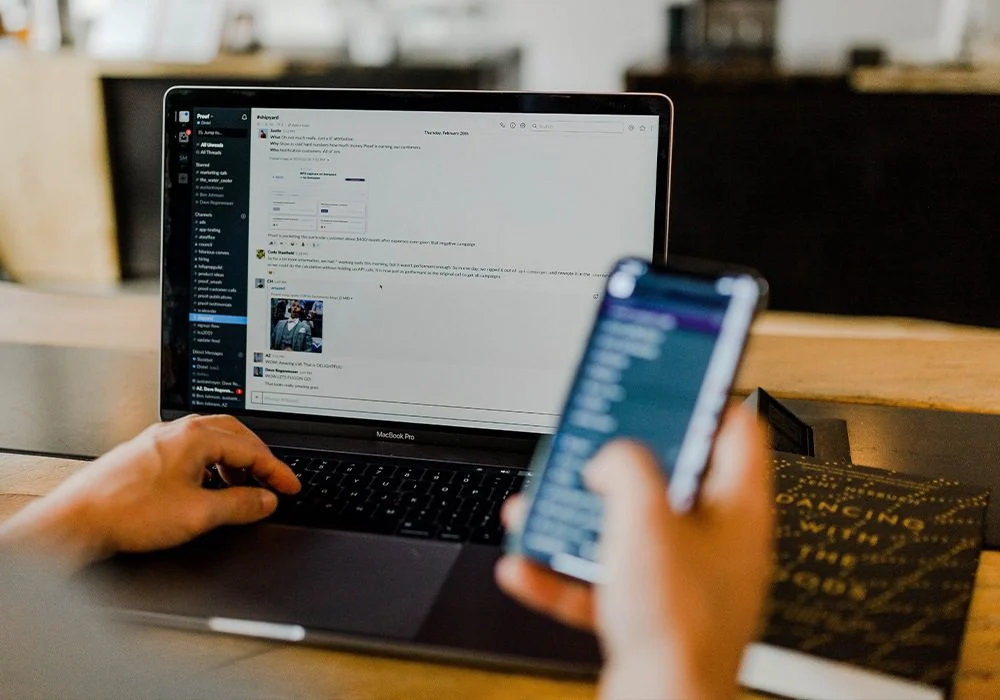
It’s crucial to remember that you are not your phone; you can survive over short periods without constant access to it. Modern smartphones can drain our time and attention, cleverly designed to ensnare us in an endless cycle of notifications.
To improve productivity, keep your phone out of reach—ideally in another room or at least turned off. If necessary, set exceptions for essential calls, but don’t allow your attention to be hijacked by trivial notifications.
Consider switching off your phone during significant tasks; the world will indeed continue turning without your active input for a while.
Reducing your phone’s influence fosters awareness of the value of your attention and encourages a more thoughtful approach to productivity.
Review Your Week
Many individuals focus solely on daily productivity, asking what tasks need to be prioritized each day. While this is useful, it limits the broader perspective necessary for genuine improvement.
Allocating time for a weekly review allows for pattern recognition that may otherwise go unnoticed. Consider what tasks have been consistently postponed, which tasks extended beyond expected time frames, what generated significant value, and what consumed time with little reward.
Reserve 20 minutes at week’s end for reviewing accomplishments and evaluating the week ahead; clarifying priorities before Monday arrives will set a strong foundation for the upcoming week.
This process isn’t about rigorous self-critique but rather understanding your own work patterns and making mindful adjustments for the future.
The weekly overview is where effective productivity transforms from a series of hacks into a continuous feedback loop that can enhance subsequent weeks.
Optimise Your Environment

Your workspace significantly impacts productivity, but overthinking its design can lead to procrastination. A few basic adjustments can make a substantial difference—ensure adequate natural light, fresh air, supportive seating, and a clutter-free environment.
The quality of air, light, and sound can all influence your productivity levels. If possible, open a window for fresh air or position your workspace near natural light. If noise is an issue, investing in quality headphones can be beneficial.
The aim is to cultivate an environment that quietly facilitates focus rather than one that distracts you from completing important work.
Focus on making small improvements to your current workspace rather than aspiring to create an idyllic office space, as these incremental changes can lead to considerable gains over time.
Build A Shutdown Routine
One common reason work spills into the evening is the absence of a proper conclusion to the workday. Most people end their work taken with them, leading to a mental checklist of unfinished tasks that can disrupt relaxation time.
A shutdown routine offers a clean break at the end of the day. This could be as simple as reviewing your achievements, noting unresolved matters, selecting the first task for tomorrow, and clearing your workspace.
This is especially critical for remote workers, as a clear delineation between work and personal time can improve overall well-being.
Establishing a short, consistent closing routine signals to your brain that the workday is complete, allowing you to engage in your evening activities with a clearer mind, reducing the temptation to reopen your laptop late at night.
This boundary is essential for maintaining a healthy work-life balance.
Stand Up

Sitting for prolonged periods is unnatural for most human bodies. Many experience fatigue and discomfort by day’s end simply because they remain stationary for too long.
Frequent movement is essential, and it doesn’t require you to become an evangelist for standing desks—just stand every 20 to 30 minutes, stretch, and walk around while on phone calls.
Attention to posture is crucial; ensure your screen is at eye level and avoid slumping into a posture that could adversely affect your body mechanics.
Regular movement supports better breathing and increased alertness, helping avoid the mid-afternoon slump. Setting reminders or placing your water bottle out of reach can encourage you to get up consistently.
Such small, sustained changes contribute to your overall productivity and well-being.
Use Templates And Systems
If you’re repeating a task more than twice, it likely warrants a template. This doesn’t mean creating an elaborate productivity system but instead streamlining processes to avoid redundancy.
Templates are incredibly effective for consistent tasks, from email replies to project outlines and meeting agendas. If a structure emerges consistently, establish a template to lessen the retracing steps.
Implement simple systems for document organization, project initiation, and idea capture. The fewer minor decisions you need to make regarding admin tasks, the more mental space you’ll have for complex work.
Ensure that systems remain straightforward; if a setup becomes overly intricate, it defeats its purpose. The best systems provide seamless support and remove friction.
Efficient systems work quietly in the background, helping to save time and reduce oversight while freeing up cognitive resources for more thoughtful endeavors.
Manage Your Energy, Not Just Your Time

While time management garners much attention, energy management often yields even greater dividends. Not every hour yields the same productivity; an energized mind early in the day isn’t on par with one that’s fatigued later.
Recognizing that some tasks—creative thinking, decision-making, and strategic planning—require maximum cognitive capability, allocate your most demanding tasks during high-energy periods while leaving lower-stakes tasks for less energetic times.
Eat nourishing meals, stay hydrated, and maintain regular movement to ensure you’re operating at full potential. Avoid overextending yourself during productivity dips, as this can lead to burnout rather than accomplishment.
The objective is not to constantly squeeze work into every moment but to harness your best energy for tasks that genuinely merit it. This approach is what defines true productivity.