Whole Wheat Versus Refined Flour: Nutritional Insights
Chicago (July 1, 2024) — A recent study has highlighted significant differences in the nutritional content of whole wheat compared to refined flour, marking a crucial assessment of how milling and baking affect nutrient composition from farm to table.
While traditional research has focused on nutrients within crops or food products, this study effectively tracks nutrient changes throughout processing and baking stages.
Key Findings:
- Nutrient Loss: Major minerals saw a nearly 75% reduction in refined flour and breads, with vitamin E levels also significantly decreased during processing.
- Researcher Insights: David Killilea, PhD, from the University of California, emphasized the importance of tracking nutrient content to evaluate agricultural products’ dietary contributions. The study demonstrates how milling and baking significantly alter nutrient levels.
Killilea will present the findings at NUTRITION 2024 during the American Society for Nutrition’s annual meeting.
Nutritional Value of Whole Wheat
Despite guidelines recommending that whole grains make up at least half of grain consumption, many individuals do not meet this standard. The research stresses the necessity of a diet rich in whole grains.
Highlighting Whole Grains’ Importance:
Killilea stated, “Whole grains play a vital role in the Western diet.”
Study Methodology
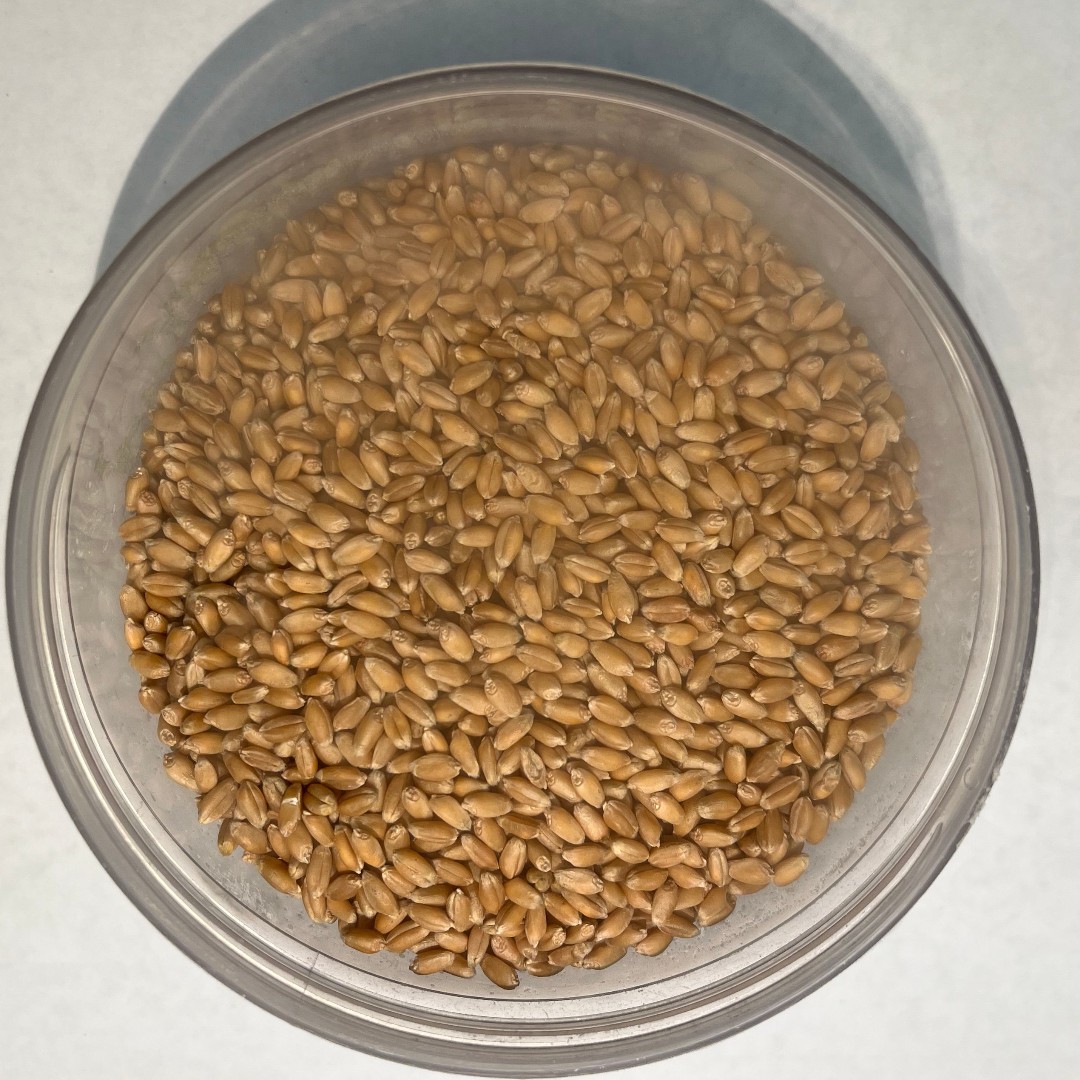
Researchers processed raw wheat kernels from one farm into three flour types:
- Intact whole wheat flour (stone-milled)
- Reconstituted whole wheat flour (roller-milled)
- Refined white flour (bran and germ removed)
Nutritional assessments included major and trace minerals, carotenoids, and vitamin E.
Findings on Nutritional Retention:
- Whole wheat flour retained major minerals from kernel to flour to bread.
- Refined flour led to up to 72% loss of major minerals and 64% of trace minerals.
- All flour types exhibited vitamin E and carotenoids losses during baking, with even whole wheat products suffering significant nutrient depletion.
Future Directions
The research team plans to investigate how various farming and processing methods may affect the nutrient density of wheat products, focusing particularly on preserving vitamins A and E.
Killilea will present detailed findings during a session scheduled for 2:12-2:24 p.m. CDT on July 1.
About NUTRITION 2024
This flagship meeting of the American Society for Nutrition (ASN) serves as a premier educational event for nutrition professionals globally, featuring solutions to pressing nutritional challenges and opportunities for emerging leaders in the field.
Find out more about the conference here.
About ASN
Founded in 1928, ASN connects top nutrition researchers, medical practitioners, and policymakers to enhance knowledge and practical applications in nutrition. Explore more at ASN’s website.