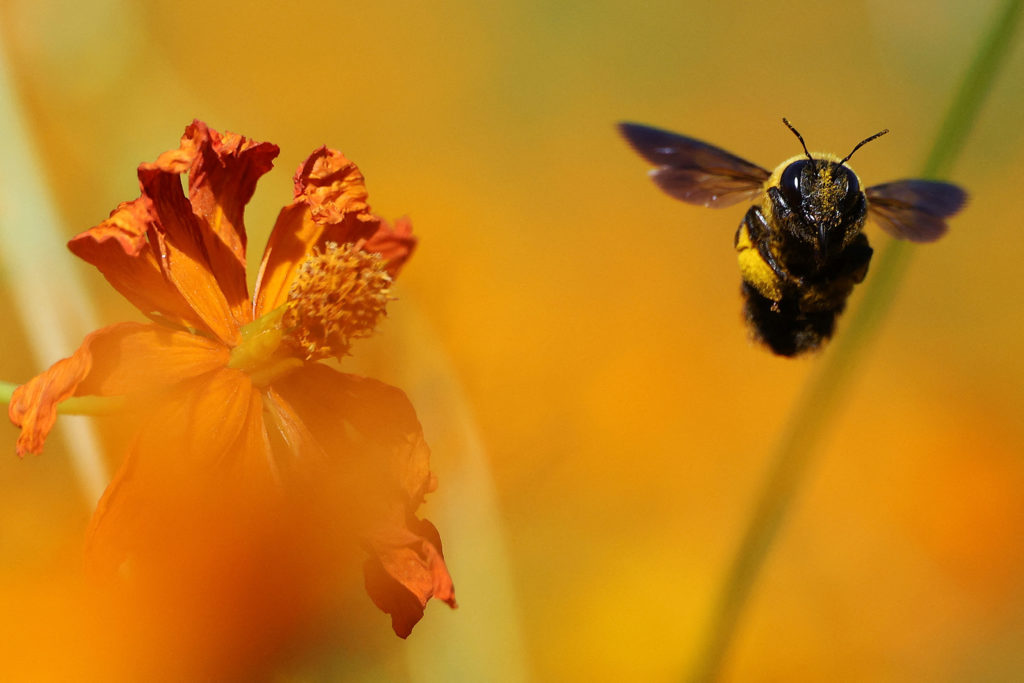
Honeybees and Their Unique Roles in the Hive
New Research on Queen Cell Builders
Scientists have recently discovered a specialized group of worker honeybees dedicated to constructing the queen’s waxy cells within the hive. These worker bees play vital roles, including gathering food, nurturing young bees, and caring for the queen, who is responsible for laying all the eggs.
The study reveals that these specific worker bees effectively “run a fever,” helping to melt and blend unique chemicals into the wax used for building queen cells. This research, led by scientists and published in the journal Nature, presents a notable shift in our understanding of hive dynamics.
Key Findings
-
Specialization: The newly identified bees are younger and exhibit unique genetic expression patterns optimal for crafting queen cells. The resulting peanut-shaped cells are made of a softer wax with a higher melting point than the wax used for worker cells.
-
Environmental Impact: Traditionally, it was believed that diet—specifically the royal jelly fed to the queens—was the primary factor influencing queen development. However, this research suggests that the environment, particularly the type of wax used in the cells, plays a crucial role as well. Specifically, queens raised in worker wax had poorer growth and survival rates compared to those raised in queen wax.
-
Rewrite of Old Beliefs: Kai Wang, a co-author, indicated that this research challenges the long-held belief in the mantra “you are what you eat.” The new finding adds an important layer: “you are where you live, too.”
Future Research Directions
This discovery opens up new questions about the chemistry involved in queen cell construction and the specific compounds that may affect queen development. Understanding these factors will provide deeper insights into the organization and functionality of bee colonies.
Honeybees are vital for pollinating crops like blueberries, squash, and almonds, making this research significant not just for understanding bee biology, but for agriculture as well. Further investigations will continue to reveal the intriguing lives of these specially adapted worker bees.