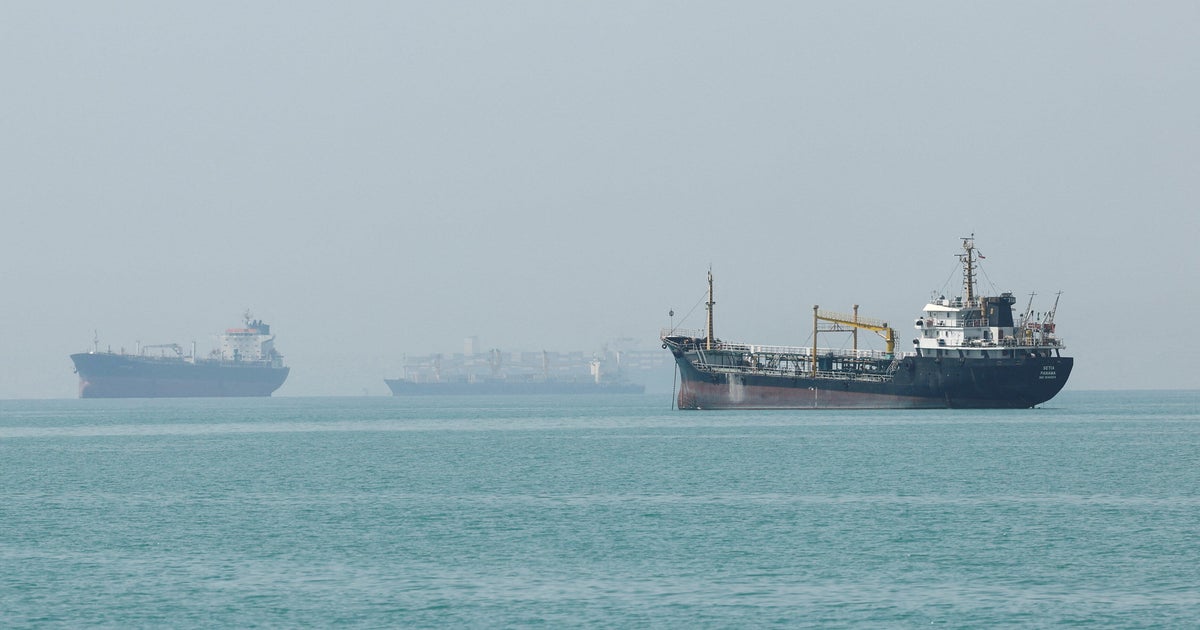
The ongoing tensions in the Strait of Hormuz have drawn international attention, particularly regarding maritime security. Recently, Secretary of State Marco Rubio expressed concern over a pending United Nations Security Council resolution aimed at addressing these escalating threats. This article delves into the details of the resolution and its potential implications for global trade and security.
UN Security Council Resolution Overview
Secretary of State Marco Rubio stated on Friday that it “would be lamentable” if a United Nations Security Council resolution concerning the Strait of Hormuz failed to pass, adding: “Let’s see if the United Nations still works.”
Purpose of the Resolution
The draft resolution, proposed by Bahrain, urges Iran to cease its attacks and threats against vessels navigating the strait and to halt aggression against Persian Gulf states. It also addresses the issue of sea mines in this crucial waterway, along with Iran’s attempts to impose tolls on commercial ships using the strait.
Support for the Resolution
Prior to a NATO foreign ministers’ meeting in Sweden, Rubio noted that the draft resolution has received “the highest number of co-sponsors of any resolution ever” within the council, which is charged with maintaining international peace and security through legally binding resolutions.
Challenges Ahead
Rubio expressed that a few member countries on the Security Council are considering vetoing the resolution, stating, “Unfortunately, a couple of countries on the Security Council are thinking about vetoing it. That would be lamentable.”
Previous Attempts
A similar resolution drafted by Bahrain was vetoed last month by China and Russia, both of which can unilaterally block proposals, alongside the U.S. and the other two permanent members of the council.
Efforts for Consensus
“We’re doing everything we can to achieve the global consensus necessary to prevent this from happening,” Rubio remarked. He also mentioned that “almost every country represented here today” has co-sponsored the resolution, suggesting that “I don’t know of anyone in the world who should be in favor of a tolling system in an international waterway.”
Response from Iran
Iran’s Ambassador Amir Saeid Iravani stated in early May that the draft was “deeply flawed, and one-sided.” He argued that a true resolution to the crisis in the strait requires an end to the U.S.-Israeli conflict with Iran and the cessation of the blockade on Iranian ports and vessels.
Key Takeaways
- The UN resolution targets Iran’s threats towards vessels in the Strait of Hormuz.
- It has received unprecedented co-sponsorship from member nations.
- A few countries are considering vetoing the resolution.
- A previous similar draft was vetoed by China and Russia.
- Iran’s response indicates a denial of the resolution’s validity.
- Broader consensus is sought to address maritime security in international waters.
FAQ
What is the main objective of the UN resolution?
The resolution aims to compel Iran to stop its attacks on vessels in the Strait of Hormuz and halt its threats against Persian Gulf states.
Why was a similar resolution vetoed last month?
China and Russia vetoed the previous resolution, citing concerns over its implications and perceived biases.
What are the potential impacts if the resolution is not passed?
If the resolution fails, there may be continued threats in the Strait of Hormuz and possible disruptions to international shipping routes.
In conclusion, the ongoing discussions surrounding the UN resolution emphasize the critical nature of maritime security in the Strait of Hormuz. As nations work to find consensus, the stakes remain high for global trade and regional stability.