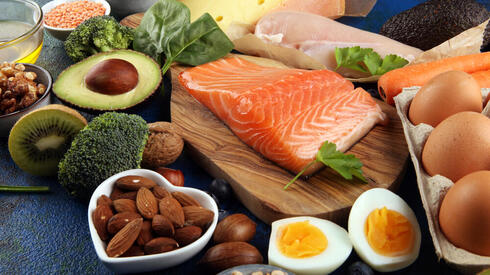
In our quest for healthier lifestyles, protein has taken center stage. It’s found in breakfast cereals, snacks, dairy products, beverages, and even bread. This trend has transformed protein into a booming industry filled with fortified products, social media influencers, and a pervasive sense of nutritional anxiety. But the question remains: how much protein do we actually need?
According to Dr. Sigal Frishman, chief dietitian for Clalit Health Services hospitals, the truth is less dramatic than marketing campaigns suggest.
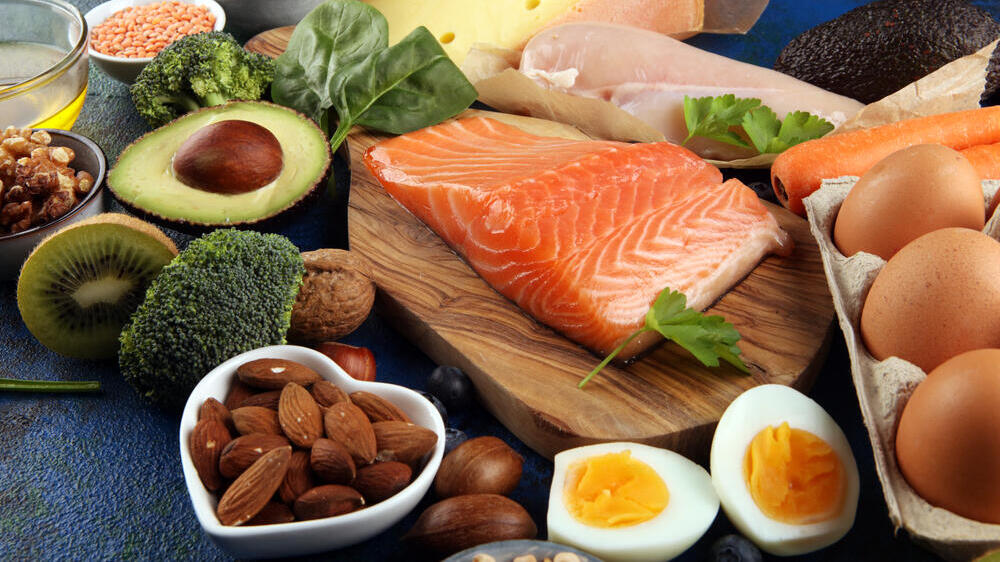
“The guideline suggesting a 25-gram protein intake post-workout is primarily for athletes trying to enhance their muscle mass,” Frishman explains. “Although everyone should include protein in their diet, it doesn’t have to be consumed immediately after exercising.”
She also pointed out that the notion of a strict “window of opportunity” after exercising has been debunked, even among athletes.
“Protein intake should be based on daily requirements rather than timing,” she said. “Currently, protein is the focus. Previously, it was fiber; before that, it was about consuming a variety of colorful vegetables. We must recognize that our bodies require a balanced intake of nutrients.”
For healthy individuals, exceeding the recommended protein intake is usually harmless, according to Frishman, although it is generally unnecessary.
“A healthy person is unlikely to suffer from excessively high protein intake,” she stated. “However, there’s no justification for protein overload, as the body will utilize what it needs and eliminate the rest. For individuals with kidney conditions, high protein consumption could be detrimental.”
Frishman elaborated that the body does not retain excess protein beneficially; it can only store surplus calories as fat.
2 View gallery
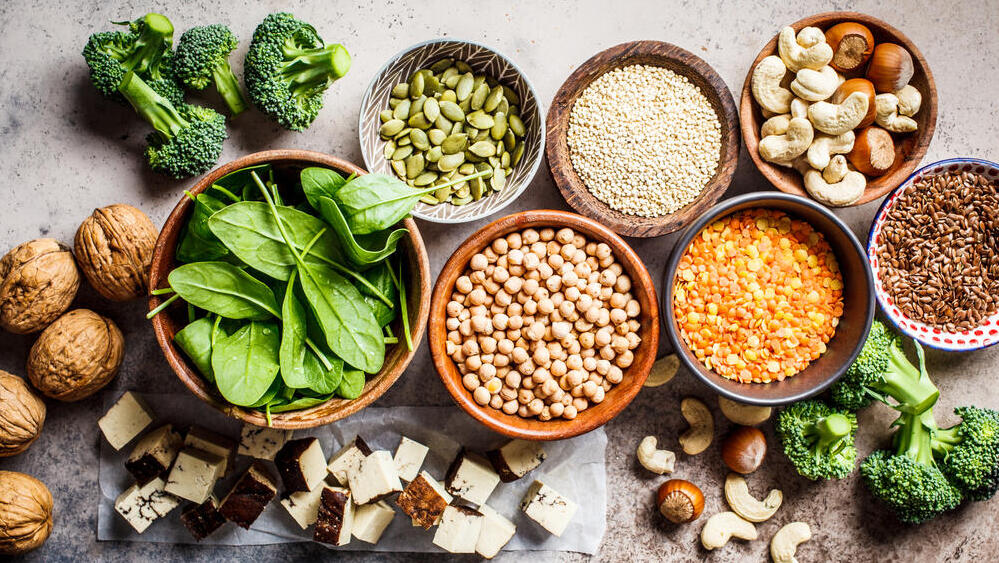
The body does not store excess protein in any useful way
(Photo: Nina Firsova/Shutterstock)
“So, consuming more protein than necessary doesn’t provide any real benefits,” she stated.
Frishman urged caution regarding the misconception that all protein-rich foods are equally nutritious.
“The body doesn’t differentiate between the source of protein, be it from processed items, like protein bars, or natural sources, such as steak or eggs,” she remarked. “However, consuming whole foods like lentils provides numerous additional nutrients. In contrast, protein bars generally offer little more than protein and are thus not recommended. It’s wiser to derive protein from diverse sources.”
Prof. Danit Ein-Gar from Tel Aviv University highlighted that protein has become a highly competitive segment in the food market.
“The protein category is experiencing intense competition,” she noted. “Initially, the focus was on eliminating preservatives, followed by the rise of probiotic products, and now it’s all about protein.”
According to Ein-Gar, the trend has expanded from yogurts and protein powders to include cereals, snacks, and other staple foods.
“This trend fosters competition and draws consumers towards products because of their enhanced protein content,” she remarked. “We are witnessing a steady increase in protein amounts in products, now reaching up to 40 grams in some instances.”
According to her, this growing interest is linked to a consumer base that prioritizes fitness, wellness, and longevity.
“The wellness industry has become a status symbol, but I believe it’s evolving positively,” Ein-Gar said. “It’s not solely about status; it reflects changing perceptions. People now view their bodies as systems that need preservation and care, which relates to the concept of longevity.”
She emphasized that longevity is about taking proactive steps to lead a long and healthy life.
“The most encouraging aspect is that consumers have undergone a sort of education,” she concluded. “People are increasingly aware that their dietary choices have lasting effects.”


