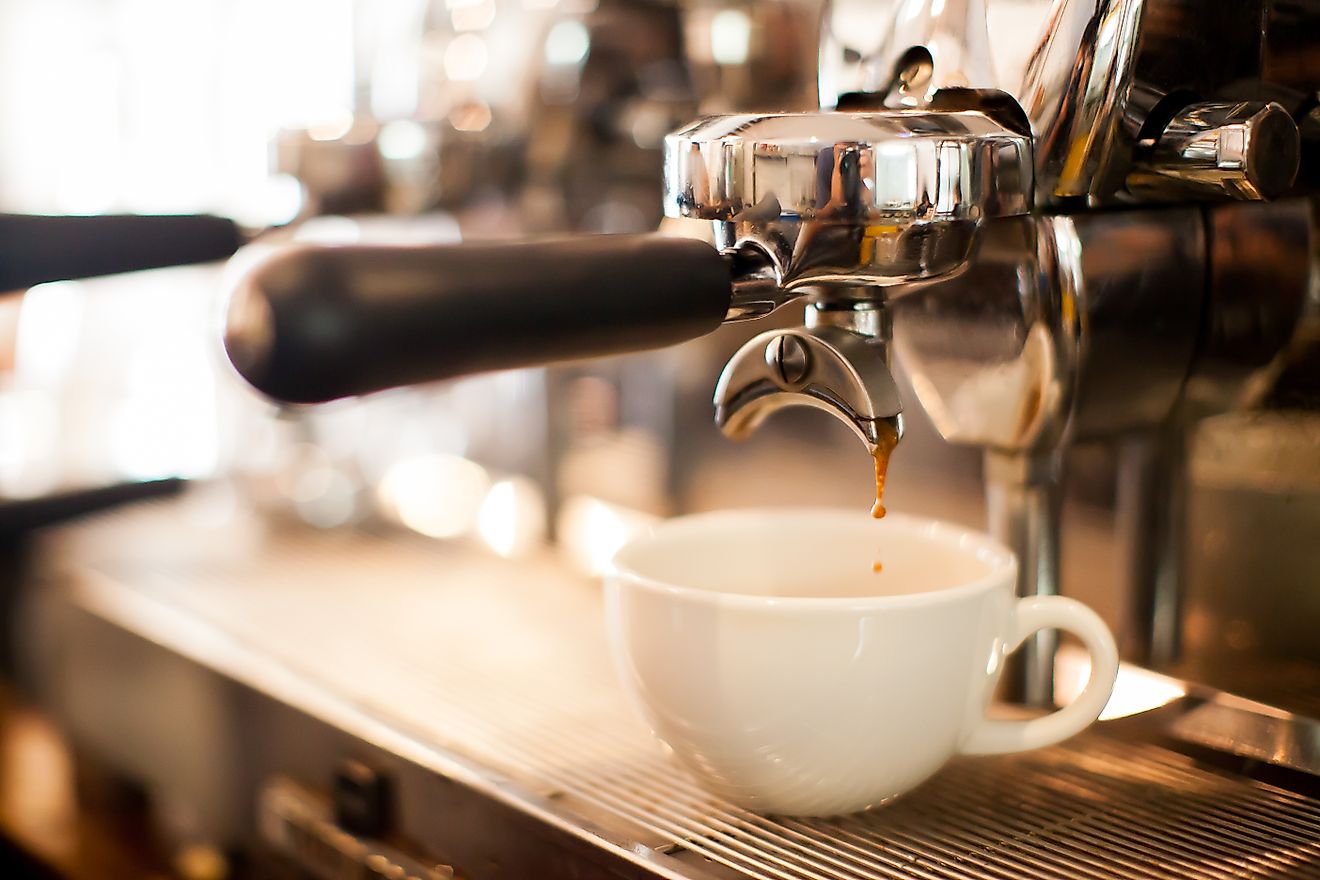
In the world of coffee consumption, Northern Europe, particularly the Nordic countries, leads the charge with remarkable per capita numbers. Finland stands out as the frontrunner, where coffee has been integrated into daily life for centuries. The journey through the continent reveals some fascinating facts about coffee culture and consumption patterns that both enthusiasts and casual drinkers will appreciate.
1 – Finland: about 26 lbs per capita

Finland continues to lead globally with a per capita consumption of approximately 26 to 29 pounds (12 to 13 kg) per person yearly. According to a 2025 Cafely dataset, the average Finnish adult consumes about 3.77 cups daily. This national number is somewhat skewed by including children; Finnish adults typically drink between four to nine cups, especially during workdays. Coffee breaks, known as kahvitauko, are a staple in many Finnish workplaces, while social visits often include a kahvipöytä, featuring sandwiches, cookies, and multiple servings of kahvia. Traditional Finnish coffee is a light roast variant similar to Turkish coffee, and both light and darker roasts see popularity in urban areas like Helsinki and Tampere. If invited to a Finnish home, be prepared for a hot pot of coffee—decaffeinated options are quite rare in the region.
2 – Norway: about 22 lbs per capita

Norway ranks second in the world, with approximately 22 pounds (10 kg) of coffee consumed per person each year, translating to an average of about 2.57 cups daily. Coffee initially gained popularity among the affluent in the early 18th century, particularly during the union with Denmark. Commonly, coffee is enjoyed black at breakfast and during dessert. About 80 percent of Norway’s 5.6 million residents partake in coffee, with many consuming four or more cups daily. In more rural areas, look out for karsk, a unique cocktail of weakly brewed coffee mixed with moonshine, sometimes ignited to dissipate some alcohol—a true Trøndelag tradition.
3 – Iceland: about 19 lbs per capita

With a per capita consumption of about 19 pounds (9 kg) annually, Iceland ranks high in global coffee consumption. Interestingly, major American coffee chains have not made significant inroads here; as of 2026, there are no Starbucks locations in Iceland. Instead, Reykjavík’s vibrant café scene is composed of independent roasters and shops, creating a competitive atmosphere relative to its small population of around 400,000. The national barista championship leads into the World Barista Championship circuit, demonstrating the country’s high-quality coffee craft. Coffee serves as an all-day staple, typically accompanying social visits, work meetings, and leisurely conversations.
4 – Denmark: about 17 lbs per capita

Denmark has a coffee consumption rate of approximately 17 to 19 pounds (8 to 9 kg) per person per year, with café prices ranking among the highest globally. As of 2025, a typical café cup costs around $5.40, reflecting the high cost of living. Coffee is integral to every meal and is often central to special occasions, accompanied by various treats. The concept of hygge, which represents comfort and a cozy atmosphere, is integral to Danish coffee culture. Notably, brands like Coffee Collective and Prolog are making waves in specialty coffee on a global scale, with their baristas consistently competing internationally.
5 – Netherlands: about 18 lbs per capita

Historically, the Dutch were the first Europeans to cultivate coffee, starting with live trees brought from Yemen in 1616. With an average of 2.4 cups consumed daily per person, Dutch coffee culture thrives beyond just the iconic coffee shops of Amsterdam. The home ritual of Koffietijd, or Coffee Time, is a cherished daily event. Regional variations exist based on historical religious affiliations, with coffee served differently in Protestant and Catholic areas.
6 – Sweden: about 22 lbs per capita

Recent rankings have shown that Swedes consume about 22 pounds (10 kg) of coffee annually, with an average of 2.59 cups per day. The cultural concept of fika, akin to a coffee break shared with pastries, is central to Sweden’s coffee scene, observed in both workplaces and social settings. Specialty coffee has gained traction in cities like Stockholm and Gothenburg, with several roasters achieving international acclaim. While filter coffee remains a staple, espresso and single-origin pour-overs have also become increasingly popular in recent years.
7 – Switzerland: about 17 lbs per capita

Switzerland’s consumption hovers around 17 pounds (8 kg) per person annually, with a daily average of three cups. The invention of the Nespresso pod system and the popularity of drinks like caffè crema reflect the country’s innovative coffee culture. While espresso drinks outshine filter coffee, prices remain steep, costing approximately five to six US dollars per cup in 2025.
8 – Belgium: about 15 lbs per capita

Belgium enjoys a per capita coffee consumption of around 15 pounds (7 kg) annually, often paired with the country’s delectable chocolates. The connection between coffee and Belgium’s colonial past in Africa is notable, as coffee was extensively grown for export. Contemporary coffee culture encompasses numerous cafés that not only serve the drink but also harmoniously pair it with Belgium’s famed waffles.
9 – Luxembourg: methodology-dependent

Luxembourg’s coffee consumption appears varied based on how the figures are computed. Older data suggests a consumption rate of 14 to 15 pounds per capita annually, while newer estimates indicate even higher figures. These inflated numbers can be attributed to the influx of commuters who consume coffee during work hours in the country. Inside Luxembourg City, both traditional drip coffee and a burgeoning espresso culture are noticeable, featuring local specialties like lait russe and café gourmand.
10 – Canada: about 14 lbs per capita

Canada stands as the sole non-European country in the top ten for per capita coffee consumption, averaging about 14 pounds (6.35 kg) per person annually. Coffee is the leading beverage among Canadian adults, surpassing tea and bottled water. Tim Hortons remains the country’s primary chain, although independent specialty roasters have proliferated in cities like Toronto and Vancouver. Cold weather and long winters are often cited as contributing factors to Canada’s high coffee consumption, with a rising demand for cold brew and iced beverages.
Top 25 Coffee Consuming Nations
The table below utilizes the International Coffee Organization’s per capita consumption metrics (pounds per person per year). Rankings based on daily cup consumption from recent datasets, like Cafely 2025, may vary, especially due to commuter effects observed in regions like Luxembourg.
| Rank | Country | Coffee Consumption (lbs per person per year) |
|---|---|---|
| 1 | Finland | 26-29 |
| 2 | Norway | 22 |
| 3 | Sweden | 22 |
| 4 | Iceland | 19 |
| 5 | Denmark | 17-19 |
| 6 | Netherlands | 18 |
| 7 | Switzerland | 17 |
| 8 | Belgium | 15 |
| 9 | Luxembourg (residents only) | 14-15 |
| 10 | Canada | 14 |
| 11 | Bosnia and Herzegovina | 13.7 |
| 12 | Austria | 13.5 |
| 13 | Italy | 13 |
| 14 | Brazil | 12.8 |
| 15 | Slovenia | 12.8 |
| 16 | Germany | 12.1 |
| 17 | Greece | 11.9 |
| 18 | France | 11.9 |
| 19 | Croatia | 11.2 |
| 20 | Cyprus | 10.8 |
| 21 | Lebanon | 10.6 |
| 22 | Estonia | 9.9 |
| 23 | Spain | 9.9 |
| 24 | Portugal | 9.5 |
| 25 | United States | 9.3 |
The Coffee Industry Since 2020
Recent years have seen substantial changes in the coffee industry, impacting both consumption behaviors and prices. The COVID-19 pandemic led to a notable shift toward home brewing, resulting in record sales for espresso machines and other brewing equipment. This shift persisted even after cafés reopened. Additionally, cold brew coffee’s popularity surged in traditionally hot-coffee-loving regions, while plant-based milk options have become ubiquitous in major chains worldwide. On the supply side, natural disasters like the severe drought in Brazil in 2024 caused arabica coffee futures to rise dramatically, leading to increased consumer prices. Future projections indicate a significant reduction in areas suitable for arabica cultivation, prompting investments in more resilient coffee-growing practices.
Key Takeaways
- Northern Europe leads global coffee consumption per capita, with Finland at the forefront.
- Daily coffee habits vary, with many Nordic countries embracing multiple cups throughout the day.
- Independent coffee shops thrive in places like Iceland, contrasting with the dominance of chains in North America.
- Specialty coffee is on the rise across these countries, with local competition driving quality.
- The coffee industry has faced supply challenges but continues to adapt to consumer trends.
FAQ
What is the top country for coffee consumption per capita?
Finland is the top country, with a consumption of approximately 26 to 29 pounds per person annually.
How much coffee does the average Canadian consume?
Canada’s average coffee consumption is about 14 pounds per person per year.
What role does coffee play in Nordic cultures?
In Nordic cultures, coffee is a significant part of daily life, often integrated into social gatherings and work breaks.