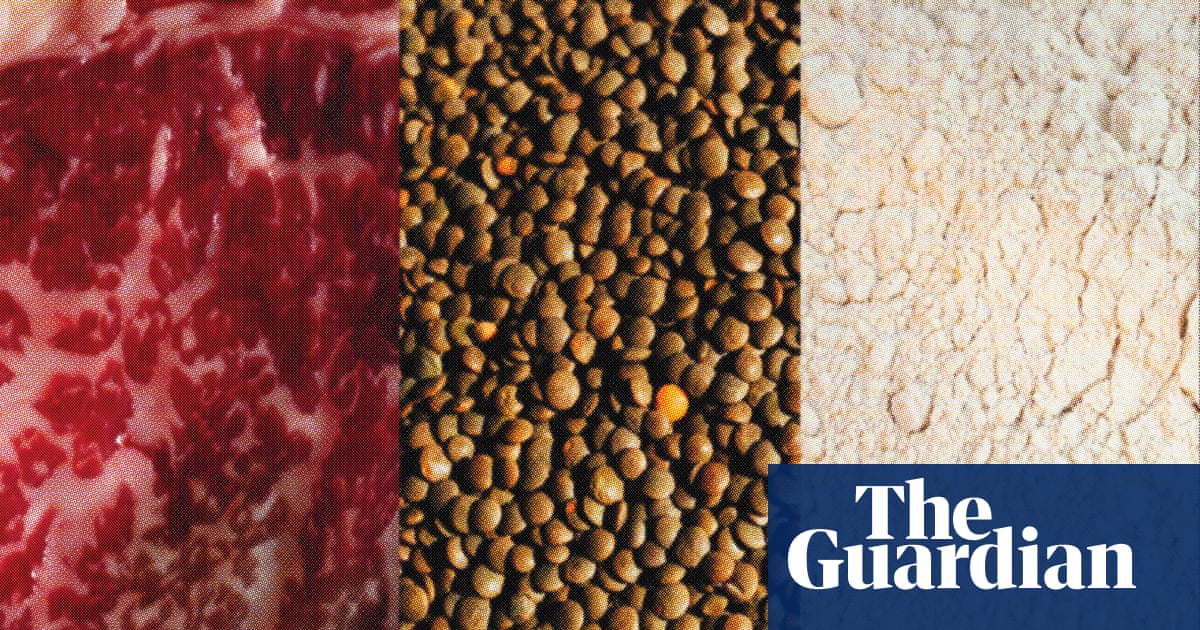
Do you worry about not consuming enough protein? Debbie Fetter, an associate professor of nutrition at the University of California, Davis, often poses this question to her students. In a lecture hall with over 500 attendees, “nearly every hand goes up,” she observes.
Protein is a significant concern for many consumers. A 2024 survey of 3,000 Americans indicates that most individuals are striving to increase their protein intake. Additionally, studies have shown that products marketed as “high in protein” attract consumer interest.
As awareness about protein sources grows, many people may question which options are superior.
“A diverse range of protein sources is beneficial,” recommends Andrea Glenn, an assistant professor of nutrition at New York University. Here’s how to align your dietary needs and preferences while ensuring adequate nutrient intake for optimal health.
What is Protein and Why is it Important?
Protein plays a crucial role in building and repairing tissues, as well as producing enzymes, hormones, and antibodies that bolster the immune system. Comprised of smaller units called amino acids, the body utilizes 20 amino acids for its functions—11 of which the body can synthesize, while the remaining nine must be acquired through diet.
The new U.S. dietary guidelines suggest adults consume 1.2-1.6 grams of protein per kilogram of body weight each day, an increase from the previous recommendation of 0.8 grams per kilogram. However, some experts argue this revision may be unnecessary and could lead to less balanced diets.
Simply increasing protein intake doesn’t necessarily correlate with gains in muscle or lean mass, warns Fetter.
Inadequate protein can lead to muscle wasting, anemia, and reduced metabolic rates, while excessive protein intake can burden the kidneys, remarks Nicole Stob, an assistant teaching professor of integrative physiology at the University of Colorado, Boulder.
Why is it Important to Consider Protein Sources?
“Different times call for different protein choices,” states Fetter. The optimal selection truly depends on individual dietary preferences and requirements.
One rationale for varying protein sources is nutritional. “While protein is crucial, it’s not the sole nutrient of significance for health,” remarks Glenn.
Protein sources can also provide crucial nutrients such as fiber, vitamins, and minerals. Glenn emphasizes the advantages of obtaining protein from whole foods over highly processed alternatives.
The environmental argument also stands out. Plant proteins generally carry a lower carbon footprint compared to animal proteins, especially beef. A 2024 study found that reducing red meat consumption from four times to twice a week can minimize your carbon impact while also improving longevity.
Beef
Protein Content: The protein levels in various cuts of beef differ. For instance, USDA data reveals that a 3oz serving of ground beef delivers approximately 22.2g of protein, whereas 3oz of beef shank cross-cuts contains around 28.6g.
Additional Nutritional Benefits: Beef is a nutrient-rich, complete protein source. Complete proteins supply all essential amino acids that the body cannot synthesize. Examples of complete proteins include meats and tofu.
Research suggests that moderate consumption of lean beef as part of a balanced diet may not heighten the risk of heart disease, while still providing key nutrients such as omega-3 fatty acids, vitamin B12, niacin, zinc, and iron.
Drawbacks: Concerns around beef often relate to its potential high cholesterol and saturated fat content. The Cleveland Clinic notes that there’s no definitive guideline on how much red meat is advisable to consume, though moderation is likely best.
The American Heart Association advises opting for beef marked as “lean” or “extra lean,” as these varieties typically have reduced levels of fat, saturated fat, and cholesterol. Conversely, “prime” cuts are likely to be fattier.
Pork
Protein Content: A typical ounce of beef, chicken, or pork offers around 7g of protein. For instance, according to USDA data, pork ham provides 19g of protein per 100 grams, while pork chops deliver 26.6g of protein for the same weight.
Other Nutritional Benefits: Fresh pork is frequently characterized as a high-quality, low-cost protein. Additionally, it’s rich in B-complex vitamins and vital minerals like zinc and iron.
A 2025 study found that consuming lean pork protein post-exercise helped reduce muscle soreness and inflammation, especially compared to plant proteins, likely due to its higher levels of creatine and amino acids.
Drawbacks: Many popular pork products are processed items like bacon and ham, which are associated with a heightened risk of heart disease, certain cancers, and type 2 diabetes. The World Health Organization categorizes processed meat as “probably carcinogenic to humans.”
Chicken
Protein Content: Depending on the cut, cooked chicken generally contains 23-31g of protein per 100g (3.5oz).
The protein amounts in chicken are on par with other meats. For example, 100g of cooked sockeye salmon has 26.5g of protein, while 100g of skinless, boneless chicken breast contains 29.5g of protein, and 100g of tenderloin steak holds 21g of protein.
Other Nutritional Benefits: A 2023 study from Purdue University indicates that lean, unprocessed chicken is a healthy source of protein, supplying essential nutrients such as potassium, iron, and B vitamins.
Drawbacks: The nutritional value of chicken can be influenced by preparation methods. While lean, unprocessed varieties are beneficial, processed chicken is often high in sodium, and chicken skin can contribute to saturated fat.
Fish
Protein Content: According to Johns Hopkins Medicine data, one ounce of fish yields around 7g of protein. However, certain fish varieties may vary slightly in their protein content. USDA data shows that one fillet of raw tilapia provides about 23.3g of protein, while one fillet of raw cod contains around 17.7g.
Other Nutritional Benefits: Fish is rich in omega-3 fatty acids, vitamin D, B12, iodine, selenium, potassium, and lean protein. Compared to other animal protein sources, fish generally has lower levels of saturated fat. Health authorities recommend consuming two to three servings of fish weekly for these benefits.
Drawbacks: While fish is a consistent and reliable protein source, “the main downside is cost,” notes Stob. Canned fish often provides a more budget-friendly option than fresh varieties.
Eggs
Protein Content: A large whole egg contains around 6.2g of protein, as per USDA data. The protein content remains fairly consistent regardless of cooking method.
The yolk contributes approximately 2.7g of protein, while the egg white has about 3.6g of protein. Egg protein has been shown to support muscle health and may help curb appetite.
Other Nutritional Benefits: Eggs offer a nutrient-dense source of energy comprising protein, fat, and various B vitamins. They are also rich in vitamin E, iron, zinc, and magnesium.
The protein found in egg whites is considered “high-quality” due to its digestibility, as well as being low in fat, cholesterol, and calories, according to Fetter.
Drawbacks: A large egg yolk contains about 186mg of cholesterol. Some experts recommend moderating egg consumption. However, more recent research suggests that dietary cholesterol from eggs does not significantly increase the risk of heart disease. According to the Mayo Clinic, most individuals can safely consume up to seven eggs per week without negative effects on heart health.
Beans
Protein Content: Beans come in various types, each with slightly different protein levels. For instance, a half cup of kidney beans contains roughly 8g of protein, while the same serving of refried beans offers about 6g.
Unlike animal proteins, beans are incomplete proteins, lacking some essential amino acids. However, pairing them with grains yields a complete protein, as explained by Stob.
Other Nutritional Benefits: Beans, which include lentils and peas as pulses, are nutritious foods that can reduce the risk of heart disease, diabetes, and certain cancers.
Beans offer more than just protein. Garbanzo beans, for instance, are rich in minerals, B vitamins, carbohydrates, and fiber. Their high fiber content is particularly beneficial: fiber helps lower cholesterol and stabilize blood sugar, prevents constipation, and aids in weight management.
“Beans might contain a bit less protein compared to some animal sources,” states Glenn, “but they also provide fiber, which is lacking in many Americans’ diets.”
Glenn’s research suggests that swapping red and processed meats for plant-based proteins can offer cardiovascular benefits. A separate 2021 study noted that a plant-rich, high-quality diet initiated in early adulthood may lead to lower risks of heart disease by middle age.
“The evidence shows that those who derive most of their protein from plants tend to have better health outcomes and body composition,” concludes Fetter.
Drawbacks: Individuals unaccustomed to consuming fiber-rich foods may experience digestive discomfort, such as bloating and gas. It’s advisable to introduce fiber gradually to help your body acclimate.
Lentils
Protein Content: A half cup of lentils contains about 9g of protein.
Other Nutritional Benefits: Lentils are rich in manganese, potassium, iron, fiber, and folate.
Like beans, lentils contain polyphenols, which are plant chemicals linked to antioxidant effects and reduced blood pressure. They are also lower in calories than animal proteins and are free from saturated fat.
Studies have shown a connection between lentil consumption and reduced incidences of diabetes, obesity, specific cancers, and heart diseases. Further research indicates that lentils can promote feelings of fullness and support weight management.
Glenn suggests incorporating lentils into meals such as meatloaf and spaghetti bolognese. Cooking methods can impact some nutrient levels—boiling can lead to vitamin loss—but generally, proteins remain intact regardless of preparation, she says.
As lentils are also incomplete proteins, Stob advises combining them with other protein sources for a balanced intake.
Additional benefits include their low cost and extended shelf life.
Drawbacks: Similar to other fiber-rich options, consuming lentils can cause digestive symptoms such as gas and bloating.
Tofu
Protein Content: The protein quantity in tofu varies based on its firmness and brand; typically, a half cup of firm tofu contains around 21.8g of protein. Tofu is classified as a complete protein source.
On the whole, tofu tends to deliver more protein relative to its calorie count compared to most cooked beans. For context, one cup of boiled black beans shares approximately 15.2g of protein.
Other Nutritional Benefits: Soy products like tofu provide ample B vitamins, fiber, potassium, magnesium, and protein.
When calcium sulfate is used during tofu production, it can be a good source of calcium. Additionally, tofu contains natural compounds, including isoflavones, similar in structure to estrogen. A 2020 study found links between higher isoflavone consumption and reduced coronary heart disease risk. Other research suggests that tofu intake may lower risks of osteoporosis and breast cancer.
Tofu does have a higher fat content than some other plant proteins like lentils or beans but typically contains heart-healthy polyunsaturated fats. Softer varieties have lower fat levels than firmer ones.
Drawbacks: Individuals allergic to soy should avoid tofu due to its primary ingredient.
Protein Powders
Protein Content: Protein powders can be derived from various sources, including whey, egg, and pea. A typical serving of protein powder offers around 20-25g of protein, according to the Mayo Clinic.
It’s important to note that the FDA does not regulate dietary supplements like protein powders, which means the product may not always contain what is labeled. Fetter recommends selecting products that have undergone third-party testing.
While protein powders are effective supplements, Glenn advises incorporating whole foods into one’s diet instead of relying solely on protein shakes. When selecting plant-based powders, it’s wise to choose those that combine multiple protein sources to ensure all essential amino acids are included, according to Stob.
Other Nutritional Benefits: Protein powders might also come with vitamins and minerals like potassium and calcium, although researchers warn there may be discrepancies between what is indicated on labels and what’s actually in the product.
Drawbacks: Excessive protein ingestion doesn’t automatically lead to increased muscle mass and can contribute to caloric surplus. Some protein powders could contain high amounts of sugar and calories due to ingredients like flavorings and fillers. Glenn advises against products high in these substances, as they can lower the overall protein quality.
There’s also a risk of lead exposure with certain protein powders, but this exposure generally has no immediate harmful effects.