In a significant move aimed at improving the nutritional quality of food assistance, Governor Greg Gianforte announced that the U.S. Department of Agriculture has granted his request to ban the purchase of soft drinks, junk food, and candy using SNAP benefits. This decision marks a strategic step toward addressing dietary-related health issues in Montana.
The state’s March waiver requesting the restrictions, shared by Gianforte’s office, is signed by Charlie Brereton, the director of the Department of Public Health and Human Services. It sets forth the state’s intention to evaluate the effects of limiting “nutrient-poor food items on SNAP households in Montana,” as diet-related chronic conditions rise.
The waiver clarifies that Montana food retailers will implement these restrictions at the point of sale for SNAP purchases, beginning this fall. Here’s how the state is categorizing the foods that will no longer be eligible for purchase with SNAP benefits:
- Candy: A shelf-stable product that includes sugars, honey, or other sweeteners combined with chocolate, fruit, nuts, or flavorings, available in forms such as bars, drops, or pieces.
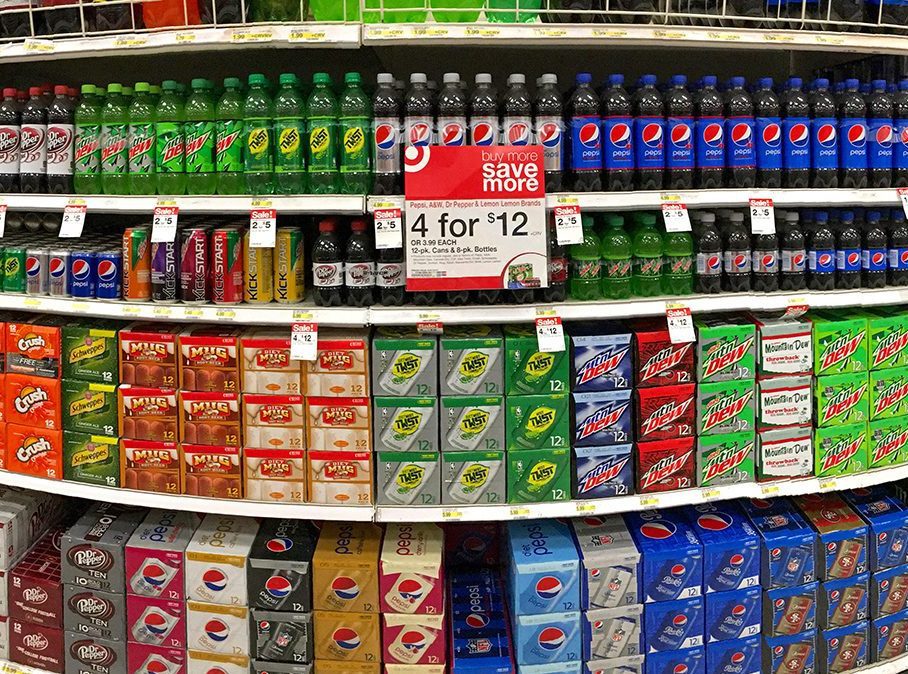
- High-sugar beverages: Non-alcoholic drinks that are sweetened with over 10 grams of sugar per eight fluid ounces.
- Energy drinks: Beverages containing more than six milligrams of caffeine per fluid ounce or exceeding a total of 140 milligrams of caffeine per container. This category also includes drinks with specific stimulants.
- Prepared desserts: Processed, shelf-stable, pre-packaged sweet foods intended for immediate consumption without any preparation.
RELATED

Montana wants to ban ‘junk food’ from SNAP. Experts warn the waiver could backfire.
In late March, Montana joined nearly two dozen states seeking to restrict the types of food low-income families can buy with SNAP benefits. While the implementation of these restrictions is not imminent, experts caution that they may pose challenges for those affected.
After Gianforte’s waiver was submitted to the USDA, researchers indicated that implementing these SNAP waivers would impose costs on grocery stores, that the definitions for excluded foods were unclear, and that such restrictions might not necessarily improve health outcomes for low-income individuals.
“I can see this is going to cause issues before it benefits anybody,” said Iris Sharp, co-director of the Food Access and Sustainability Team (FAST) Blackfeet, a nonprofit dedicated to enhancing food security. Sharp expressed concern regarding the potential unintended consequences of these restrictions.
The state plans to inform retailers and SNAP participants about these upcoming changes by this summer, aiming for full implementation by September 30.
Key Takeaways
- Governor Gianforte announced a ban on soft drinks, junk food, and candy for SNAP purchases.
- The goal of the waiver is to assess the impact of limiting access to nutrient-poor food items in Montana.
- Regulations will be put into effect starting this fall at grocery store point-of-sale locations.
- Candy, high-sugar beverages, energy drinks, and prepared desserts are among the items excluded from purchases.
- Experts have raised concerns about the financial burden on retailers and unclear definitions regarding prohibited items.
- The state aims to communicate changes to retailers and participants by summer with a target implementation by September 30.
FAQ
What is the purpose of the SNAP restrictions?
The aim is to evaluate the effects of limiting purchases of nutrient-poor food items on the health of SNAP households in Montana.
When will the new restrictions go into effect?
The restrictions are expected to be implemented by September 30.
What types of food will be restricted?
Foods such as candy, high-sugar beverages, energy drinks, and prepared desserts will be prohibited from SNAP purchases.
How will this affect grocery stores?
Grocery stores may incur additional costs when implementing these restrictions at the point of sale.
What are the concerns from experts regarding these restrictions?
Experts have expressed worries about the vagueness of food definitions and how these restrictions may not lead to improved health outcomes.