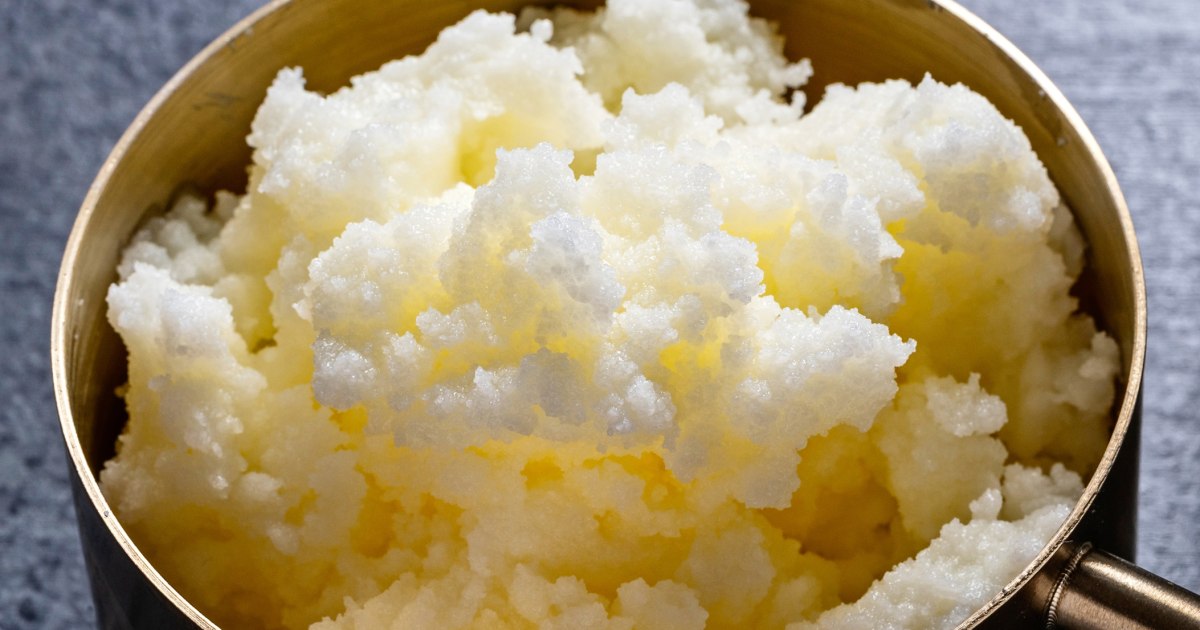
Beef tallow has garnered a loyal following due to claims about its health advantages over seed oils.
It even features in the Dietary Guidelines for Americans, 2025–2030, which offers official dietary recommendations aimed at promoting a healthy lifestyle.
When selecting cooking fats, individuals should prioritize oils rich in essential fatty acids, like olive oil; however, beef tallow can also be a viable option, as highlighted by the latest guidelines.
This rendered fat from beef cattle boasts a high smoke point, making it suitable as a frying oil and for baking. Recently, several restaurants have opted to use beef tallow for frying French fries.
However, this trend has raised concerns among some cardiologists.
Heart Health Tip of the Day: Avoid Beef Tallow
A panel of cardiologists noted that research supporting any health benefits of beef tallow is “lacking” in a review published in The Journal of the American College of Cardiology.
They highlighted “considerable evidence of possible harm” because beef tallow can elevate LDL cholesterol levels—a type that contributes to artery blockages.
The cardiologists collectively stated, “No evidence supports the use of beef tallow as a healthier alternative to seed oils or other plant-based oils that are solid at room temperature,” such as palm, palm kernel, or coconut oils.
On the other hand, seed oils like canola, soybean, sunflower, and corn oil offer cardiometabolic benefits without showing evidence of causing inflammation in human studies, they added.
Why It Matters
Beef tallow consists of around 50% saturated fat, a type that remains solid at room temperature.
The American Heart Association warns that a diet high in saturated fats leads to an increase in LDL cholesterol levels, consequently elevating the risk of heart disease.
Research indicates that LDL levels surged by approximately 9% after consuming a high-fat meal featuring beef tallow, as revealed in a study cited in the cardiologist review.
LDL cholesterol and related substances can create plaque, making coronary arteries stiff and narrow, thereby reducing blood flow.
Dr. Clyde Yancy, chief of cardiology at Northwestern University’s Feinberg School of Medicine, previously stated, “If you obstruct blood flow to a heart, you have a heart attack. If you obstruct blood flow to the brain, you have a stroke,” as shared with NBC News.
The AHA recommends limiting saturated fat intake to no more than 13 grams per day, which equates to just one tablespoon of beef tallow.
It also advises consumers to “limit high-fat animal products including red meat, butter, lard, and tallow.”
While animal fats are rich in nutrients like fat-soluble vitamins and may be healthy in small amounts when consumed occasionally, dietitians have told TODAY.com that a high intake of animal-based fat is linked to increased overall and cardiovascular disease mortality, according to a study conducted in 2024.
How to Get Started
To maintain optimal heart health, experts recommend opting for plant oils instead of tropical oils, such as coconut or palm oil, along with animal fats like beef tallow.
Olive oil is regarded as the healthiest choice for everyday cooking.
Dr. Dariush Mozaffarian, a cardiologist and director of Tufts University’s Food is Medicine Institute, noted that while beef tallow is “probably healthier than ultraprocessed foods high in starch, sugar, and salt, it’s still less healthy than olive oil, soybean oil, canola oil, or fats from nuts or avocados,” as previously stated to NBC News.
TODAY’s Expert Tip of the Day series presents straightforward strategies to simplify daily living. Each weekday, different qualified experts share their insights on diet, fitness, heart health, mental wellness, and more.


