The Patriot missile defense system has been a cornerstone of American military strength for over 40 years. Widely deployed across NATO, the Middle East, and Asia, it has evolved into much more than just a missile battery. The system serves as a battlefield asset, a geopolitical signal, a reassurance tool for allies, and a testament to American technological prowess.
Despite its significant costs in acquisition and maintenance, the Patriot system commands great respect. New batteries continue to be ordered, demonstrating their ongoing relevance. Political leaders often highlight these deployments as evidence of U.S. commitment and advanced defensive capability. During times of regional tension, the request for Patriot installations takes on almost ritual significance, symbolizing a nation’s alignment within the American security framework.
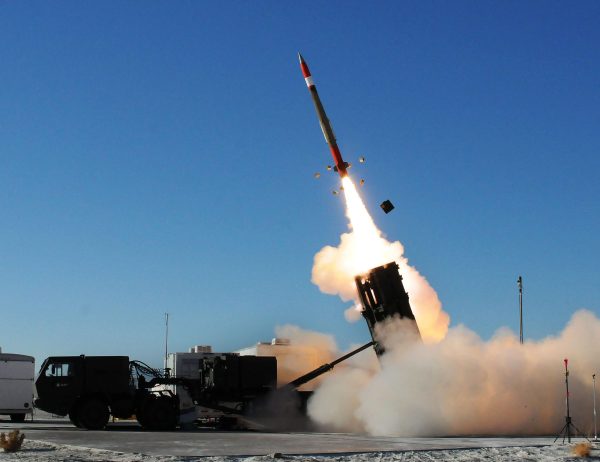
Patriot PAC-3 launch
However, this celebrated status masks a complex reality. Over the past four decades, the Patriot system has struggled to adapt to a rapidly changing threat environment. The nature of missile warfare today has shifted dramatically, favoring concepts like saturation attacks and distributed operations, while the Patriot system is still largely built around centralized radar and costly interceptor models.
The strategic implications are profound. While the Patriot system remains capable and effective in many scenarios, the assumptions underpinning U.S. tactical missile defense are becoming outdated more quickly than the systems themselves. This article explores the evolution of the Patriot missile system and the accompanying tactical and strategic dilemmas it faces.
Cold War Origins
Patriot was developed during the Cold War to replace older American anti-aircraft systems. Its initial mission was fairly straightforward: protect fixed locations and troop formations from hostile aircraft. While subsequent upgrades introduced ballistic missile interception capabilities, the system was fundamentally born from assumptions that differ greatly from those of modern combat.
The initial focus was on countering manned aircraft and limited missile threats in a predictable Cold War context. The U.S. anticipated engaging Soviet forces within a well-defined battlespace that, while challenging, was conceptually manageable.
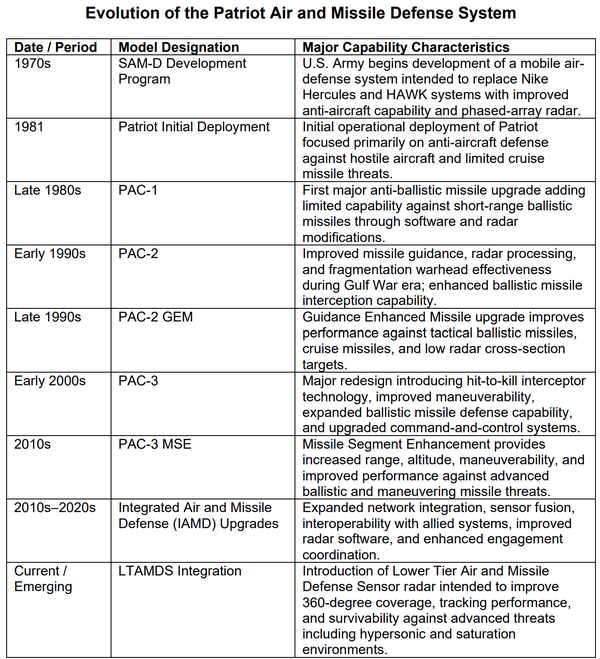
Over time, the Patriot system evolved incrementally through various upgrade phases: PAC-1, PAC-2, and PAC-3 (PAC stands for Patriot Advanced Capability). Improvements included enhanced radar systems, improved interceptor accuracy, and sophisticated networking functionalities. Yet, these upgrades largely represented incremental improvements to a legacy framework rather than a comprehensive redesign of the defense paradigm. In contrast, recent decades have seen the operational landscape evolve rapidly due to disruptive innovations.
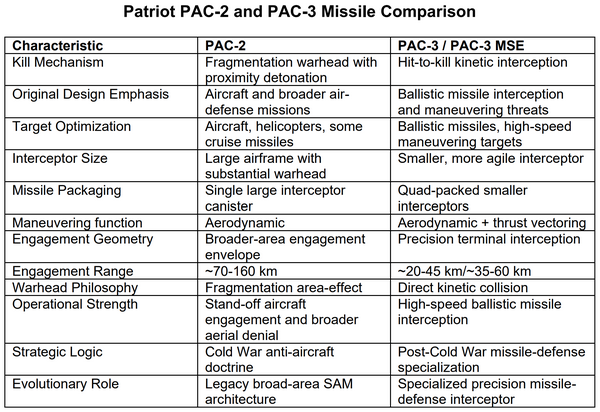
The Patriot Evolutionary Split: PAC-2 and PAC-3
An essential development within the Patriot system has been the divergence between the PAC-2 and PAC-3 interceptor families. These are not simply earlier and later models; they embody distinct philosophies in interception that have evolved within the same defensive framework. The PAC-2 represented the peak of traditional Cold War surface-to-air missile design. It is a larger interceptor equipped with a significant fragmentation warhead capable of destroying targets through proximity detonation.
In contrast, the challenges presented by ballistic missile interception necessitated a new approach. Ballistic targets travel at extremely high speeds and descend steeply, requiring rapid and precise engagement. As a response, the PAC-3 was developed as a smaller missile focused on hit-to-kill interception, achieving target neutralization through direct impact rather than explosive fragmentation.
This innovative design required advanced technology for seeker systems, rapid maneuverability, and precise guidance. As a result, the PAC-3 evolved from a conventional anti-aircraft missile into a specialized interceptor tailored for ballistic threats. Enhancements such as the PAC-3 Advanced Capability-3 Missile Segment Enhancement (PAC-3/MSE) further refined this specialization, expanding its engagement envelope and improving performance against high-speed threats.
This evolutionary split between PAC-2 and PAC-3 led to trade-offs in operational capabilities. While PAC-3 greatly enhances the system’s ability to target ballistic missiles, PAC-2 maintains advantages against slower threats and aircraft, making it relevant in modern air warfare, which often emphasizes stand-off attacks.
The U.S. Air Superiority Assumption
After the Soviet Union’s fall, the United States enjoyed a prolonged period of military dominance, characterized by comprehensive air superiority. American strategy prioritized elements such as stealth, expeditionary operations, and offensive air engagement. This doctrine assumed that the U.S. would maintain control of the skies, preventing large-scale missile saturation from becoming a critical factor.
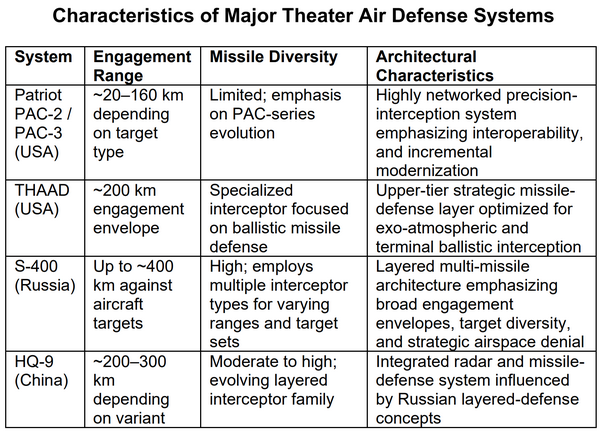
Conversely, nations like Russia and China focused on developing integrated air defense systems, employing anti-access and area-denial tactics, and creating long-range surface-to-air missiles. This doctrinal divergence is noteworthy; while the U.S. considered tactical air defense a subsidiary of offensive capabilities, its competitors regarded air defense as essential for survival.
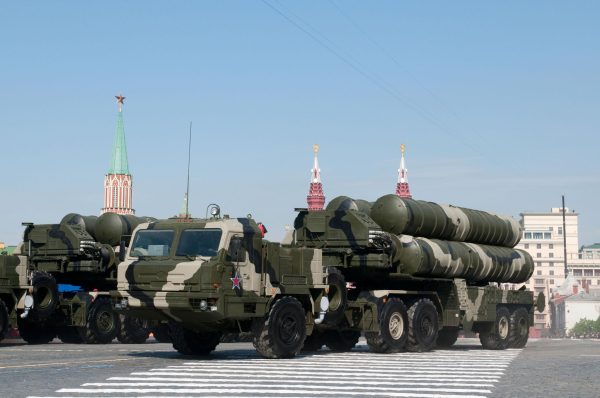
Russian S-400 air defense system
Systems like the Russian S-400 and Chinese HQ-9 embody this contrasting strategic focus. Whether these systems ultimately surpass the Patriot in combat effectiveness may be less significant than the fact that rival powers have evolved their doctrines while the U.S. prioritized offensive capabilities and air supremacy. This difference is critical.
The Arithmetic of Saturation
Modern missile warfare increasingly favors saturation tactics that combine various missile and drone systems. Low-cost drones, maneuvering ballistic missiles, and a multitude of launch platforms enable adversaries to generate attack densities that challenge traditional defense systems reliant on expensive interceptors. This situation creates a significant cost and quantity disadvantage for systems like Patriot, which must consistently succeed to fend off repeated attacks.
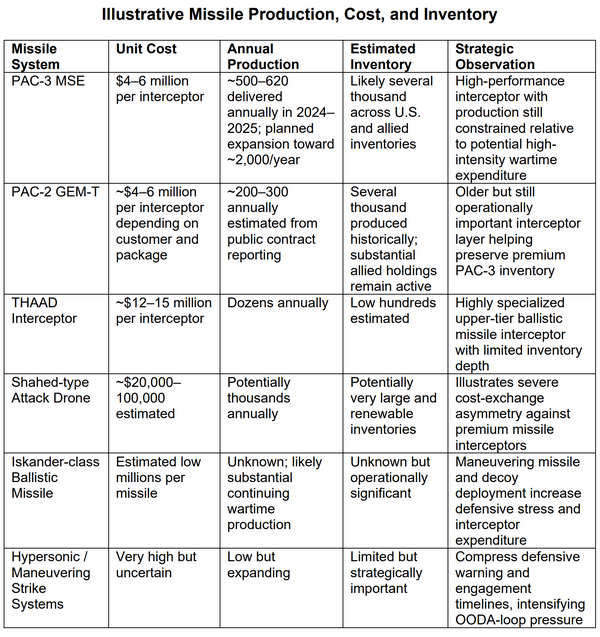
However, cost is not the sole concern. Industrial capacity and the timeline for replenishing interceptors also come into play. High-end interceptors like the PAC-3 MSE are intricate systems that are not easily mass-produced. This means that missile defense has to become as much about inventory management as about interception success. Saturation attacks aim to exhaust defenses, compromise tracking systems, and disrupt command coordination, thereby targeting the overall defensive architecture.
Ukraine, Iran, and the Stress Test of Modern Missile Defense
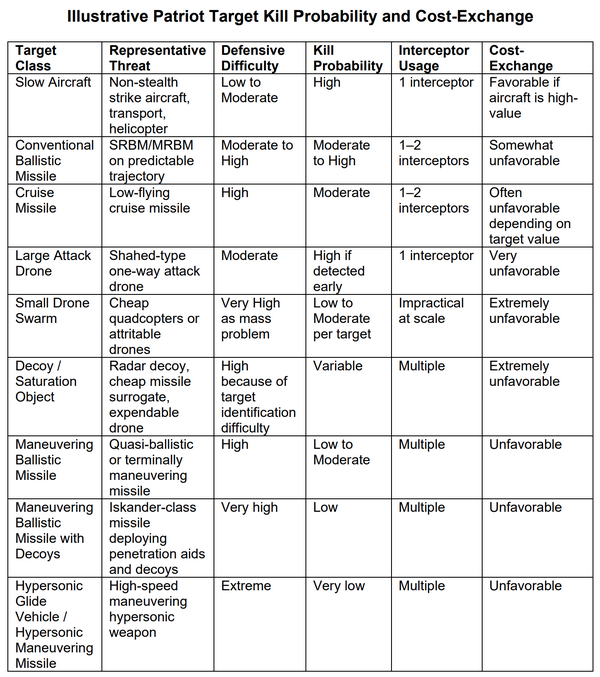
The recent conflicts in Ukraine and the Middle East have presented the first real tests of integrated missile defenses under continuous fire. These situations do not indicate that systems like the Patriot have become obsolete; instead, they expose the structural pressures associated with saturation warfare. Ukrainian Patriot batteries demonstrated robust capabilities against Russian missile assaults, even with some reported failures in interception and damage to installations. Ukrainian officials consistently highlighted the system’s effectiveness in countering Russian threats.
However, the Ukraine conflict also showed how quickly offensive systems can adapt. Russian forces modified their attack strategies, integrating drones with missiles while varying launch times and employing decoys. This adaptability enabled significant damage, reflecting how Patriot systems can be overwhelmed. The war underscored the importance of the industrial aspects of missile defense, as Ukraine’s reliance on external interceptor supplies highlighted how quickly high-intensity conflicts can strain even advanced defensive inventories.
Similarly, the exchanges between Iran and Israel brought to light similar challenges under different operational circumstances. Iran succeeded in launching large-scale salvos of ballistic missiles and drones against well-defended targets. While Israeli and allied systems achieved notable interception ratios, even sophisticated multi-layered defenses faced challenges during sustained attacks. The lack of absolute failure showed that defensive systems are not impervious to prolonged saturation strikes.
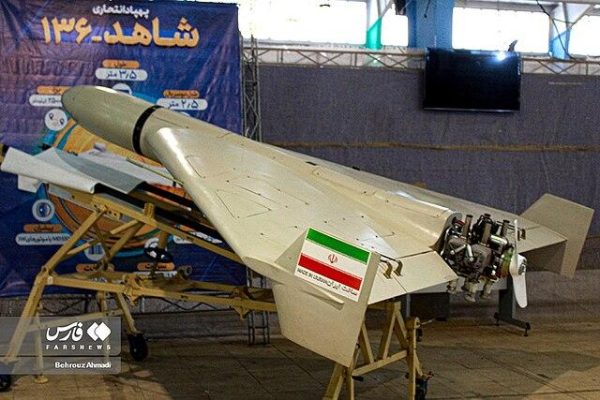
Iranian Shahed drone – cheap and numerous
These conflicts have collectively illustrated that modern missile defense operates within a sensitive attrition environment. Success depends not only on the sophistication of interceptors but also on inventory capacity, production flexibility, sustainability, and the ability to function effectively under extreme time constraints. Most importantly, these wars emphasize that the pace of offensive adaptation may now exceed that of defensive development. Tactics, decoy deployments, and mixed-salvo strategies evolved rapidly in active combat, while defensive systems remained tethered to conventional doctrines and longer modernization cycles. This growing gap poses significant strategic challenges.
The OODA Differential
John Boyd’s OODA loop concept (Observe, Orient, Decide, Act) is often perceived narrowly, focusing on tactical reaction speeds within engagements. However, in modern missile warfare, the more critical competition occurs between engagements over time. The central strategic concern is not so much whether a Patriot battery can swiftly process incoming threats but whether it can keep up with the evolving landscape of offensive and defensive systems.
Recent conflicts have indicated that the speed of offensive adaptations outpaces that of defensive improvements. Attackers can quickly modify their strategies, adjusting the composition, timing, and trajectories of their assaults with low-cost, abundant weaponry. These changes can happen within weeks or even days as attackers test new combinations designed to take advantage of defensive vulnerabilities.
Defensive systems such as the Patriot, in contrast, evolve more slowly due to their reliance on specialized interceptors, static radar systems, and intricate supply chains. Adapting these systems often takes years rather than weeks, creating a widening temporal gap between offensive and defensive capabilities. While attackers benefit from rapid experimentation, defenders remain constrained by procurement delays and modernization timelines.
The wars in Ukraine and the Middle East exemplified this disconnect. Offensive forces were able to continually adapt their tactics in response to observed defensive behaviors, while defensive systems typically adjusted through slower software updates and management approaches. As opposed to a static confrontation between fixed systems, missile defense now resembles a contest of adaptation velocities, where the faster adapting side often gains the strategic edge.
Institutional Inertia vs. Operational Reality
Even with these challenges, the Patriot system enjoys global demand and commercial success. The price tag for a single battery—comprising a radar system, control station, and multiple launchers—averages around $1 billion. The enduring strategic and political significance of the system is evidenced by ongoing procurement. RTX, the manufacturer behind the Patriot system, reportedly generated over $8 billion in sales related to Patriot in 2025. Buyers view the acquisition of Patriot not only as an investment in missile defense but also as a means of securing political alliances, fostering interoperability, and signaling U.S. commitment to their security.
Thus, acquiring Patriot becomes as much a geopolitical decision as a military one, reinforcing tendencies within the defense-industrial complex to prioritize continuity, sustainment, and modernization. This dynamic results in significant industrial dependencies and ongoing political support. However, while the American defense ecosystem centralizes on stability and incremental improvements, the operational environment increasingly favors adaptable, cost-effective, and rapidly iterable solutions. This divergence poses a long-term constraint on U.S. military efficacy.
Conclusion
The question at hand is not whether the Patriot system remains functional; rather, it concerns the sustainability of the strategic assumptions guiding American tactical missile defense amid swiftly evolving technological and operational landscapes. Therefore, the aging of the Patriot system signifies not merely a technical issue, but an institutional and temporal challenge. The U.S. continues to develop defensive architectures predicated on high-cost interceptors and complex production frameworks, while rivals pursue strategies emphasizing scalable production and rapid tactical evolution. The true risk lies not just in the possibility of missiles breaching U.S. defenses but in the alarming prospect that adversaries may outpace U.S. weapon system advancements. In modern missile conflicts, speed of adaptation may prove far more crucial than expenditure on advanced systems. Aging Patriots may fly swiftly, but their pace of evolution could falter.