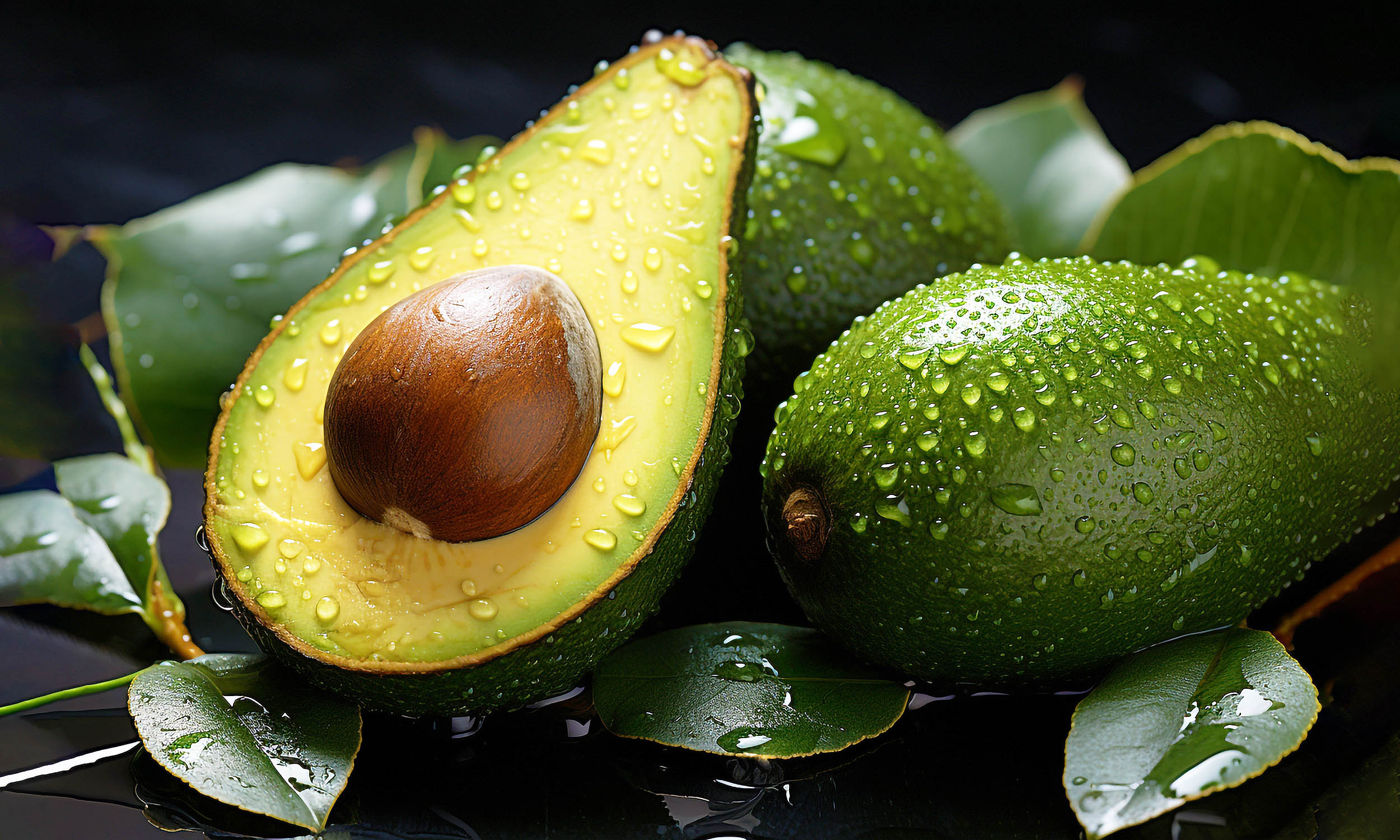
Avocados have rapidly become a beloved ingredient in numerous kitchens, often gracing plates in the form of toast, smoothies, or as the essential element of guacamole at social gatherings.
Indeed, experts suggest that incorporating an avocado into your daily diet may enhance the quality of your nutrition and even add years to your life.

Beyond their delightful flavor and creamy texture, avocados are nutritional powerhouses. They are rich in healthy fats, particularly monounsaturated fat, which is beneficial for cardiovascular health.
Moreover, avocados provide a wealth of vitamins, including K and E, along with several B vitamins and essential minerals like potassium and magnesium.
They are also an excellent source of fiber, promoting digestive health and enhancing feelings of fullness.
But what’s the debate surrounding avocados? How can regular consumption of this fruit improve health and potentially extend lifespan?
Exploring the Avocado Diet
To dive into these questions, Kristina Petersen, an associate professor of nutritional sciences, and Penny Kris-Etherton, a retired professor from Penn State University’s School of Nutritional Sciences, assembled a team to study the potential health advantages of daily avocado intake.
Their findings were recently published in the journal Current Developments in Nutrition.
The aim of the research was to assess whether including just one avocado in a person’s daily diet could meaningfully enhance diet quality.
“Avocados are a nutrient-dense food packed with fiber and essential nutrients. We sought to determine if consistent consumption of this fruit would contribute to better diet quality,” Petersen explained.
She pointed out that earlier observational studies indicated those who consume avocados often maintain a higher diet quality, but they needed to explore if there was a direct causal link.
Study Methodology
Given that only about 2% of American adults regularly eat avocados, the researchers were eager to discover if integrating this fruit into daily meals could elevate diet quality for a larger demographic.
They conducted phone interviews with participants before and during the study to measure dietary intake over the prior 24 hours.
Using the Healthy Eating Index, they evaluated how effectively participants adhered to the Dietary Guidelines for Americans.
The study involved 1,008 participants divided into two groups.
One group maintained their usual eating habits with limited avocado consumption over the course of 26 weeks, while the other group incorporated one avocado into their daily meals.
“Participants who consumed one avocado daily significantly improved their adherence to dietary guidelines,” Petersen reported.
“This indicates that strategies such as consuming an avocado each day can assist individuals in following dietary guidelines and enhancing the quality of their nutrition.”
Unexpected Findings on the Avocado Diet
What caught the researchers off guard was how participants improved their diet quality.
“We discovered that participants were substituting avocados for foods higher in refined grains and sodium,” Petersen shared.
While avocados contributed to increased vegetable intake, individuals were also replacing less healthy options with this nutrient-dense fruit.
Poor diet quality is a significant risk factor for conditions such as heart disease, type 2 diabetes, and kidney disease.
“Enhancing adherence to dietary guidelines could help lower the risk of developing these chronic illnesses and extend healthy life expectancy,” Petersen remarked.
Future Directions
Petersen has also examined other food-based interventions, such as exploring the link between pistachios and diet quality.
She contends that further research is essential to identify additional food strategies that can help individuals meet dietary guidelines.
“In studies like this, we can discover food-based approaches to enhance diet quality, but we also need behavioral strategies to help individuals adhere to these guidelines and reduce chronic disease risk,” she emphasized.
The Broader Impact of Avocados
The story of avocados extends beyond their health benefits, encompassing broader societal issues.
Honor May Eldridge, a food policy expert focused on sustainable agriculture, explores these complexities in her book, The Avocado Debate.
“The avocado signifies much more than just a fruit. It intertwines themes of generational conflict, environmental issues, and social injustice,” Eldridge explained.
“Over the past century, through strategic marketing, it has transitioned into a commodity crop with a significant social media presence.”
Concerns About Avocado Consumption
However, Eldridge’s book does not aim to demonize avocados or their enthusiasts. Instead, it seeks to inform consumers about the often-overlooked consequences of their choices.
“Everything we consume has an effect — both positive and negative. We must become more aware of these ramifications to make informed decisions. We should not vilify the avocado,” she advised.
In recent decades, avocados have evolved from a regional specialty to a global sensation embraced by cafes, restaurants, households, and social media alike.
Eldridge traces the avocado’s journey from indigenous staple to its current esteemed status, examining how colonialism and contemporary marketing transformed this humble fruit into a highly coveted commodity.
Environmental and Social Concerns
She investigates the environmental and social challenges linked to avocado production today. Issues such as excessive water consumption, fertilizers, and pesticides pose serious threats to ecosystems and local communities.
A pressing concern is the growing demand for land, leading to extensive clearances that threaten vital habitats and biodiversity.
Eldridge also addresses equity and sustainability challenges, emphasizing the relationships between avocado production, land disputes, systemic inequalities, and the influence of the Global North on the Global South.
She raises important concerns regarding how extensive export agriculture impacts local communities, particularly in regions facing climate change challenges.
“I aim to encourage readers to acknowledge the complexities of our food system and understand that no food is purely ‘good’ or ‘bad’,” Eldridge stated. “The conversation needs to move beyond simplistic narratives to embrace the intricate reality of our choices.”
Avocados: Nutritional Benefits vs. Environmental Impact
So, what conclusions can we draw about our cherished avocados?
On one side, they can enhance our diet and help us achieve nutritional objectives.
Conversely, their cultivation can carry substantial environmental and social repercussions.
Perhaps the key lies in balance and awareness. By understanding the origins and production methods of our food, we can make choices that benefit our health while being conscious of global implications.
The comprehensive study appears in the journal Current Developments in Nutrition and The Avocado Debate.
—–
If you enjoyed this article, subscribe to our newsletter for captivating articles, exclusive content, and the latest updates.
Check out EarthSnap, a free app created by Eric Ralls and Earth.com.
—–