In the absence of a strategic agreement with Trump, there is a growing concern that Putin could be more inclined to compromise if Trump were to alleviate U.S. pressure on some—though not all—of Russia’s alliances. Over time, this may lead to Russia losing all its partners, potentially impacting its global influence.
The situation became more apparent with the capture of Venezuelan President Nicolas Maduro. It prompted analysis suggesting that “The ‘Trump Doctrine’ Is Shaped By Elbridge Colby’s ‘Strategy Of Denial’,” which posits that the U.S. is now prioritizing the denial of resources to China needed for maintaining its economic ascent. The ultimate goal is to disrupt China’s rise as a superpower, making it more susceptible to an unfavorable trade deal, thus solidifying China’s subordinate position in international relations. This strategy is further explained in recent discussions of the Third Gulf War, which ties back to U.S. objectives in the region here and here.
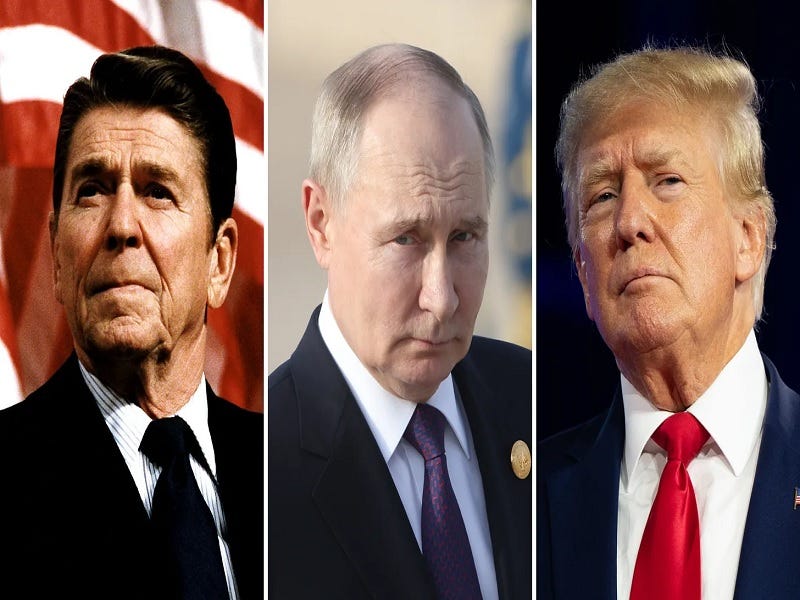
However, the Trump Doctrine appears to echo elements of the Reagan Doctrine when applied to Russia. Unlike China, Russia’s vast natural resource wealth provides it the means to develop autarkically, albeit at the expense of falling behind technologically. The capture of Maduro and the events surrounding the Third Gulf War have had varying impacts on both nations; while China faced resource denial, Russia experienced the loss of a key ally and the weakening of another.
This juxtaposition gets to the heart of the Trump Doctrine’s application regarding Russia. Central to this approach is the concept of “rolling back” Russian influence globally, aiming to coerce Putin into accepting a lopsided deal concerning Ukraine that would further institutionalize Russia’s subordinate status. When Trump suggested freezing the conflict last spring, Putin rejected it, understanding that this proposal failed to address the fundamental security concerns at play, leading to a resolution remaining elusive.
Both Russia and the U.S. still hint at the potential for a mutually advantageous resource-driven strategic partnership, as mentioned here and here. This possibility serves as an incentive for each side to reconsider their uncompromising stances: Russia’s insistence on resolving security issues and the U.S.’s refusal to account for these concerns, as well as its resistance to pressure Ukraine and NATO to do the same. Despite these enticing prospects, neither side has moved toward a compromise.
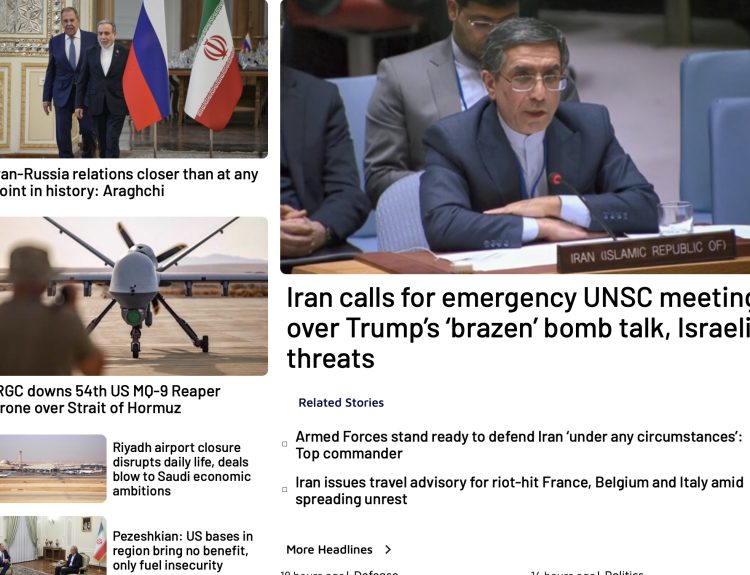
This deadlock led to an evolution in the Trump Doctrine. Putin maneuvered Trump into a cumbersome position, wherein he faced a choice between sustaining the conflict’s intensity, risking a prolonged “forever war,” or escalating tensions, potentially leading to World War III. Trump managed to free himself from this predicament by modernizing Reagan’s rollback strategy. By the time he began to “roll back” Russia’s influence in places like Venezuela and Iran, he had already made significant inroads in Armenia-Azerbaijan, Kazakhstan, and even Belarus.
In Armenia, a peace agreement was reached in Washington to establish a U.S.-controlled trade corridor, designed to serve as a dual military logistics route enabling Western and NATO influence to permeate Russia’s southern perimeter. This encouraged Azerbaijan to enter a critical minerals deal and announce plans for the production of NATO-standard ammunition. In Belarus, discussions with the U.S. are focused on facilitating its drift away from Russia, complicating the strategic context of the ongoing special operation.
The U.S. is actively “rolling back” Russian influence not just in these six countries—Venezuela, Iran, Armenia, Azerbaijan, Kazakhstan, and Belarus—but also in others like Serbia, Cuba, Syria, Libya, and the Sahelian Alliance (including Mali, Burkina Faso, and Niger). Nations like Myanmar and Nicaragua may soon follow. Without a favorable deal for Trump, which could entice Putin to accept reduced U.S. pressure on some—but not all—of these nations, Russia risks losing its support network over time.