Exploring Alternatives to Biotin for Hair Regrowth in Cancer Patients

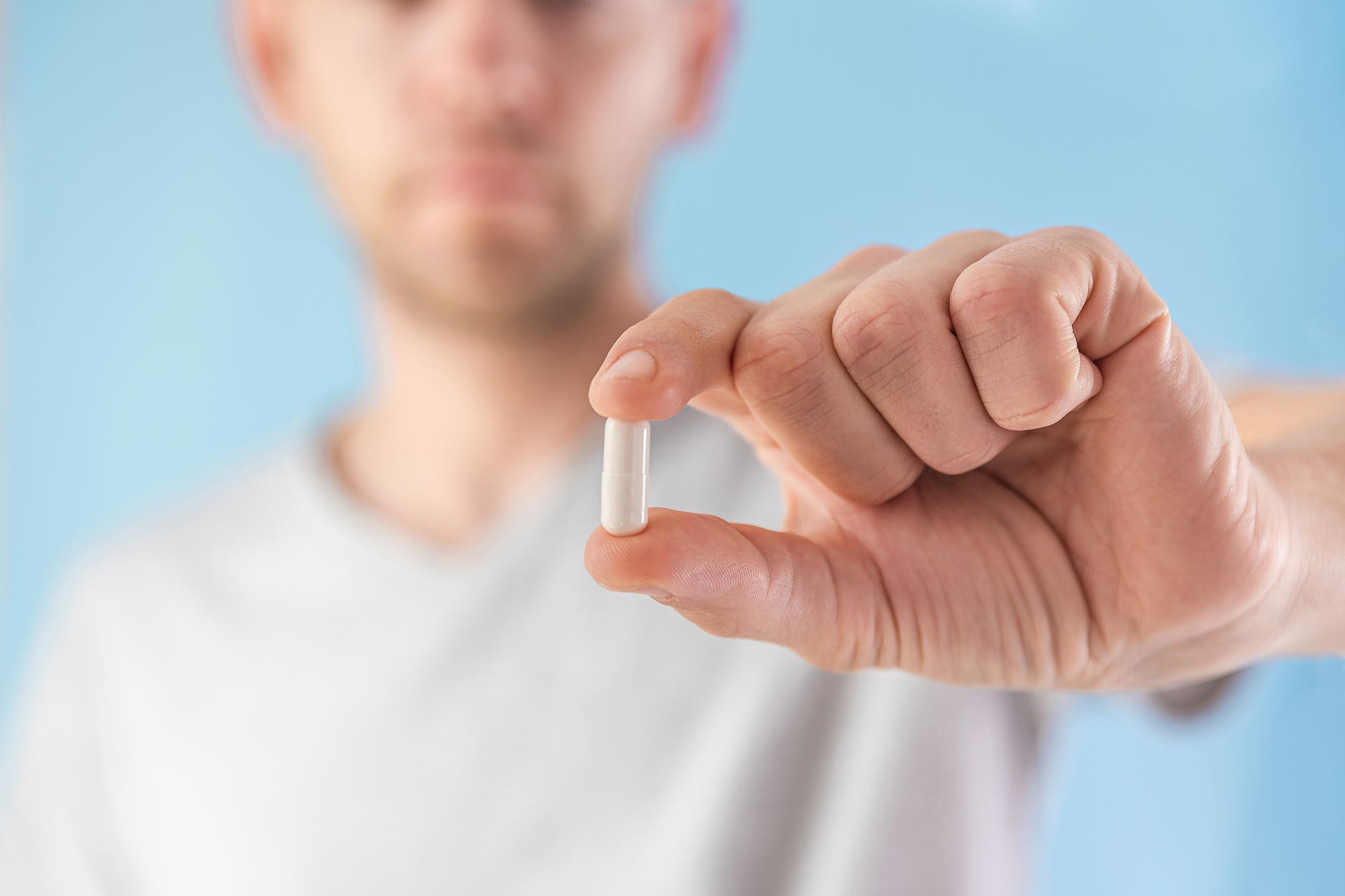
Hair loss is often one of the most distressing consequences of cancer treatment. It impacts patients’ sense of identity and confidence, leading many to search for remedies. One prevalent option is biotin supplements, which are frequently marketed online as a straightforward solution for hair regrowth and stronger nails. However, healthcare professionals caution that relying on these supplements might pose risks.
Dr. Brittany Dulmage, an oncodermatologist at The Ohio State University Comprehensive Cancer Center, emphasizes that there is scant evidence supporting the effectiveness of oral biotin for hair regrowth during or post-cancer treatment. Even more worrying, she points out, is the potential for biotin to interfere with significant laboratory tests.
Biotin, or vitamin B7, helps the body synthesize keratin, a vital protein for hair, skin, and nails. Nevertheless, true biotin deficiencies are uncommon, as the vitamin is readily found in a diverse range of foods, including meats, eggs, dairy products, fruits, and vegetables. Most individuals do not need additional biotin to promote hair growth.
“Many people mistakenly believe that biotin supplements are entirely safe and inconsequential. Unfortunately, they can lead to erroneous lab results, which may delay or alter treatment plans for patients,” Dr. Dulmage stated.
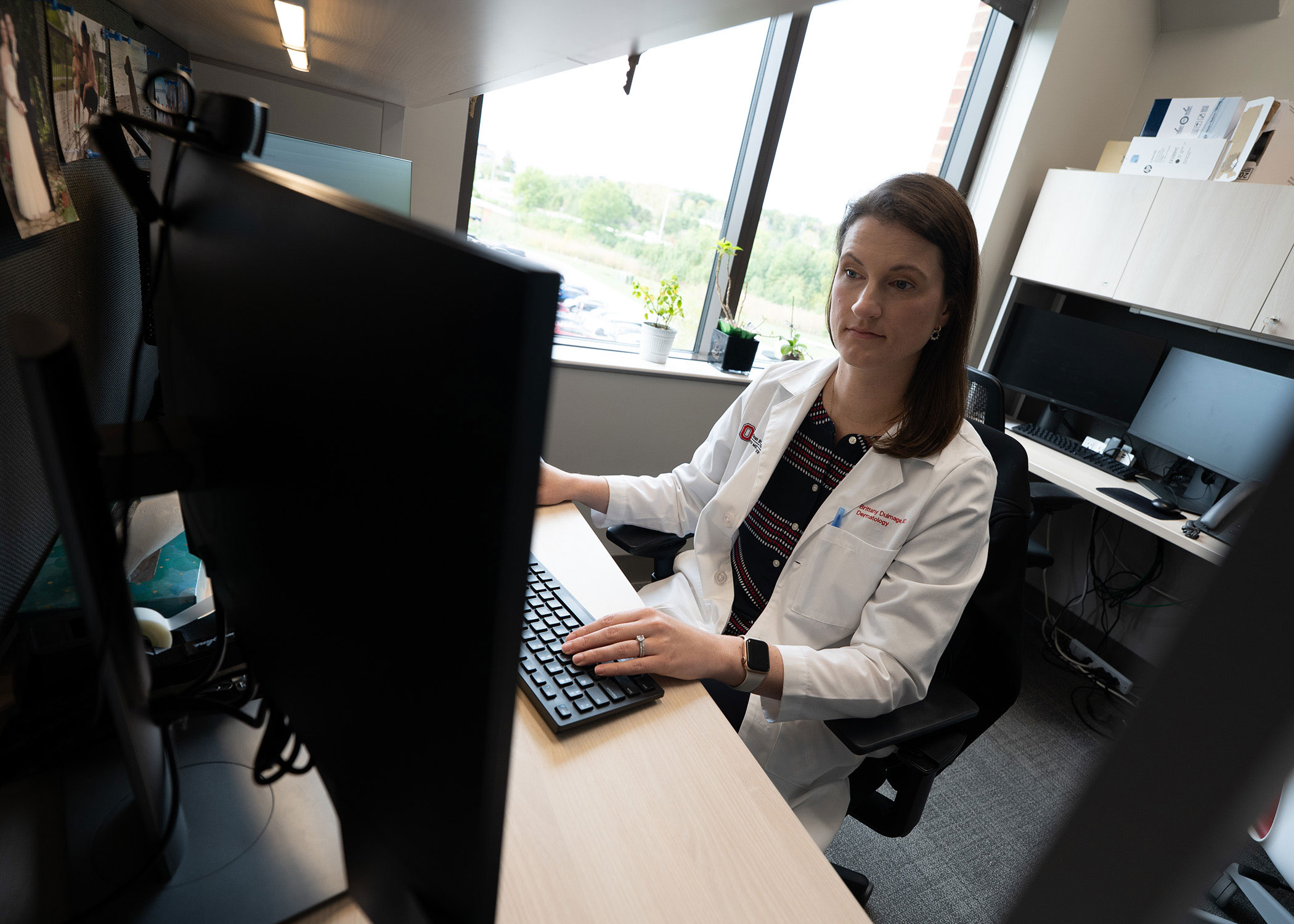
As the associate director of dermatology at The Ohio State University College of Medicine, she heads the Oncodermatology Clinic, specializing in managing side effects related to cancer treatments, such as chemotherapy and immunotherapy.
“Over fifty percent of patients I see for hair loss are taking supplements they began on their own, often influenced by information they found online or even at the recommendation of their physicians,” she added.
Dr. Dulmage is the senior author of a significant study published in JCO Oncology Practice, which highlights the need for oncologists to have open discussions with patients about hair loss and the impact of biotin on diagnostic testing.
Biotin Supplements Can Affect Blood Work Related to Certain Cancers
Biotin has the potential to interfere with blood tests used to monitor various cancers, including prostate, thyroid, ovarian, and breast cancer. Since some of these tests rely on biotin-dependent chemical reactions, supplementing with biotin may lead to erroneous high or low results.

“While biotin does not alter hormone levels, it does interfere with the accuracy of tests designed to measure these levels in the blood,” Dr. Dulmage explained. “For certain hormones, such as the prostate-specific antigen (PSA) or thyroid-stimulating hormone (TSH), it can suppress or lower the measured levels, potentially obscuring evidence of cancer recurrence in survivors. In the case of reproductive hormones like estrogen and testosterone, it may falsely elevate levels, leading to delays in therapy.”
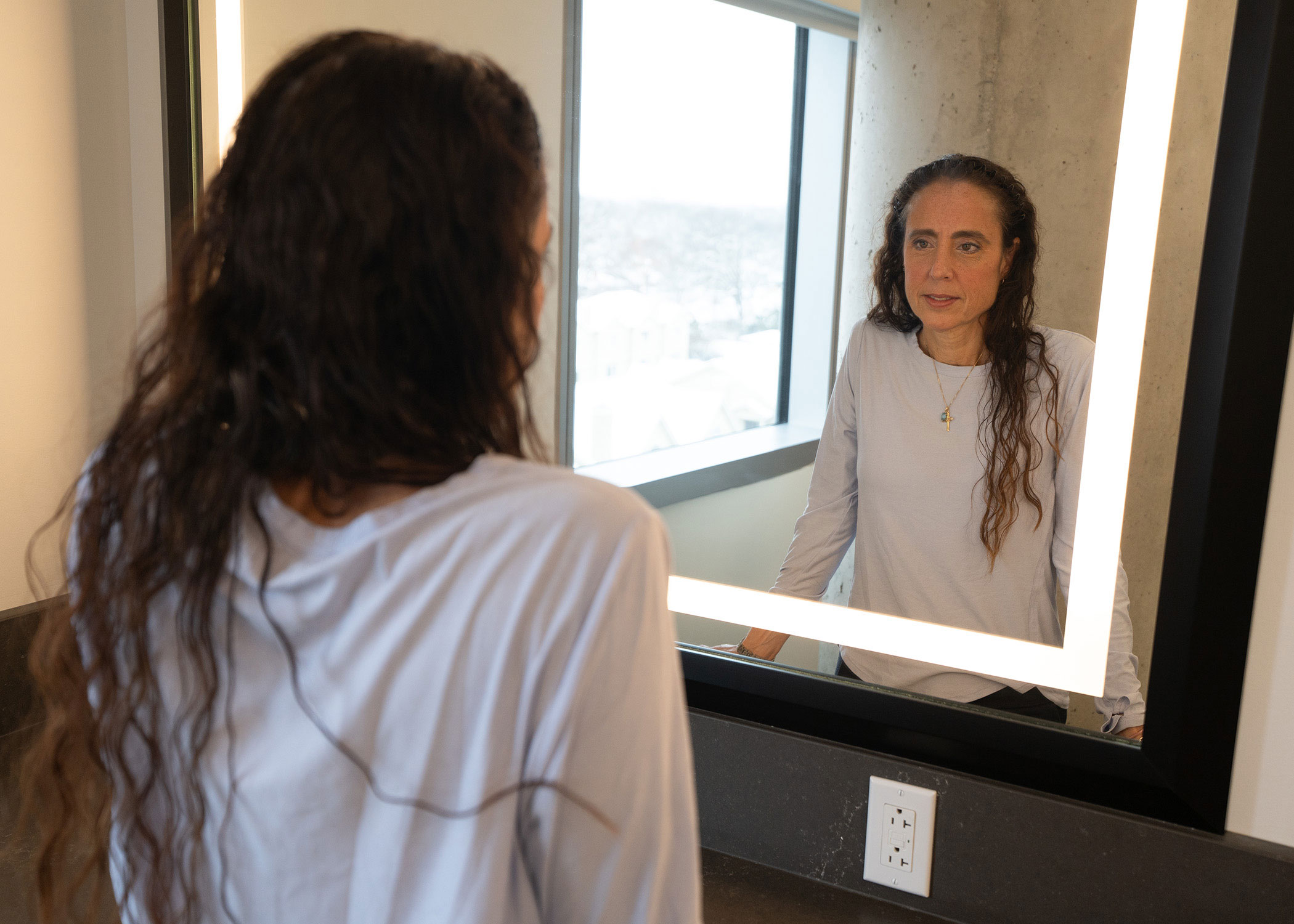
Anna Malagoli, a breast cancer survivor from Columbus, faced this issue while undergoing treatment. Like many, she was anxious about losing her hair.
“Hair is such a huge part of who you are. One of the first concerns is, ‘Will I lose my hair?’ Not everyone adapts well to baldness,” she noted.
After completing her cancer treatment and entering remission, she became focused on restoring her curly locks and began taking biotin supplements based on online advice.
“The Internet presents a plethora of information, which can be misleading. I consumed an excessive amount of biotin without realizing it,” she revealed. “No one warned me that biotin might interfere with my treatments or tests.”
Credit: The Ohio State University Comprehensive Cancer Center
Patient Noticed Inconsistent Lab Results While Taking Biotin
Malagoli became aware of the connection between her biotin consumption and lab results during a consultation with Dr. Dulmage. Upon reflection, she recognized the impact of her supplement use.
“My lab results didn’t make sense and were inconsistent with how I felt, which was a warning sign. I believe it was related to the supplements I had been taking,” she commented.
For those who decide to continue taking biotin, Dr. Dulmage suggests refraining from the supplement at least 72 hours prior to any blood tests.
“The challenge lies in the unpredictability of when blood work is needed, making it hard to stop taking biotin. It can also influence troponin levels, which are crucial for diagnosing heart attacks—something you typically don’t plan for,” she said. “That’s why I caution patients to consider avoiding it altogether, given that very few truly require biotin supplementation.”
FDA-Approved Minoxidil: A Safer and Effective Alternative
Dr. Dulmage recommends minoxidil as a safer replacement for biotin supplements in managing hair loss. It is effective and generally safe for use, except in pregnant or breastfeeding individuals. Over-the-counter minoxidil is FDA-approved and comes in topical forms, such as lotions and foams.
“If you’ve been using minoxidil for several months without seeing any improvement or wish to explore other solutions, consulting a dermatologist is advisable since various treatments may be available,” she noted.
Malagoli has tried both options and found minoxidil to be more beneficial over time.
“I’m not sure whether my body just doesn’t absorb the supplements effectively, but minoxidil has been significantly more effective for me in the long run,” she added. “Listening to your medical professionals and not relying solely on online guidance is crucial.”
Reference: “Biotin Supplements for Hair and Nail Regrowth: A Caution for Oncologists” by Layna Mager, Olivia Ueltschi, Lucy Rose, Brittany Dulmage, 15 September 2025, JCO Oncology Practice.
DOI: 10.1200/OP-25-00693
Stay updated on breakthroughs: Join the SciTechDaily newsletter.
Follow us on Google and Google News.