This article discusses recent developments related to the ongoing tensions between the U.S. and Iran, particularly amidst changing strategies and increasing pressures on both nations. As the situation evolves, the implications extend beyond military operations, impacting global markets and geopolitical relationships.
After various media reports indicated that Trump viewed aggressive military action against Iran as too risky, preferring to maintain the blockade, current indications suggest he is shifting back to a more assertive stance. The perceived threat from Iran, particularly its potential to challenge the blockade, has not received adequate attention. More details will be forthcoming.
According to a recent report from the BBC, oil prices surged to their highest levels since 2022 after news that Trump would receive a briefing from the U.S. military regarding new options for potential action in the conflict with Iran:
Oil prices reached the highest levels since 2022, following reports that U.S. military officials were preparing plans for a series of “short and powerful” strikes on Iran aimed at breaking the current deadlock in negotiations. The BBC has reached out to U.S. Central Command and the White House for commentary.
Brent crude gained almost 7%, exceeding $126 (£94) a barrel briefly, which marks the peak since the onset of Russia’s full-scale invasion of Ukraine. It later adjusted to around $116 during European trading.
In the UK, average petrol prices hit 157p per liter, up 24p from pre-war levels, while diesel prices surged to nearly 189p—an increase of 46p.
However, the implications extend beyond fuel costs; the UK government has warned that citizens could face higher prices for energy, food, and air travel due to the ongoing conflict.
Notably, the UK’s acknowledgment of the broader economic ramifications stemming from the closure of the Strait of Hormuz signifies the global impact of the situation.
Bloomberg also highlighted the ongoing standoff between the U.S. and Iran, noting the following key points:
- The U.S. and Iran appear stuck in a stalemate, with Trump asserting that the naval blockade is effective.
- U.S. military leaders are preparing to present Trump with new strategies for Iran, including plans for limited strikes aimed at breaking the negotiating impasse.
- Trump has indicated that the blockade’s impact is “somewhat more effective than bombing,” asserting it is essential for “choking” Iran’s oil exports.
Brent oil prices reached wartime highs as traders anticipated a prolonged closure of the Strait of Hormuz, coupled with fears of a potential breakdown in the fragile U.S.-Iran ceasefire established since April 7. Prices surged by 7.1%, briefly exceeding $126 per barrel before settling at $121.40.
It’s important to note that both Bloomberg’s and Axios’s reports stem from the same underlying sources. The briefing by CENTCOM appears to have been planned in advance, indicating a thorough analysis of the situation. Professor Mohammed Marandi has suggested that Iran anticipates another U.S. attack, likely to occur soon as temperatures in the Gulf rise, complicating ground operations.
Reuters has reported that there are divisions within the administration regarding how to proceed, as this assessment indicates:

As detailed in the article:
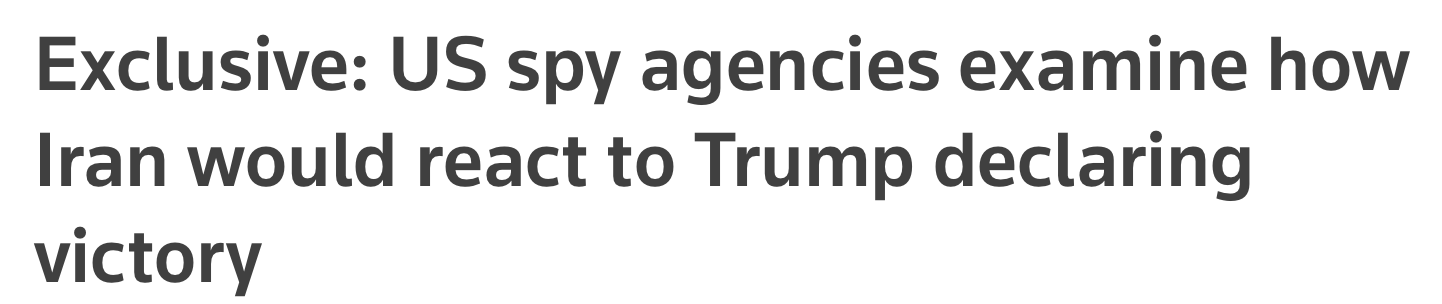
U.S. intelligence agencies are currently assessing how Iran might respond if Trump were to declare a unilateral victory in the ongoing conflict, which has already resulted in significant casualties and political complications for the White House, according to various officials. The intelligence community is analyzing this scenario at the request of senior administration officials, as understanding the potential ramifications of Trump’s withdrawal from the conflict could mitigate political pressure, especially with upcoming midterm elections.
No decisions have been reached yet, but a swift de-escalation could relieve pressure, albeit potentially empowering Iran to advance its nuclear and missile endeavors.
Recent assessments suggested that if Trump declared victory and U.S. forces withdrew, Iran might view this as a triumph. Conversely, maintaining a heavy military presence could be seen as a negotiation tactic without resolving the conflict.
While the CIA and the Office of the Director of National Intelligence declined to comment on the situation, the CIA’s denial seems particularly telling given the robust pro-Israel stance of CIA Chief John Ratcliffe.
Some in Washington appear to comprehend the necessity of exploring non-escalatory solutions, indicating recognition that a withdrawal may be less damaging than anticipated. Trump seems to lean towards upholding the U.S. blockade of the Strait of Hormuz, hoping Iran will surrender without incurring further damage to its oil facilities.
This is a flawed assumption. Iran has demonstrated resilience, managing to maintain pressure on its oil fields even under sanctions. As noted by Bloomberg, Iran has successfully navigated similar challenges before:
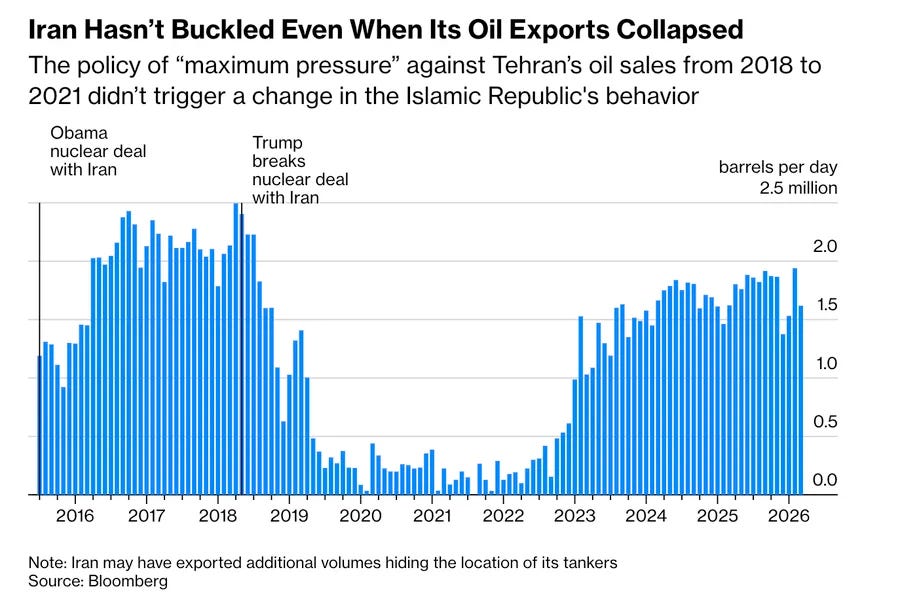
Iran appears capable of managing to withstand the U.S. blockade, as shown by its significant adjustment in oil export routes, including newly established trade paths to China and Russia.
Nevertheless, tolerance for the blockade is not synonymous with a strategic advantage for Iran. The nation may consider military options against the U.S. Navy sooner rather than later, potentially disrupting CENTCOM’s planned operations.
Additionally, the ongoing military discord might not sufficiently penalize the U.S. for its actions, which include seizing vessels crucial for humanitarian missions.
The U.S. has detained a ship carrying medical equipment, including dialysis supplies, along with 22 crew members.
Moreover, Iran’s capacity to withstand the blockade could compel the U.S. to endure considerable economic consequences, potentially forcing the administration to reconsider its military involvement.
Finally, the humanitarian ramifications of a prolonged conflict, particularly the food shortages faced by vulnerable populations, weigh heavily on Iran’s conscience.
Although some analyses suggest the effectiveness of the U.S. blockade might be overstated, many shipping operators remain unwilling to take risks associated with cargoes transiting this volatile region. As a result, Iran is likely to observe a cautious approach from global shipping organizations, causing delays in normal trade operations.
On the geopolitical front, a recent visit by Iran’s Foreign Minister to Russia resulted in a meeting with President Putin, during which Putin extended his support for Iran and emphasized the importance of diplomatic negotiations:
During a recent phone call, Putin expressed his solidarity with the U.S. President amid conflicts affecting global tensions, noting specifically the necessity of extending the ceasefire with Iran to facilitate ongoing negotiations.
Furthermore, Putin highlighted that any resumption of military actions would yield detrimental consequences for not only Iran and its neighbors but for the broader international community.
On a related note, economic ramifications continue to mount:
Japan Airlines announced that it would double its jet fuel surcharge to $350 for flights to North America and Europe, with South Korean airlines following suit.
In Europe, banks are exhibiting increased caution regarding lending, while they rapidly accumulate government bonds to safeguard themselves from potential economic upheaval.
As the situation continues to unfold, the ongoing discussions surrounding U.S. actions towards Iran will undoubtedly pose challenges for leadership and diplomatic relations moving forward.
In summary, the ongoing tensions between the U.S. and Iran remain precarious, with various economic and geopolitical implications. As leaders in Washington grapple with diverse perspectives on how to proceed, the situation continues to evolve. The interplay of diplomatic negotiations and military strategies will play a crucial role in shaping the future of the region.
Thank you for reading. Stay tuned for more updates.
_____
1 Speculatively, it’s worth considering that reports have surfaced regarding Trump’s requests for nuclear options against Iran, met with flat refusals from military leadership.
2 The press has focused primarily on potential bombing campaigns, yet the presence of special forces further complicates the strategic landscape.
3 Iran has diversified its routes for crude oil, potentially allowing it to maintain commerce even amid U.S. pressures.
4 As Iran seeks to maintain its position, its leaders may view continued U.S. aggression as a key agitator.
5 Signs of rising tension within the U.S. indicate that prolonged conflict could prove economically unsustainable, necessitating a shift in strategy.
6 Shipowners appear to prioritize their cargo’s safety over profitability, complicating the challenge of navigating the Strait of Hormuz.
7 Operational, logistical challenges may further complicate the efficient movement of vessels in the region.
8 There may remain uncertainties regarding Russia’s evolving relationship with Iran amidst current tensions.


