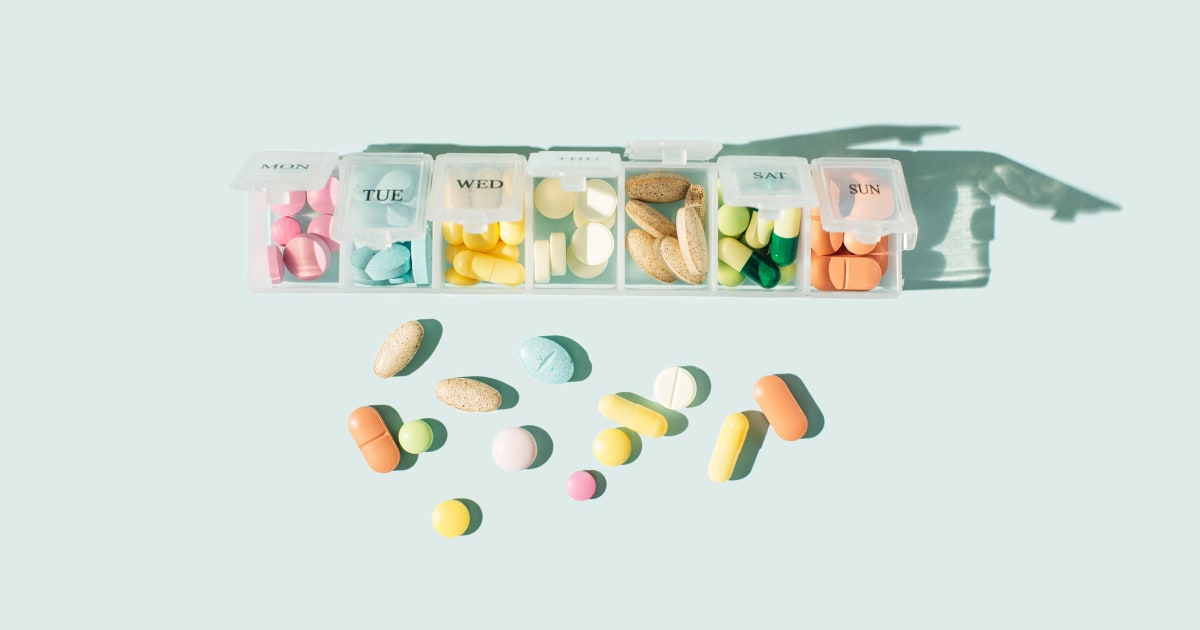
Dietary supplements have surged in popularity, solidifying their role in the contemporary wellness landscape. For many individuals, taking a variety of vitamins, minerals, and herbs has become a daily ritual.
According to the U.S. Food and Drug Administration, around 75% of Americans incorporate at least one supplement into their routines.
Despite the absence of strong evidence supporting the efficacy of high-dose vitamins and minerals for healthy individuals, the multibillion-dollar supplement industry continues to flourish.
The National Institutes of Health indicates that dietary supplements are not designed to prevent, treat, or cure illnesses. Their primary purpose is to complement the diet, filling nutritional gaps and addressing deficiencies.
Nonetheless, many people view them as a more “natural” alternative to medications. However, “natural” does not necessarily equate to safe; some popular supplements can pose significant health risks.
Dr. Pieter Cohen, an associate professor at Harvard Medical School, emphasizes that “Supplements can have important impacts on the body, so they should be taken carefully and thoughtfully.”
Cohen, who heads the supplement research program at Cambridge Health Alliance, warns that many vitamins and minerals may interact with medications or each other. The FDA’s less strict regulation of supplements compared to drugs often leads to safety and quality concerns.
For these reasons, many experts advocate for prioritizing food over supplements.
Dr. Zachary Mulvihill, an integrative medicine physician at Weill Cornell Medicine and NewYork-Presbyterian, states, “I’m not a big fan of people blindly supplementing with lots of vitamins or minerals without testing or good reason.”
If you opt for supplements, it is crucial to consider their interactions.
Supplement Combinations To Avoid
While it may seem convenient to take all your supplements simultaneously, not all vitamins and minerals interact well, especially at the high doses often found in supplements.
Combining certain nutrients can affect their absorption or metabolism, potentially diminishing their effectiveness.
“A supplement can bind to another you’re taking, making absorption difficult or incomplete. Sometimes, they compete for the same receptors,” explains Cohen.
When this happens, the nutrients can cancel each other out — wasting both money and potential health benefits.
Such interactions are not uncommon; if you take a multivitamin along with high-dose supplements for hair, immunity, and bone health, “you may end up taking excessive doses due to redundancies,” Mulvihill cautions.
This highlights the importance of caution, ensuring proper dosages and checking for potential interactions.
Here are seven popular supplement combinations to avoid:
Calcium and Iron
Calcium is vital for building and maintaining strong bones and teeth, with healthy adults requiring 1,000-1,200 milligrams daily, as stated by the NIH.
“Calcium supplementation is generally reserved for individuals with osteopenia or osteoporosis,” notes Mulvihill, as these conditions can increase fracture risk.
Yet, calcium supplements are widely marketed for general bone health and often included in multivitamins, especially for women over 50.
Iron, necessary for red blood cell formation and oxygen transport, is required in smaller quantities (8–18 milligrams daily). Nonetheless, deficiencies remain prevalent in the U.S., leading to frequent prescriptions for iron tablets, according to Mulvihill.
When calcium and iron are taken together, they compete for the same absorption pathways in the gut, as Cohen highlights.
“They block each other, but iron typically loses. Calcium can significantly reduce iron absorption,” states Mulvihill.
If you’re consuming iron for a deficiency, “it’s crucial to absorb it well,” Mulvihill warns. Even in the absence of a deficiency, it’s advisable to avoid this combination.
“What’s the use of a supplement if it won’t be absorbed?” Cohen questions.
To avoid this interaction, take iron and calcium at least two hours apart, ideally four. Iron should be taken on an empty stomach, making it suitable for morning consumption before breakfast.
Calcium and Magnesium
Magnesium is another essential mineral, with adults needing around 300–420 milligrams daily.
Magnesium is crucial for energy production, muscle function, nerve signaling, and blood pressure regulation, as previously reported on TODAY.com.
Often marketed for sleep, muscle relaxation, or anxiety management, magnesium supplements sometimes come alongside calcium in bone health products. However, these two minerals do not interact positively in high-dose individual supplements.
Both magnesium and calcium contribute to bone and heart health, but taking them together can hinder absorption and reduce effectiveness.
Aim to space these minerals several hours apart. “Magnesium is often recommended before bed to enhance sleep, so taking it in the evening is advisable,” suggests Mulvihill.
Calcium and Zinc
Calcium doesn’t synergize well with zinc, another widely used supplement. Zinc, a trace mineral, plays a crucial role in immune health, with a recommended daily intake of 8–12 milligrams, according to the NIH.
When taken simultaneously in high doses, calcium and zinc can interfere with each other’s absorption, as Cohen explains. “They block one another’s absorption, so it’s counterproductive,” adds Mulvihill.
Although zinc deficiencies are uncommon, it is frequently consumed in the U.S., especially in “immune support” pills, powders, and even energy beverages. “Since the pandemic, many individuals have turned to zinc supplementation,” Mulvihill notes.
To avoid this interaction, take zinc on an empty stomach before meals and at least a few hours apart from other minerals.
Zinc and Copper
Zinc also interferes with the absorption of copper, a trace mineral vital for energy production, iron metabolism, and neurotransmitter synthesis, as highlighted by the NIH. Adults need approximately 900 micrograms of copper daily.
When taken together, zinc and copper not only compete for absorption but high zinc intake over time can deplete the body’s copper reserves, according to Mulvihill.
“I’ve only encountered copper deficiencies in individuals who have excessively supplemented with zinc for extended periods,” Mulvihill observes.
Always ensure you’re taking zinc and copper at least two hours apart.
Zinc and Iron
When consumed together, zinc can inhibit iron absorption due to their shared intestinal pathways, as noted by Mulvihill.
For optimal benefits, it’s essential to space these two supplements at least four hours apart.
While sufficient zinc intake is important for immune function, experts caution against long-term reliance on high doses due to potential interactions.
“In general, we should have a strong reason to take any mineral in significant amounts,” Mulvihill concludes.
Vitamin C and Vitamin B12
Vitamin C serves as a powerful antioxidant, protecting cells from damage by free radicals. It is known for its role in collagen production, healing wounds, and bolstering immune function, as noted by the NIH.
Vitamin B12 supports nervous system health, DNA synthesis, and cognitive function.
Supplementation of B12 is common among vegetarians, vegans, and those experiencing absorption issues, according to Mulvihill. Meanwhile, Vitamin C is favored for immune support and skin health.
Though both vitamins are water-soluble, high doses may lead to interference within the body.
“Vitamin C can theoretically lead to the breakdown of B12,” Mulvihill explains. Laboratory studies indicate that excessive vitamin C may destroy B12 before it can be absorbed effectively. Although further human research is needed, it’s prudent to avoid taking these two supplements concurrently or to space them several hours apart.
B vitamins can be taken any time of day, with or without food, while vitamin C is best taken on an empty stomach.
Vitamin E and Vitamin K
Vitamin E is a fat-soluble vitamin that combats inflammation, bolsters immune function, and promotes healthy skin. Fat-soluble vitamins are stored within the body’s tissues and organs.
Similarly, vitamin K is fat-soluble and essential for normal blood clotting, protein synthesis, and maintaining bone strength.
While adequate intake of both vitamins is essential for health, excessive amounts can result in adverse interactions.
“These two vitamins can potentially negate each other,” warns Mulvihill. Excessive vitamin E may act as a blood thinner, directly opposing the effects of vitamin K and increasing bleeding risk.
Deficiencies in vitamins E and K are rare, making it unlikely for anyone to require high doses of both supplements, Mulvihill adds.
Exercise caution when using fat-soluble vitamins (A, D, E, or K) because they can accumulate to toxic levels in the body.
The Bottom Line: Be Careful
Always consult your doctor before starting any new supplements, especially if you are on medication.
In addition to assessing potential interactions, a physician can identify deficiencies and offer guidance on appropriate dosages and schedules.
It’s equally important to “do your research” prior to purchasing supplements, Cohen advises.
Keep in mind that labels may not accurately reflect content. The responsibility lies with manufacturers — not the FDA — to ensure supplements are safe and correctly labeled, which does not always occur, as Cohen points out.
Consequently, supplements might contain much higher or lower levels of active ingredients than indicated. “Consumers should rely on reputable third-party certification programs like the USP or NSF,” suggests Cohen.
Ultimately, supplements should complement, not replace, a nutritious, balanced diet.


