Understanding AI Literacy in Education
The ability to navigate the world of artificial intelligence (AI) is increasingly recognized as an essential skill for job-seeking graduates. Today’s students are among the first to integrate AI throughout their educational journeys. According to Jenny Nash, who leads education impact at LEGO Education, this does not imply that young children should start interacting with chatbots immediately.
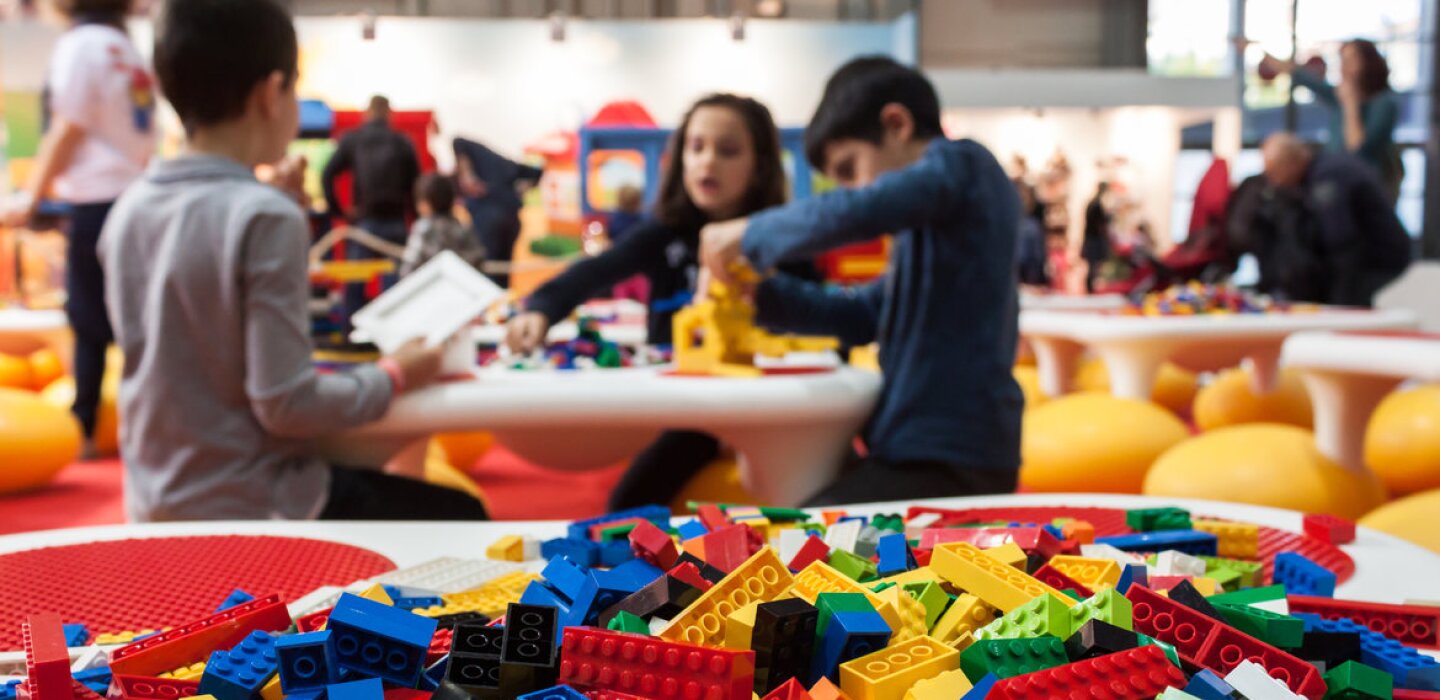
Instead, Nash emphasizes the usefulness of hands-on learning tools, such as LEGO bricks, to introduce foundational concepts of model building. This tactile experience lays the groundwork to comprehend more complex systems like large language models.
“Should we rush kindergarteners onto computers? Probably not,” Nash stated during the recent 2026 ASU+GSV Summit, hosted by the Center for Digital Education. “We believe in reducing screen time in favor of interactive, playful learning to foster curiosity and essential skills.”
For older students, particularly in middle school, the focus shifts toward developing the soft skills essential for AI-driven careers. While students can begin to engage with screens for learning purposes, working collaboratively remains crucial. This group dynamic not only teaches teamwork but also exposes students to diverse perspectives, equipping them to address real-world challenges with technology.
“We encourage a wide range of responses during discussions, which fosters creativity and leads to more innovative solutions,” Nash added.