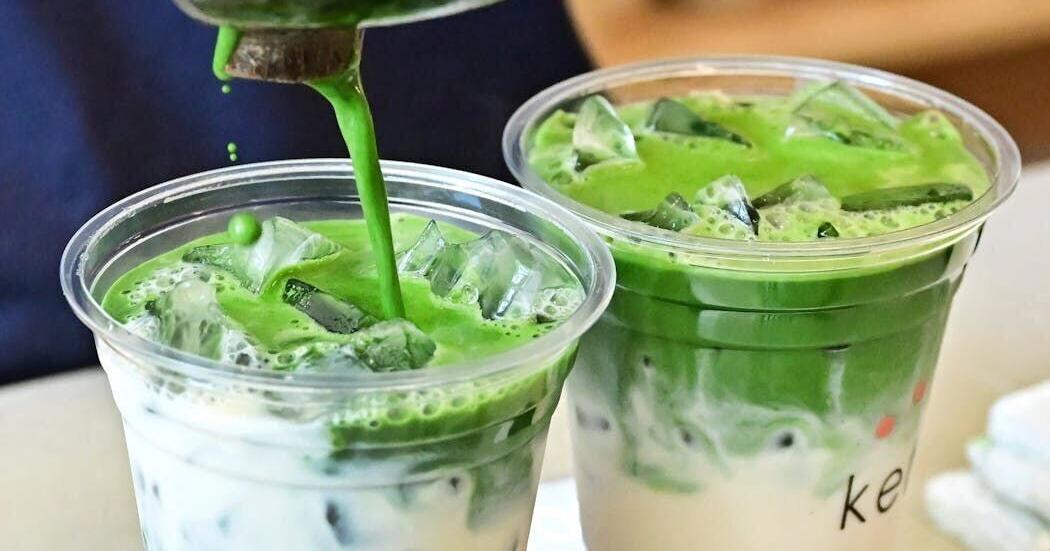
(LOS ANGELES) The global fascination with matcha shows no signs of abating, with demand surging and disrupting supply chains. As noted by Australia’s ABC News in July 2025, matcha enthusiasts are flocking to cafes around the world, eager to enjoy this vibrant green tea in its many forms.
In Tokyo, for instance, popular spots like The Matcha Tokyo draw long lines of customers every Saturday. The cafe’s dedication to the traditional preparation method, known as “chanoyu,” is evident through the use of cast-iron kettles and bamboo ladles, creating an authentic experience for tea lovers.
With matcha cafes popping up in cities like Stockholm, Melbourne, and Los Angeles, this green tea has become a staple on menus at chains like Starbucks since 2019 and Dunkin’ since 2020. This surge has been surprising, especially since matcha was once met with skepticism in Western cultures.
World’s fairs serve as a stage
My research as a Japan Foundation Fellow at Waseda University in 2024 focused on how matcha and the chanoyu tea ceremony were experienced by Westerners during the Meiji period, a time of intense modernization between 1868 and 1912.
Matcha, a powdered green tea made from young tea leaves ground with a stone mill, is prepared differently than traditional tea. Instead of steeping the leaves and removing them, the matcha powder is whisked directly into hot water.
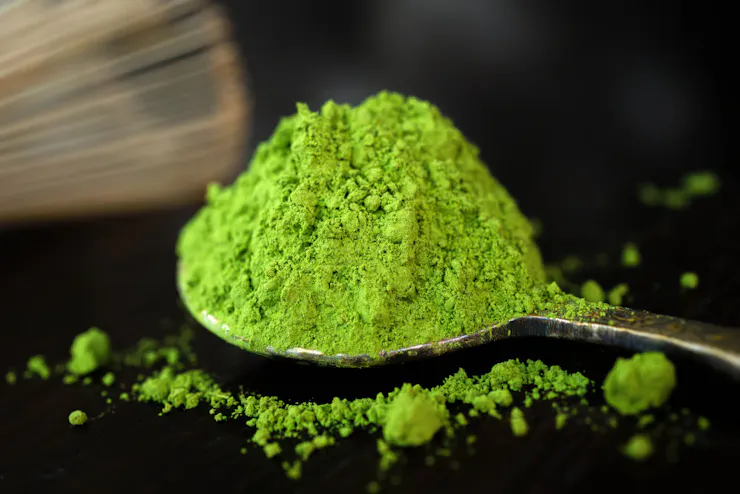
Originating in China, matcha was introduced to Japan around 1250 C.E., where it became integral to chanoyu in the 1500s. While early Portuguese Jesuit missionaries documented both matcha and chanoyu, interest outside Japan didn’t truly accelerate until the 19th century.
During the late 19th century, world’s fairs and expositions became popular in European and American cities, providing a platform for nations to showcase their cultures. Japan took full advantage of these events, providing chanoyu demonstrations and promoting various types of Japanese green tea, including matcha.
Initial skepticism
While steeped Japanese green tea gained popularity in 19th-century America—often enjoyed with milk and sugar—matcha did not resonate with Western tastes initially.
Eliza Ruhamah Scidmore, an American journalist, described matcha in her 1891 book “Jinrikisha Days in Japan” as “a bowl of green gruel more bitter than quinine.” Another traveler, Katharine Schuyler Baxter, remarked in her 1895 book “In Beautiful Japan: A Story of Bamboo Lands” that the beverage, thick and pea-soup-like, was not particularly enjoyable. The term “pea soup” was a common descriptor for matcha at that time.
Historical articles frequently discussed matcha and chanoyu. Canadian journalist Helen E. Gregory-Flesher noted that most Europeans struggled with matcha’s strong flavor, particularly a thick version known as “koicha,” which she described as unpleasant.
In 1904, Countess Anna de Montaigu, writing for the St. Louis Globe Democrat, found matcha’s flavor “exquisite,” yet cautioned her readers: “Drunk without sugar or cream, this expensive tea … is not pleasant to the palate of the uninitiated.”
Embracing the ceremony
Though few, some Westerners studied chanoyu during their time in Japan. Although records do not indicate their views on matcha, their dedication to the practice suggests they found enjoyment in it. Chanoyu is more than a simple service; it encompasses a variety of ways to serve and receive matcha and is taught through formal lessons, leading to a comprehensive understanding of the tea culture.
Lessons involve both hosting and attending formal tea gatherings, known as “chaji,” which can last several hours and typically include a multicourse meal—known as “kaiseki”—and rounds of sake, along with the meticulous preparation of matcha.
Servings of matcha include one thick preparation—koicha—and a thinner version called “usucha,” both served with accompanying sweets.
A notable figure, Swedish writer Ida Trotzig, lived in Japan from 1888 to 1921, where she studied chanoyu and later published a book in 1911 on the subject—“Cha-no-yu Japanernas teceremoni.” Additionally, American Mary Averil also explored both chanoyu and ikebana, the Japanese art of flower arrangement.
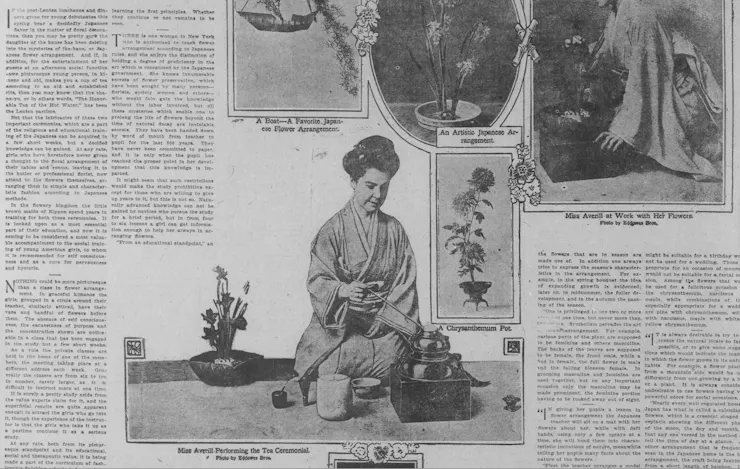
In 1905, the Urasenke School of Tea in Kyoto welcomed three American sisters, Helen, Grace, and Florence Scottfield, who became students there. Their journey was documented in an issue of the school’s magazine in 1908, featuring a photograph of them in kimono.
Matcha minus chanoyu
While scholars have not reached a consensus on the factors driving the recent boom of matcha, several considerations stand out. Social media platforms like Instagram and TikTok have played a substantial role, as the visually appealing bright green beverage has become a staple in viral trends. Additionally, claims surrounding its health benefits have contributed to its popularity, situating matcha alongside other viral superfoods, such as acai and kombucha.
The Western tendency to romanticize Japanese culture as a source of “ancient wisdom” has fueled a growing interest in traditional Japanese practices, including matcha. Furthermore, there is a clear attraction to the minimalist aesthetic associated with chanoyu, which reflects in various other Japanese art forms such as dry rock gardening and calligraphy.
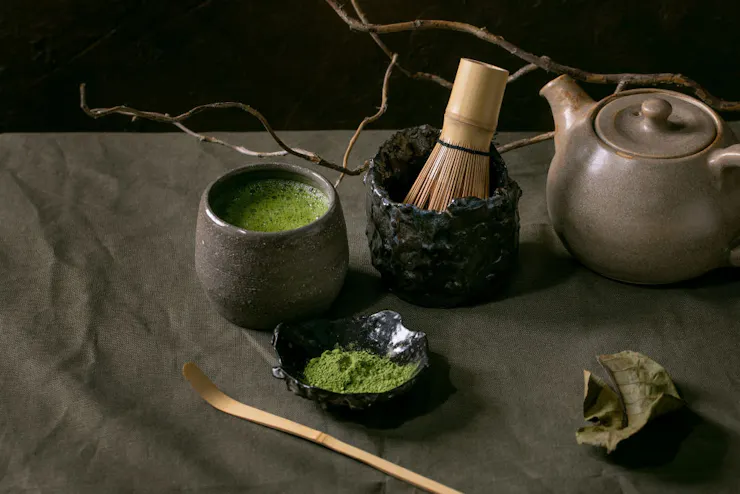
Interestingly, many current matcha enthusiasts do not engage with chanoyu, despite its influences on matcha presentations. In contrast to late 19th-century customs where matcha was served without additives, today’s consumers enjoy various preparations, prompting a reevaluation of taste preferences.
One wonders what Countess de Montaigu might order today if she visited Pipers Tea and Coffee, often cited as serving the best matcha in St. Louis. Would she opt for it straight or might she find delight in its flavored offerings, like the In Bloom Latte topped with cherry blossom cold foam?
Key Takeaways
- Matcha’s popularity continues to surge globally, influencing cafes and culture.
- Chanoyu, the traditional Japanese tea ceremony, plays a significant role in matcha’s history.
- Initial Western reactions to matcha were often skeptical, viewing it as unpalatable.
- Modern-day matcha aficionados often enjoy various preparations away from traditional practices.
- Social media significantly contributes to the beverage’s popularity, promoting its aesthetic appeal.
FAQ
What is matcha?
Matcha is a finely ground powder made from specially cultivated green tea leaves.
How is matcha traditionally prepared?
Matcha is whisked with hot water to create a frothy beverage, distinct from steeped tea.
What is the significance of chanoyu?
Chanoyu refers to the traditional Japanese tea ceremony, enriching the cultural experience around matcha.
Why is matcha popular today?
Matcha’s visual appeal and associated health benefits have contributed to its recent popularity, especially on social media.
This article provides a glimpse into the fascinating history and modern-day popularity of matcha, an emblem of cultural exchange and culinary enjoyment.