After dedicating three years to exploring the intricacies of sleep, I’ve finally embraced the rising popularity of magnesium and its touted benefits for enhancing deep sleep. However, I ponder whether it surpasses sleep-enhancing glycine in effectiveness.
Magnesium gained traction largely due to the viral phenomenon known as the sleepy girl mocktail. Personally, I incorporate magnesium patches and gummies into my nightly routine to enhance my deep sleep. Upon reviewing the ingredients, I discovered that my gummies also contain glycine, marketed for its ability to “support relaxation.”
Key Takeaways: Glycine vs. Magnesium at a Glance
- Both magnesium and glycine are proven supplements that can enhance sleep quality and reduce the time it takes to fall asleep.
- There is more substantial evidence suggesting that magnesium improves deep sleep duration, though individual results may vary based on existing magnesium levels.
- While there’s limited direct evidence to confirm that glycine specifically enhances deep sleep, it might be more effective than magnesium for facilitating quicker sleep onset and diminishing morning sluggishness.
- For optimal sleep quality, both supplements should ideally be taken about an hour before bedtime. Magnesium can be ingested with food to minimize digestive issues, while glycine is more effective when consumed in powder form mixed with water.
How Does Glycine Improve Sleep?

The gummies I consume in the evening are designed to encourage relaxation and foster a “balanced sense of well-being.” Their primary active ingredient? Glycine. But what exactly is glycine, and can it genuinely assist in better sleep?
“Glycine is an amino acid, a fundamental component of protein that also influences brain function,” clarifies Dr. Sarah Jamison, a board-certified physician and health expert with the Vitamin Shoppe’s Wellness Council.
Dr. Raj Dasgupta, also a board-certified physician, notes that glycine’s effects have been documented to enhance perceived sleep quality and “next-day alertness.”
“It is effective for sleep as it may promote a decrease in core body temperature and help cultivate a calmer state within the central nervous system, conditions that favor sleep initiation,” he explains.
How Does Magnesium Improve Sleep?

Magnesium has established itself as a prominent sleep aid, and I personally incorporate magnesium supplements in the form of gummies and sleep patches into my nightly rituals.
Both Dr. Jamison and Dr. Dasgupta affirm that the effectiveness of magnesium for promoting sleep is well-supported by scientific evidence.
“Magnesium is an essential mineral that aids in regulating the brain’s natural chemicals responsible for sleep,” Dr. Jamison explains.
“Studies have linked elevated magnesium levels to improved sleep quality, extended sleep duration, and expedited sleep onset,” she adds.
Dr. Dasgupta highlights magnesium’s significant role in stress regulation, with a 2020 review indicating that magnesium helps stabilize our nervous systems.
“It is often used to promote sleep due to its calming effects on the nervous system, which can alleviate physical tension and reduce nighttime awakenings,” he tells me.
Magnesium vs. Glycine: Which is Better for Deep Sleep?
Before diving into the advantages and disadvantages of glycine and magnesium, it’s crucial to acknowledge that further research is necessary concerning their impacts on deep sleep.
“Neither supplement provides a definitive and substantial increase in slow-wave sleep in a clinically significant manner,” cautions Dr. Dasgupta.
Nevertheless, both glycine and magnesium exhibit potential in promoting deep sleep. Below is an analysis of their respective pros and cons.
Glycine: Pros and Cons
Although he acknowledges that the supporting evidence is “very limited,” Dr. Raj Dasgupta posits that glycine may possess a “slight advantage” based on existing research.
“Glycine appears to have more direct backing in enhancing sleep quality and speeding up sleep onset, with some studies indicating marginal improvements in perceived sleep depth,” he adds.
In contrast, Dr. Jamison states that while glycine hasn’t been definitively shown to boost deep sleep, it does assist in falling asleep and enhancing overall sleep quality.
“If your difficulty lies in falling asleep or in feeling groggy the following day, glycine may be the more beneficial option,” she recommends.
Magnesium: Pros and Cons
Dr. Jamison ranks magnesium higher, asserting that if the aim is to attain deeper sleep, magnesium is “superior.”
“Focusing specifically on deep sleep, magnesium has more substantial evidence showing it can extend deep sleep duration and enhance overall sleep quality.”
Conversely, Dr. Dasgupta notes that while magnesium has been proven to improve sleep indirectly in magnesium-deficient individuals, research has indicated that it will not significantly enhance sleep for those with adequate magnesium levels.
“For those who are deficient, correcting magnesium levels can notably improve sleep quality, but the effects on those with normal levels are often more subtle.”
How to Take Magnesium for Sleep
While my preferred forms of magnesium are gummies and patches, these are only a couple of the myriad options available.
Magnesium comes in various forms: tablets, capsules, powders, topical solutions, sprays, and even hot chocolate.
Nonetheless, Dr. Dasgupta emphasizes that the choice of magnesium type is more critical than the method of dosage.
Magnesium supplements generally fall under three categories: magnesium glycinate, citrate, oxide, and threonate.
“For sleep, magnesium glycinate is typically favored due to its superior absorption and gentler effects on the stomach, while citrate can also be effective but may lead to laxative effects,” he cautions.

In terms of timing, Dr. Dasgupta suggests taking magnesium in the evening alongside a snack, noting that “people tolerate it best” with food or at bedtime.
Dr. Jamison concurs, suggesting that if used for sleep, magnesium should typically be consumed about an hour before bedtime.
Regarding dosage, Dr. Jamison emphasizes the importance of consulting with a healthcare professional prior to starting magnesium.
“It’s advisable to discuss with your doctor to determine the right dosing for you, especially since magnesium dosing can vary widely,” she advises.
How to Take Glycine for Sleep
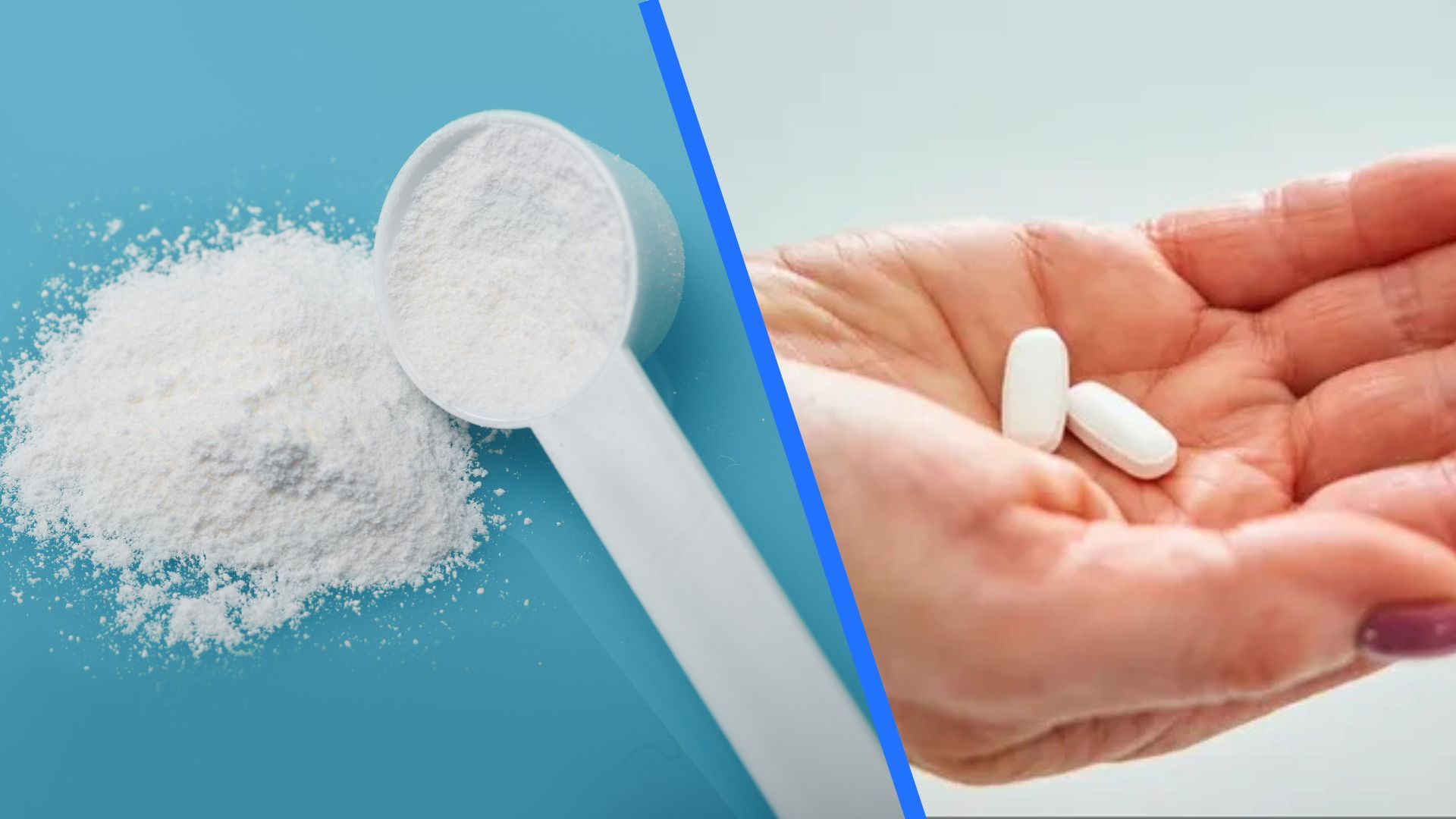
Glycine is available in various forms, including powders, capsules, and the gummies I take, though Dr. Dasgupta recommends selecting a form based on dosage efficiency.
“Glycine is most frequently available in powder or capsule form, with powder being favored due to the higher doses required for effective sleep,” he states.
“Capsules offer convenience but may necessitate taking multiple pills to reach an effective dose,” he adds.

Nonetheless, Dr. Jamison emphasizes that the appropriate dosage and form may differ among individuals, even though the standard recommendation for healthy adults is about 3g of glycine.
“Given that everyone has unique medical histories and needs, consulting with your healthcare provider about the best mode and dosage is advisable,” she counsels.
Both doctors concur that taking glycine about an hour prior to bedtime is optimal for achieving desired effects.
“It is generally recommended to mix glycine with water approximately 30 to 60 minutes before sleep,” Dr. Dasgupta advises.
Ultimately, regardless of the choice I make between magnesium and glycine, both appear to be excellent additions to my nighttime routine.