Introduction
The U.S. Army is striving to enhance the physical readiness of its soldiers with the introduction of the Army Combat Field Test (CFT). This new assessment aims to establish more rigorous, gender-neutral fitness standards for combat roles. With a focus on functional strength and endurance, this test represents a significant shift in how the military measures physical fitness. In this article, we’ll delve into the components of the new test, its implications, and offer practical fitness advice applicable to everyone, regardless of experience level.
Understanding the Army Combat Field Test
The Army Combat Field Test is designed to evaluate soldiers’ physical preparedness more accurately, particularly in combat scenarios. This test will complement the existing Army Fitness Test and is mandatory for combat arms soldiers starting in April 2027.
Test Components
The CFT consists of several challenging tasks that must be completed within a 30-minute timeframe:
-
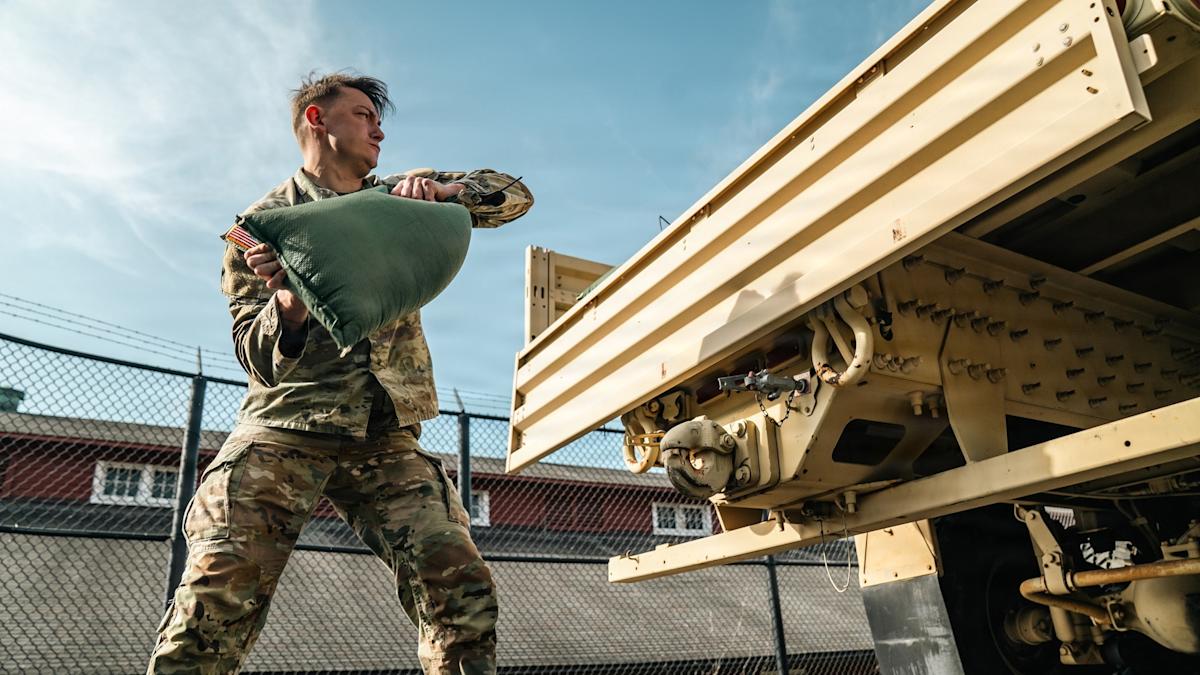
Sandbag Lifts: Participants will need to perform 16 lifts of a 40-pound sandbag onto a platform that stands 65 inches tall.
-
Water Can Carry: Soldiers will carry two five-gallon Army water cans, each weighing 40 pounds, over a distance of 50 meters.
-
Movement Drill: This includes a 50-meter drill that comprises a 25-meter high crawl followed by a swift 25-meter rush, lasting three to five seconds.
These tasks mirror the physical challenges associated with the Army’s expert badge tests, which assess not only fitness but also proficiency in various combat tasks.
Evolution of Physical Fitness Standards
The introduction of the CFT comes after nearly 15 years of reassessing how fitness is measured in the military. Lessons learned from operations in Iraq and Afghanistan highlighted the inadequacies of the older standards, which focused largely on traditional exercises like running, push-ups, and sit-ups. Such activities did not sufficiently prepare soldiers for the physical demands of modern combat, which often involves navigating rugged terrain while carrying heavy loads.
Practical Fitness Advice for Everyone
While the CFT is specific to soldiers, its emphasis on functional strength and endurance can serve as a good model for anyone looking to improve their fitness. Here are some practical tips based on the CFT components:
-
Incorporate Strength Training: Focus on exercises that enhance overall strength, such as squats, deadlifts, and overhead presses. Consider adding weighted carries into your routine to mimic the water can carry.
-
Use Functional Movements: Training with movements that mimic real-life activities (like lifting, carrying, and crawling) can improve your overall strength and agility. Try incorporating kettlebell or sandbag workouts into your training.
-
Interval Training: To boost your speed and stamina, include high-intensity interval training (HIIT) in your regimen. This can involve short bursts of sprinting followed by rest periods, akin to the rapid movements required in military drills.
-
Flexibility and Mobility Work: Activities such as yoga or dynamic stretching can enhance flexibility and improve movement efficiency, which is essential for high-intensity tasks.
-
Nutrition Matters: A balanced diet rich in whole foods will support your fitness goals. Ensure you’re consuming adequate protein, healthy fats, and plenty of fruits and vegetables to fuel both your workouts and recovery.
Conclusion
The Army Combat Field Test symbolizes a vital shift toward recognizing the complex physical demands faced by soldiers in modern combat. This new focus on functional fitness can inspire not only military personnel but also civilians seeking to improve their own health and fitness levels. By integrating the lessons learned from the CFT into your workout routine, you can enhance your physical readiness, functionality, and overall well-being, regardless of your fitness background. Embrace the principles of strength, endurance, and resilience to empower your fitness journey.