Carrot Top Hospitalized After Alleged Suicide Attempt
Updated Sept. 19, 2026
Carrot Top, the well-known comedian whose real name is Scott Christopher Thompson, is recovering in a Las Vegas hospital following an alleged suicide attempt on Sept. 18.
Background
The comedian, aged 61, was reportedly taken to a local hospital where he is currently receiving care. His representative, Jami Schlicher, has not confirmed the details of the situation but stated, “Mr. Thompson is recovering in the hospital and is receiving the care and support he needs.” He also underscored the family’s gratitude for the public’s concern and requests for privacy.
Current Health Status
According to further reports from local outlets, the reasons for Carrot Top’s hospitalization remain undisclosed. Images obtained by TMZ have shown police presence outside his home shortly after the incident.
Performance Status
Carrot Top was expected to continue his comedy residency at the Luxor Hotel and Casino, which he has been headlining since 2005, over the weekend. However, those performances have been canceled, with the next show currently scheduled for Monday, Sept. 21.
Previous Work & Public Recognition
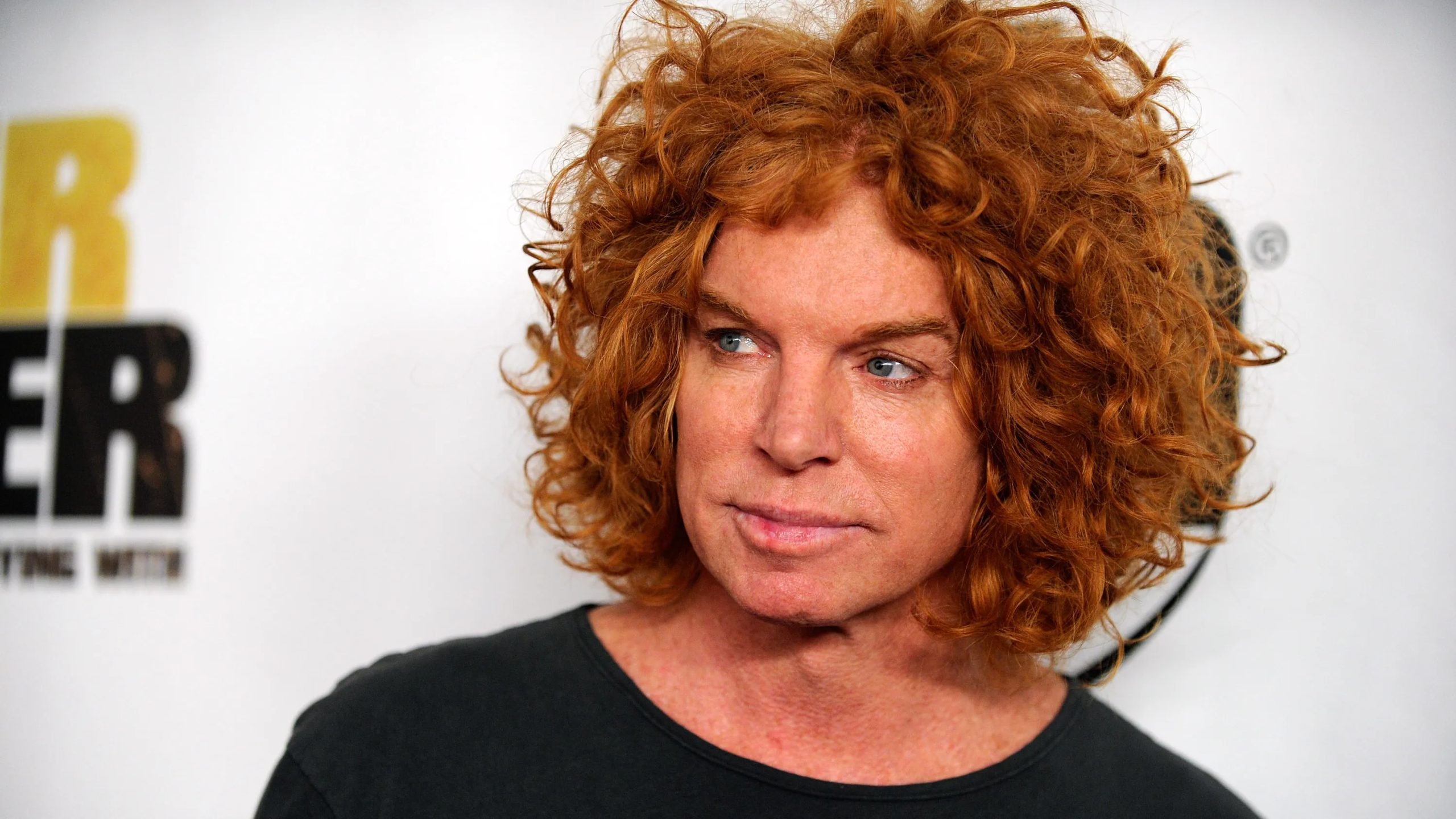
Carrot Top is famed for his trademark wild, curly red hair and prop-based humor, often incorporating various visual gags into his performances. Beyond stand-up, he has made appearances in popular projects such as “Scrubs” and “Reno 911!” Many may also recognize him from his AT&T 1-800-CALL-ATT commercials from the ’90s.
Financial Profile
As of now, Carrot Top’s estimated net worth stands at $70 million, a testament to his successful career in comedy.
If you or someone you know may be experiencing a mental health crisis, please contact the 988 Suicide & Crisis Lifeline by dialing or texting “988.”